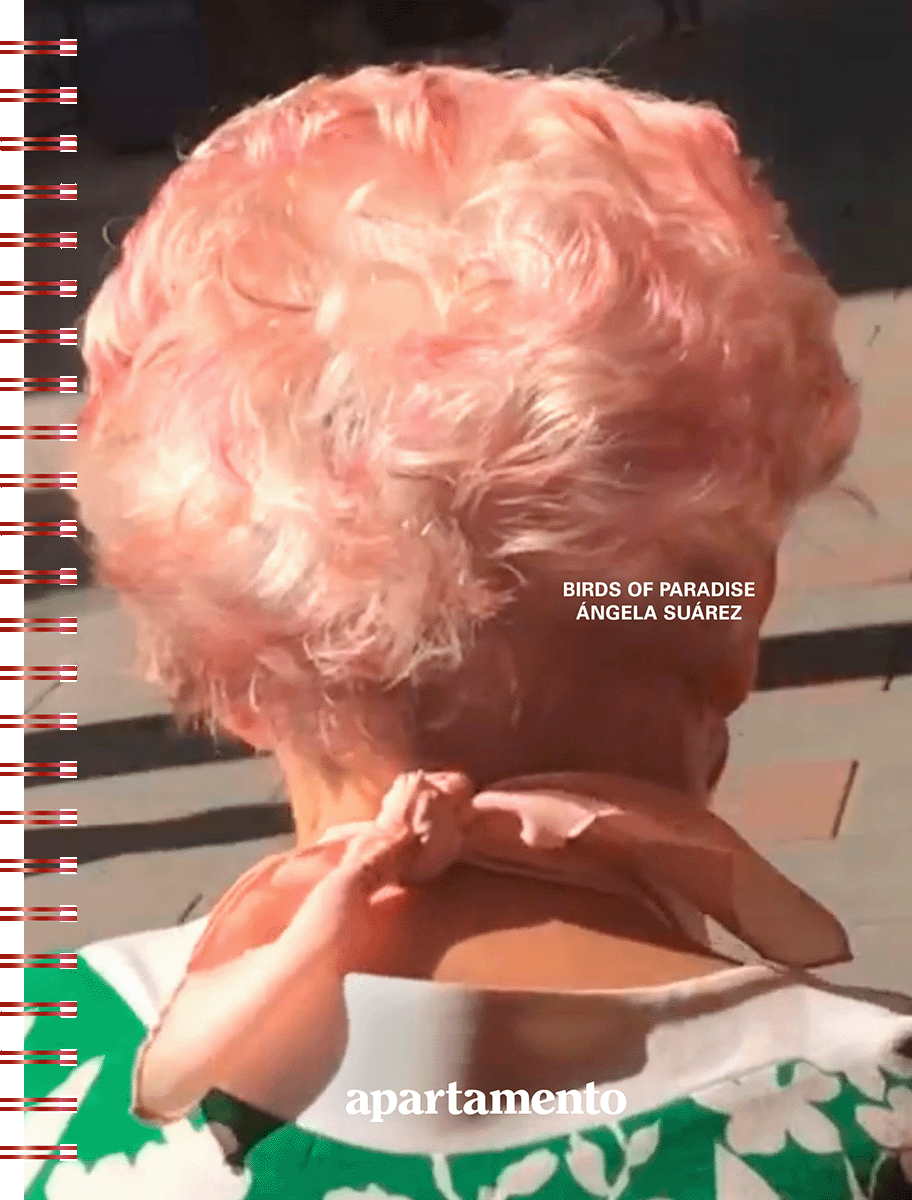

In an era dominated by compulsive capture, looking has become a blunt gesture. The camera moves ahead of the body; the image precedes the encounter. Against this regime of immediate visibility, Birds of Paradise, Ángela Suarez’s new book published by Apartamento, proposes something less obvious and, therefore, more radical: a form of attention.
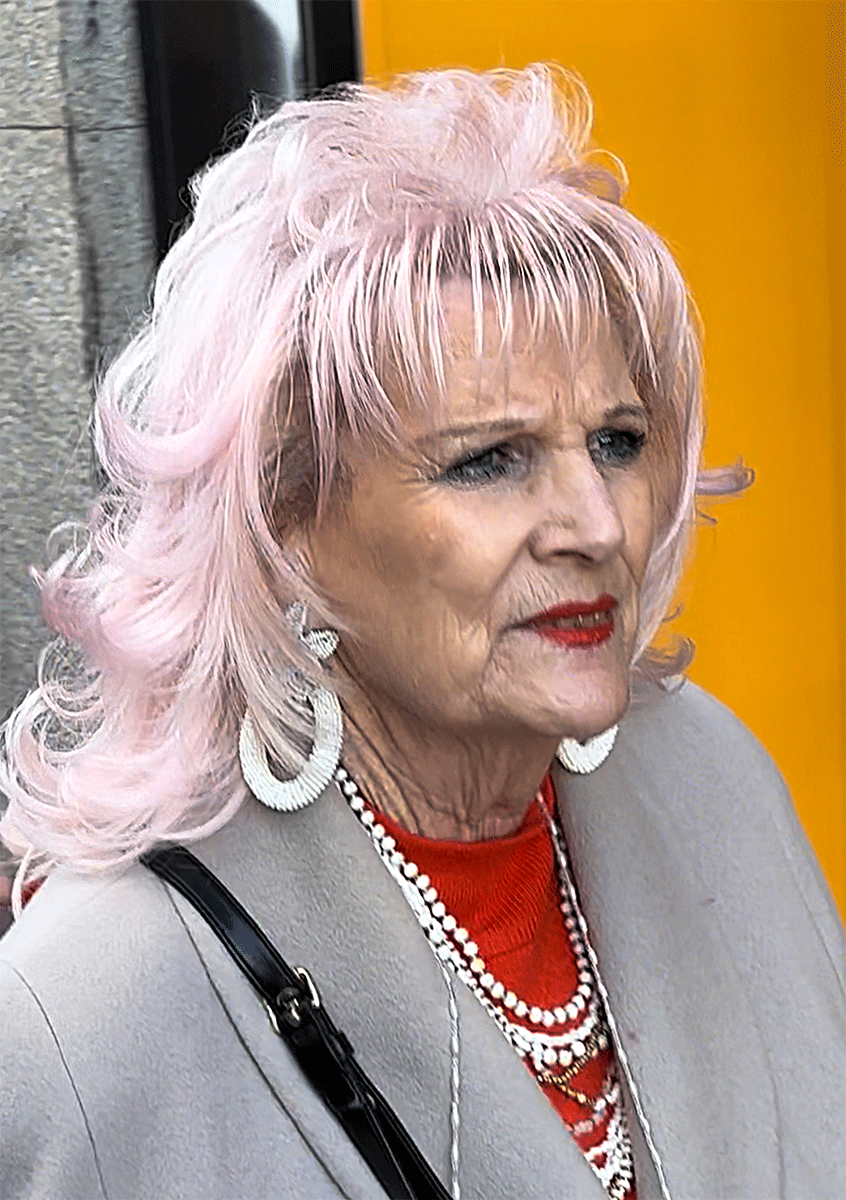
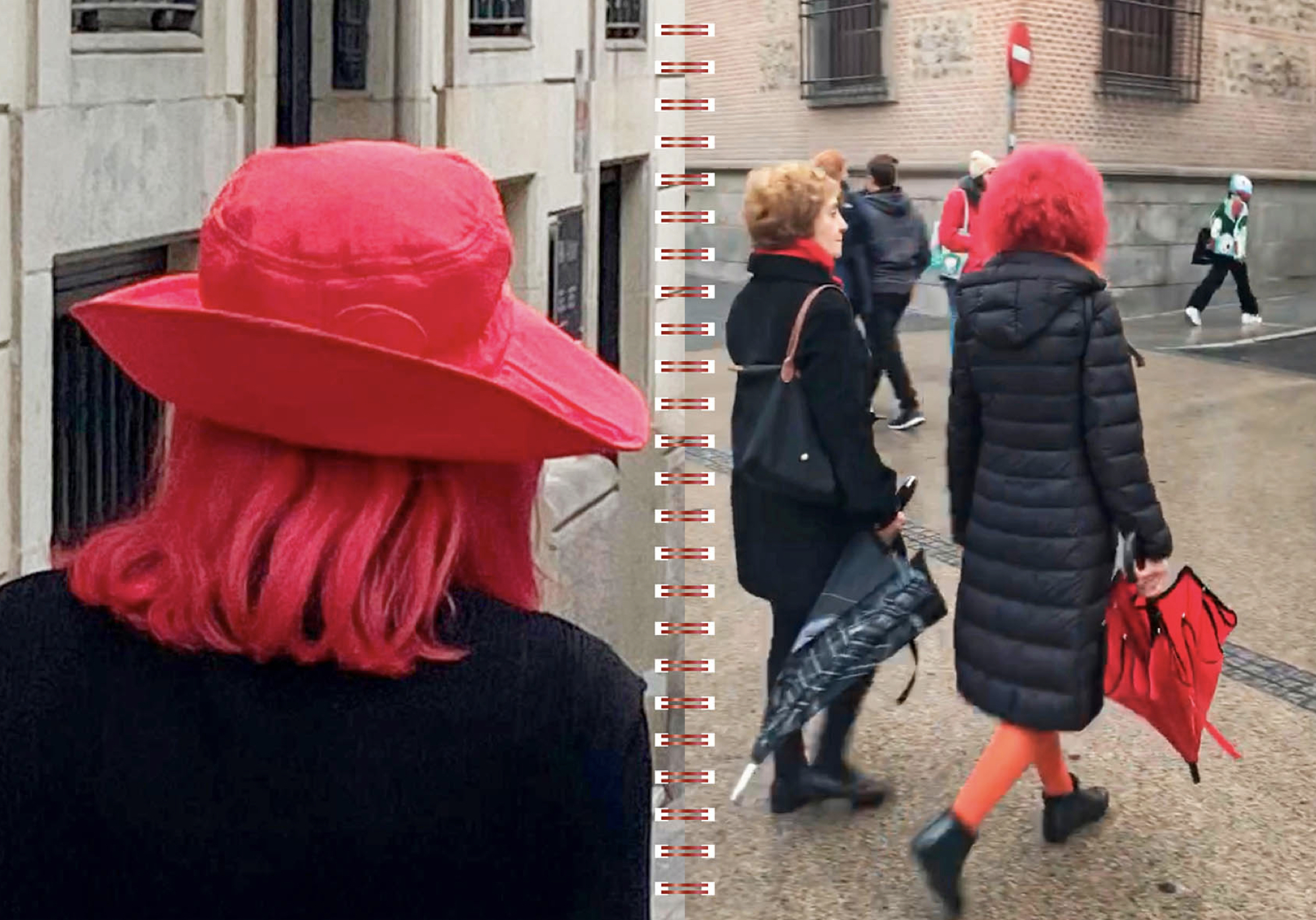
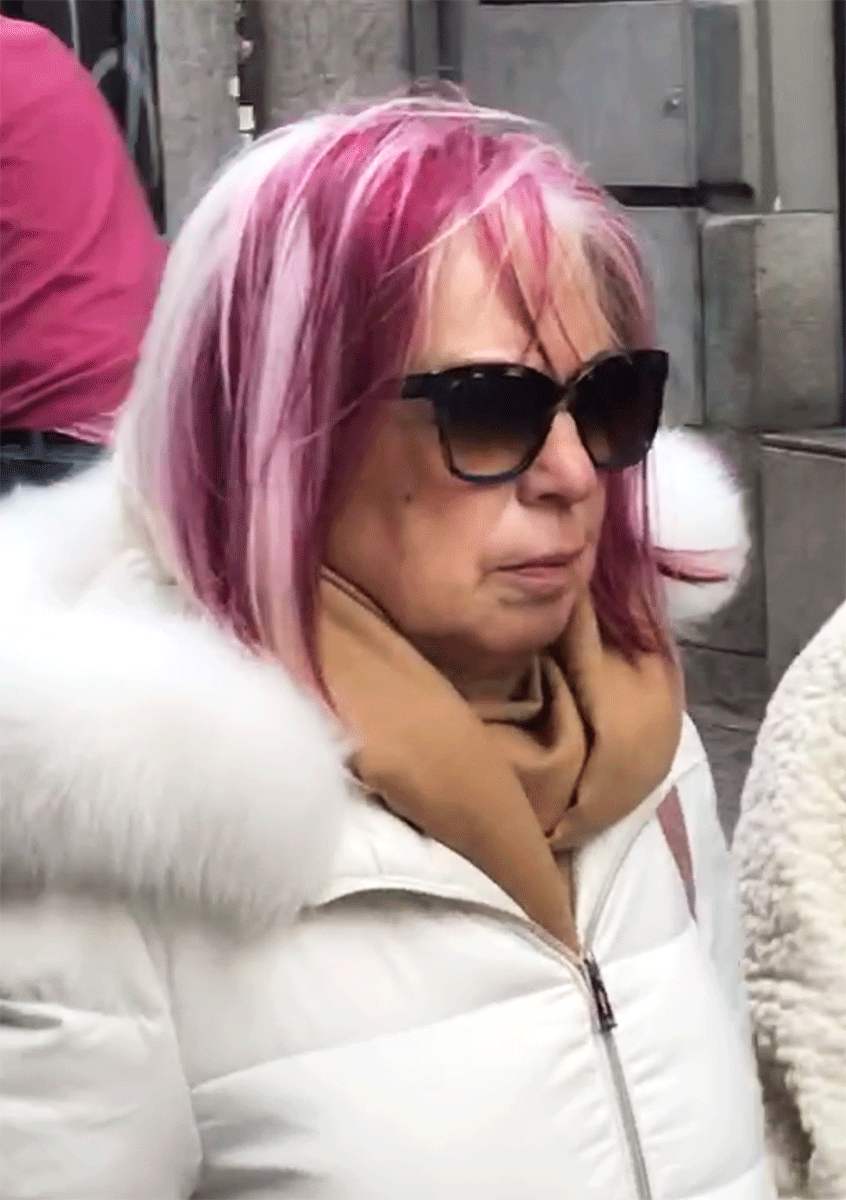
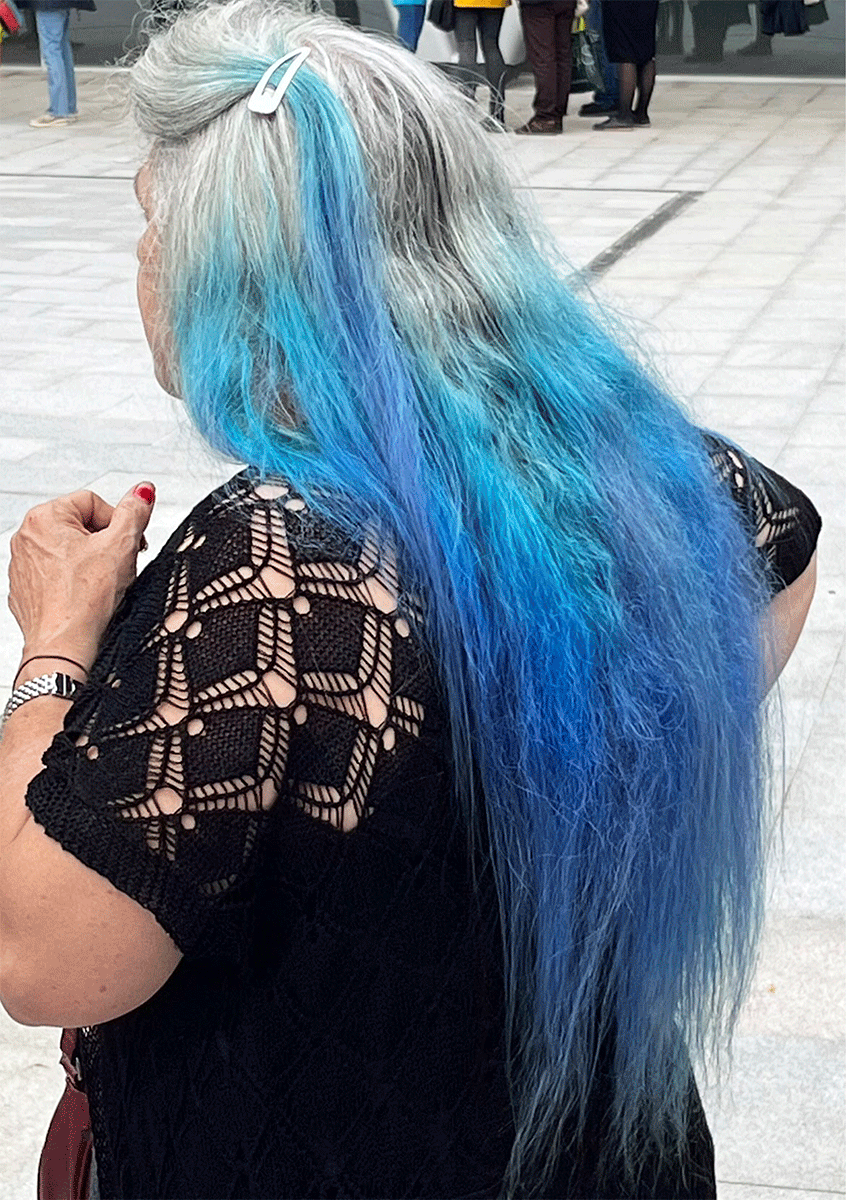
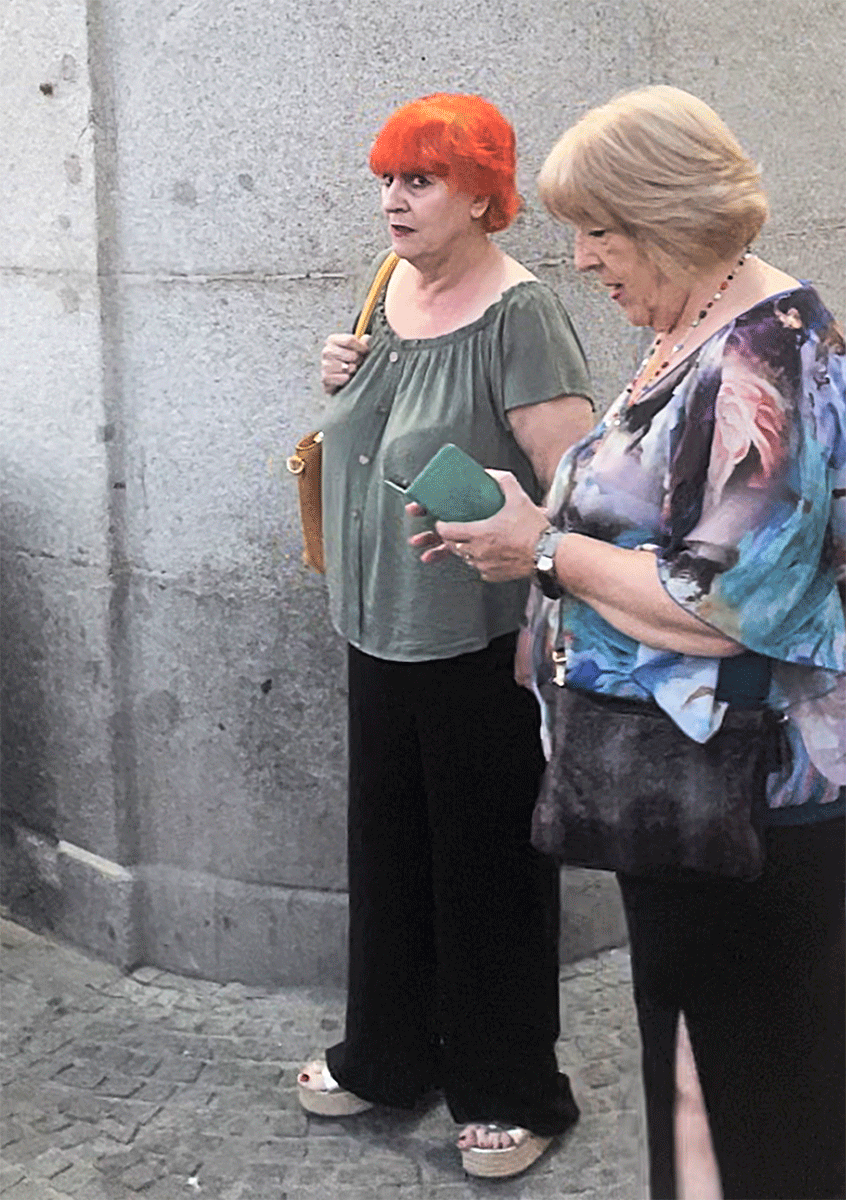
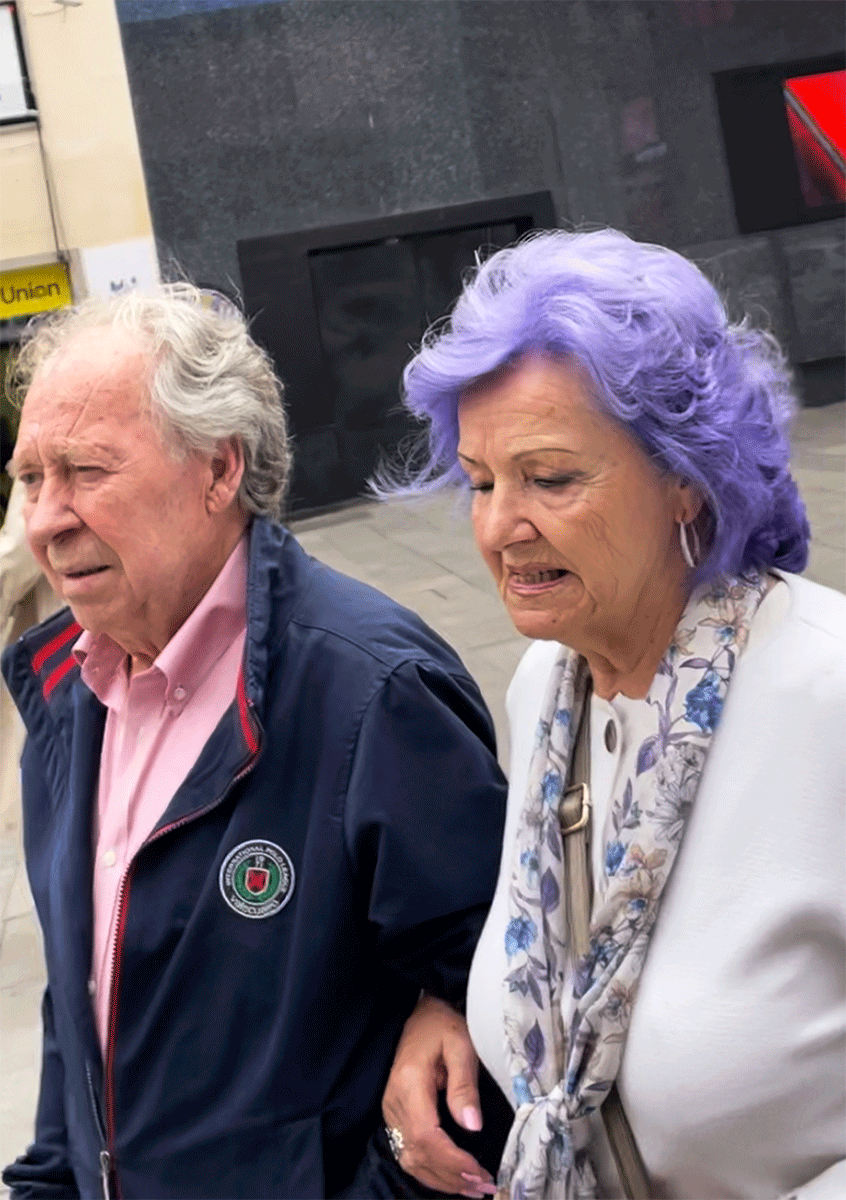
The book is not exactly about hair colour, even if it is its point of departure. Electric blues, candy-pink hues, and hyper-saturated oranges appear again and again, but not as signs of style, nor as closed statements of identity. In Birds of Paradise, colour functions as an interruption in urban monotony, an index of presence. What matters is not the hairstyle, but the moment in which that detail breaks into the gaze.
Ángela does not photograph from the centre. Her practice is built on the margins. There is a clear decision in her work not to possess the image, not to force it. The camera records without imposing a narrative. That slight distance—neither cold nor invasive—defines the tone.
Catalysed by her return to Spain at the beginning of the pandemic, Birds of Paradise emerges in a context where encounters were scarce and attention became more acute. “Some details of people’s appearance that might once have gone unnoticed suddenly carried much of a person’s personal expression,” Ángela writes in the text accompanying the book. This observation does not function as an aesthetic statement, but as a simple acknowledgement: when everything slows down, the minimal becomes eloquent.

Far from the classical logic of fashion photography, where the body is usually organised and directed, the images here are sustained by what happens without prior announcement. There is no pose, no stage, no promise of spectacle. Dyed hair is not a statement; it is a beautiful accident within everyday life. In this sense, the book quietly subverts the codes of fashion image-making, without explicitly rejecting them.
Although the project grew over time and began to incorporate images shared by other people from different parts of the world, Birds of Paradise retains a coherence that does not depend on the subject, but on the gaze. Even as authorship multiplies, the criteria remain. This is not an open-ended archive without form, but a recognisable sensibility that filters, orders, and gives meaning. The expansion does not dilute Ángela’s voice; it confirms it.
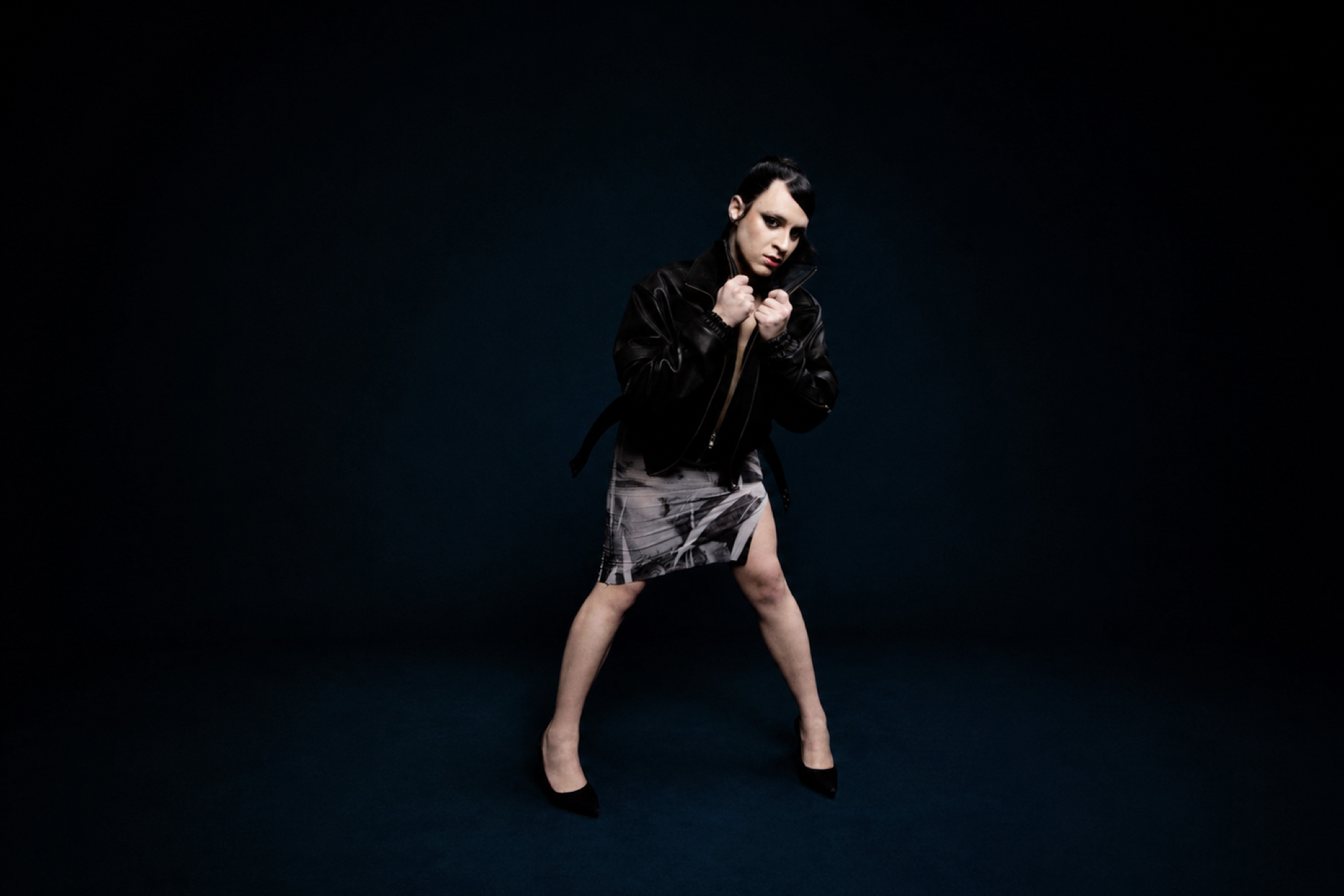
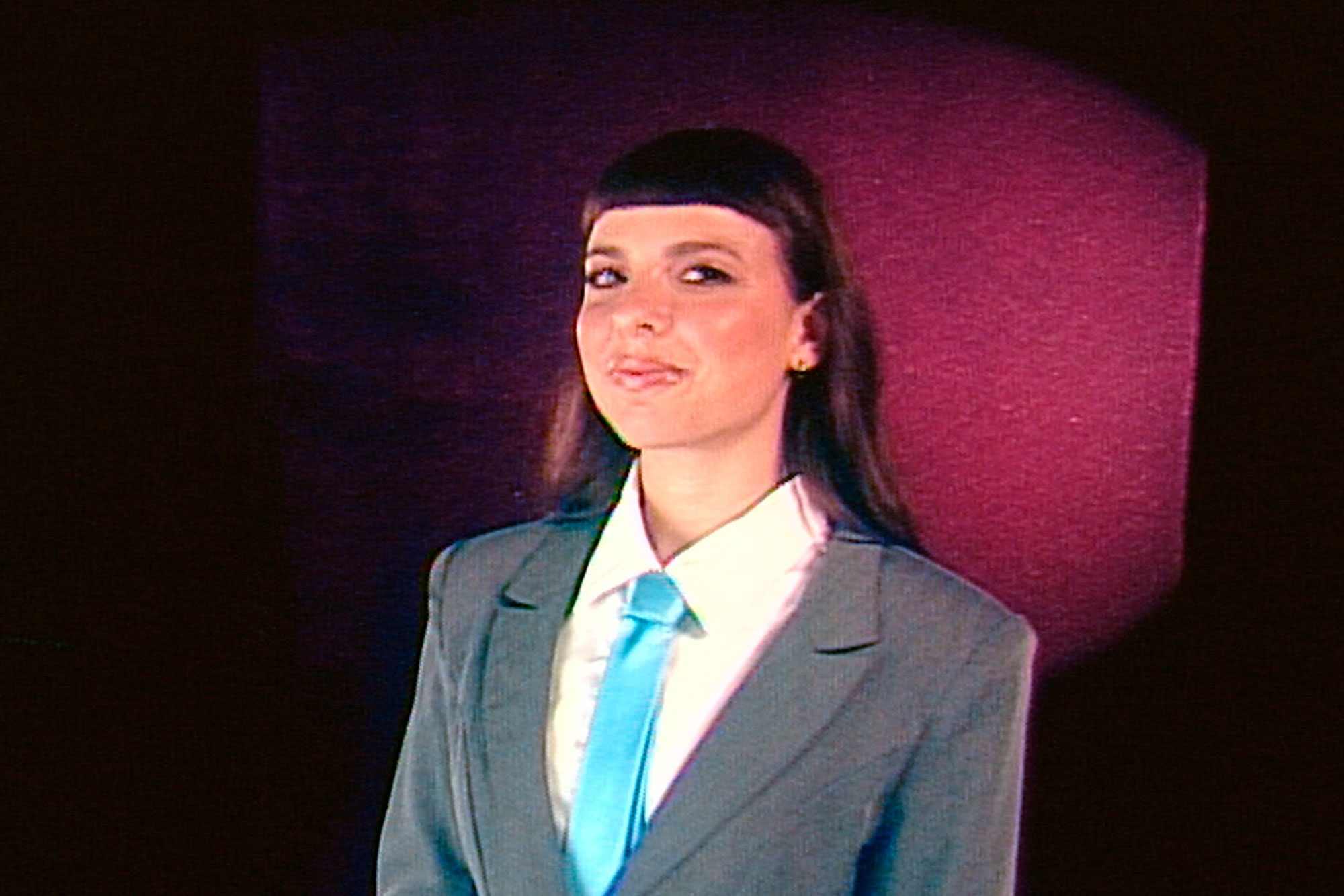
This way of looking is not new in her trajectory. In her editorial collaborations—including her work for Apartamento and her portraits of figures such as Mario García Torres or Wilfredo Prieto—this inclination toward the lateral, toward what does not immediately offer itself to the lens, was already present. Birds of Paradise condenses and sharpens this practice, translating it into the space of the book as an object: a compendium that reads more like an attentive walk than a collection of images.
In a time when images constantly seek validation, this book allows itself something else: to look without urgency, without appropriation, without the need to explain. Perhaps this is where its most contemporary gesture resides—not in what it shows, but in how it chooses to look.
Birds of Paradise is available for purchase at apartamento.com/product/birds-of-paradise-angela-suarez-book/
En una época dominada por la captura compulsiva, mirar se ha vuelto un gesto brusco. La cámara se adelanta al cuerpo, la imagen al encuentro. Frente a ese régimen de visibilidad inmediata, Birds of Paradise, el nuevo libro de Ángela Suárez publicado por Apartamento, propone algo menos evidente y, por eso mismo, más radical: una forma de atención.
El libro no trata exactamente sobre el color del pelo, aunque sea su punto de partida. Azules eléctricos, rosas golosina, naranjas saturadísimos aparecen una y otra vez, pero no como signos de estilo ni como afirmaciones de identidad cerrada. En Birds of Paradise, el color funciona como una interrupción en la monotonía urbana, un indicio de presencia. Lo que importa no es el peinado, sino el instante en el que ese detalle irrumpe en la mirada.
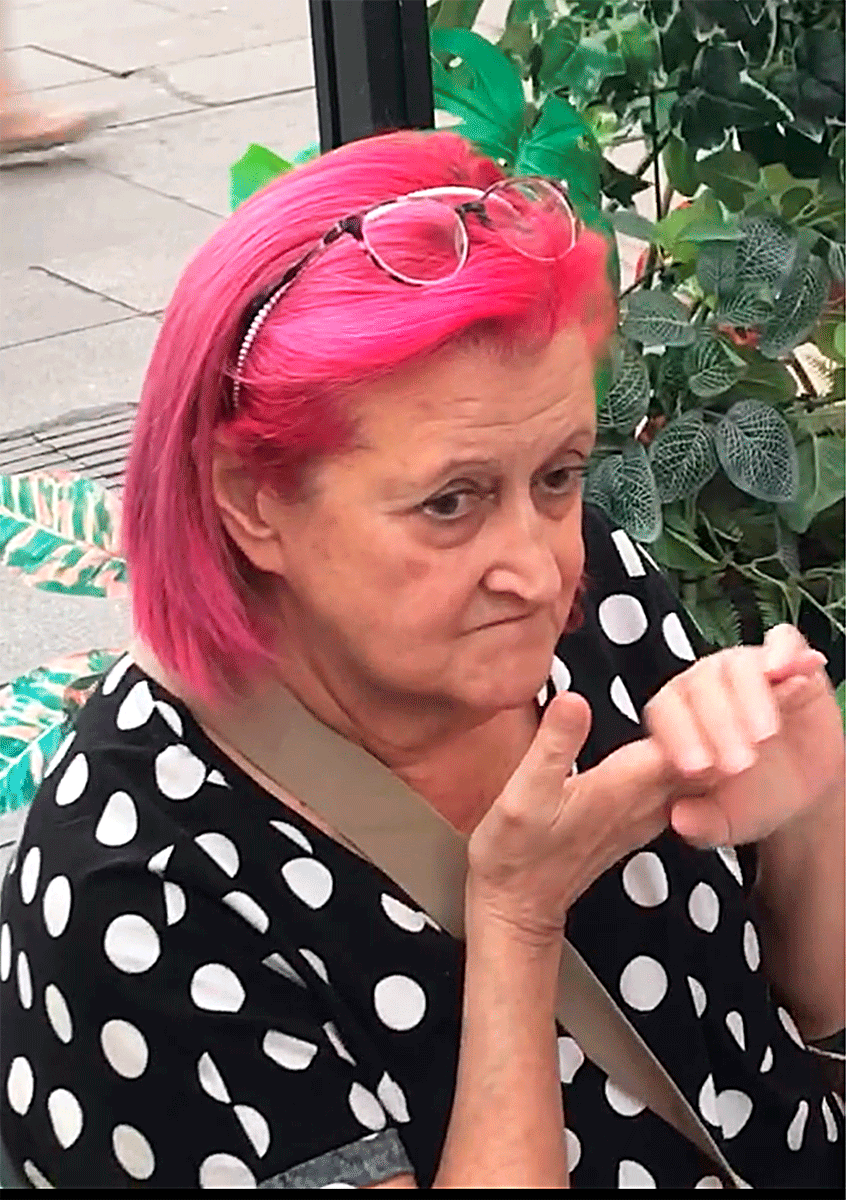
Ángela no fotografía desde el centro. Su práctica se construye en los márgenes. Hay en su trabajo una decisión clara de no poseer la imagen, de no forzarla. La cámara registra sin imponer una narrativa. Esa distancia leve —ni fría ni invasiva— define el tono.
Catalizado por su regreso a España al inicio de la pandemia, Birds of Paradise nace en un contexto donde los encuentros eran escasos y la atención se volvía más aguda. “Some details of people’s appearance that might once have gone unnoticed suddenly carried much of a person’s personal expression”, escribe Suárez en el texto que acompaña el libro. Esa observación no funciona como declaración estética, sino como constatación: cuando todo se ralentiza, lo mínimo se vuelve elocuente.
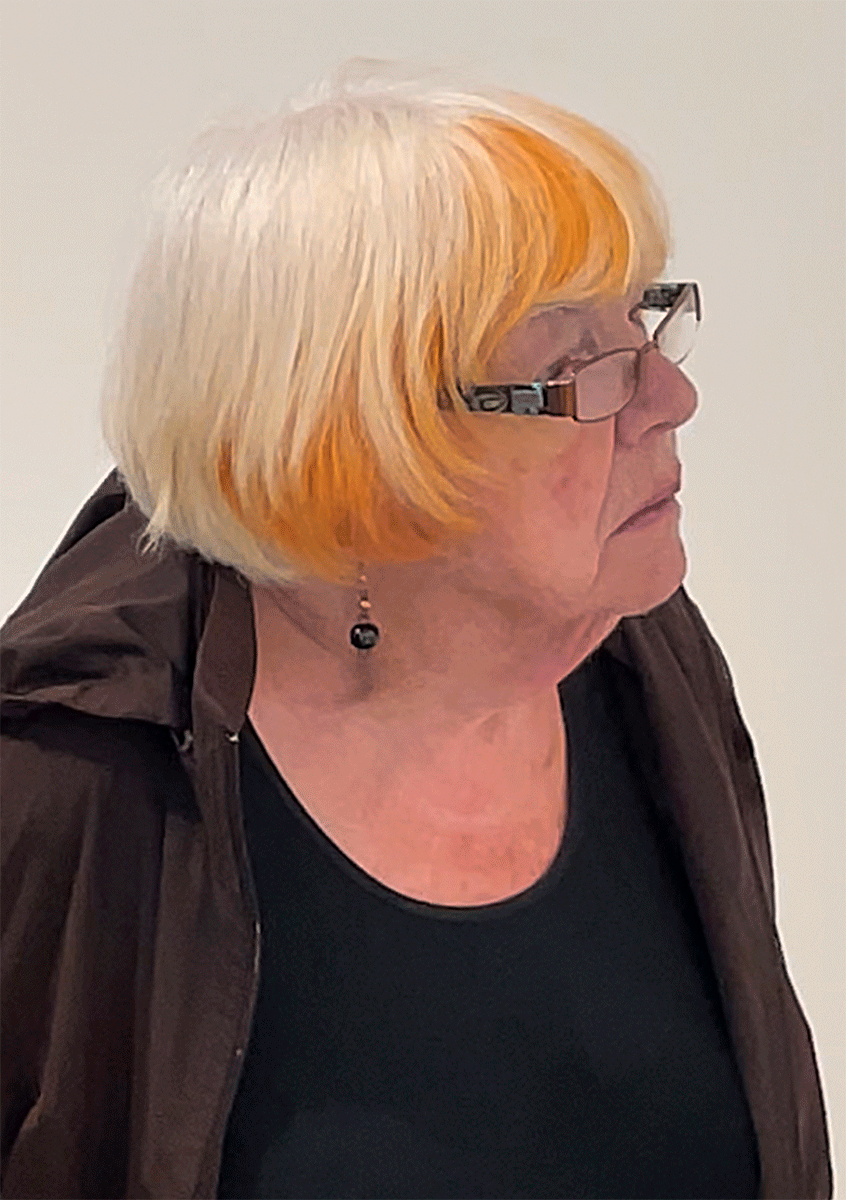
Lejos de la lógica clásica de la fotografía de moda, donde el cuerpo suele ser organizado y dirigido, aquí la imagen se sostiene en lo que sucede sin anuncio previo. No hay pose, no hay escenario, no hay promesa de espectacularidad. El pelo teñido no es un statement, es un accidente hermoso dentro de la vida cotidiana. En ese sentido, el libro subvierte silenciosamente los códigos del fashion image-making sin necesidad de negarlos de forma explícita.
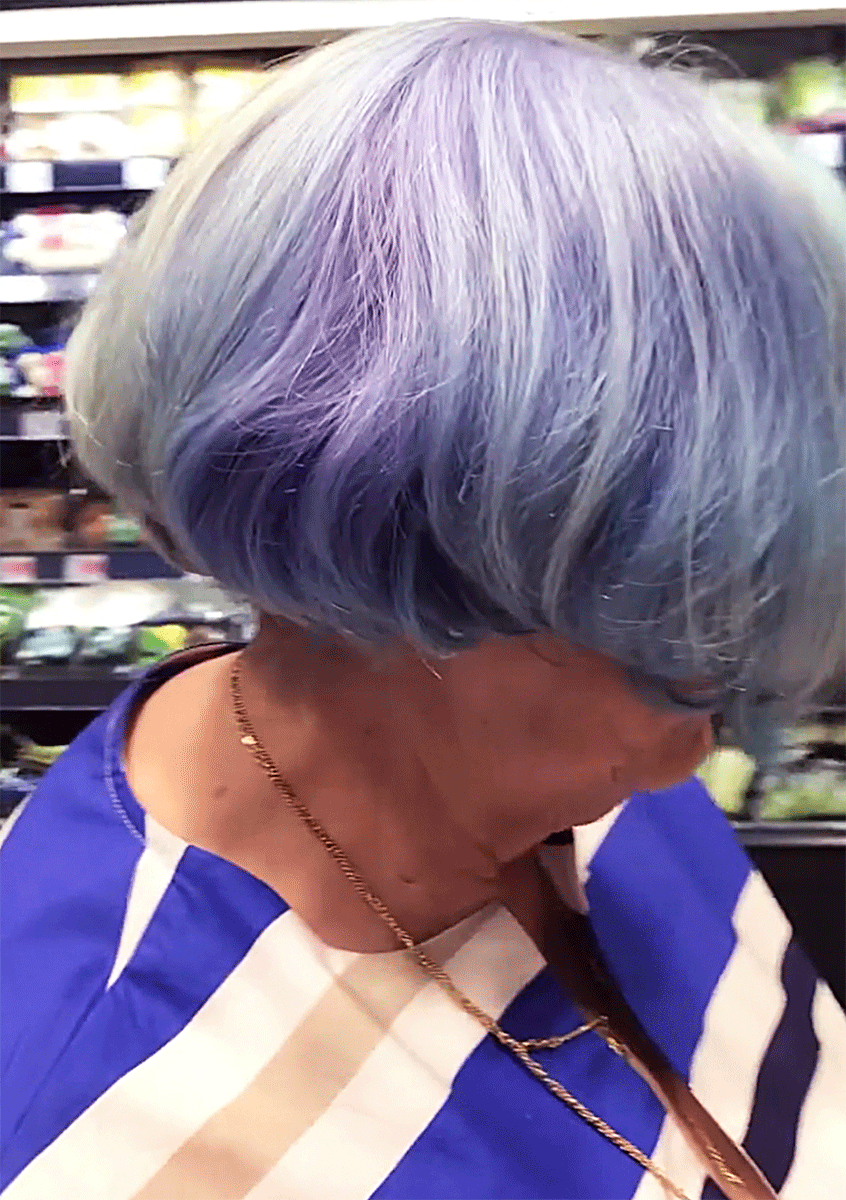
Aunque el proyecto creció con el tiempo y comenzó a incorporar imágenes compartidas por otras personas desde distintos lugares del mundo, Birds of Paradise conserva una coherencia que no depende del tema, sino de la mirada. Incluso cuando las autorías se multiplican, el criterio permanece. No se trata de un archivo abierto sin forma, sino de una sensibilidad reconocible que filtra, ordena y da sentido. La expansión no diluye la voz de Angela; la confirma.
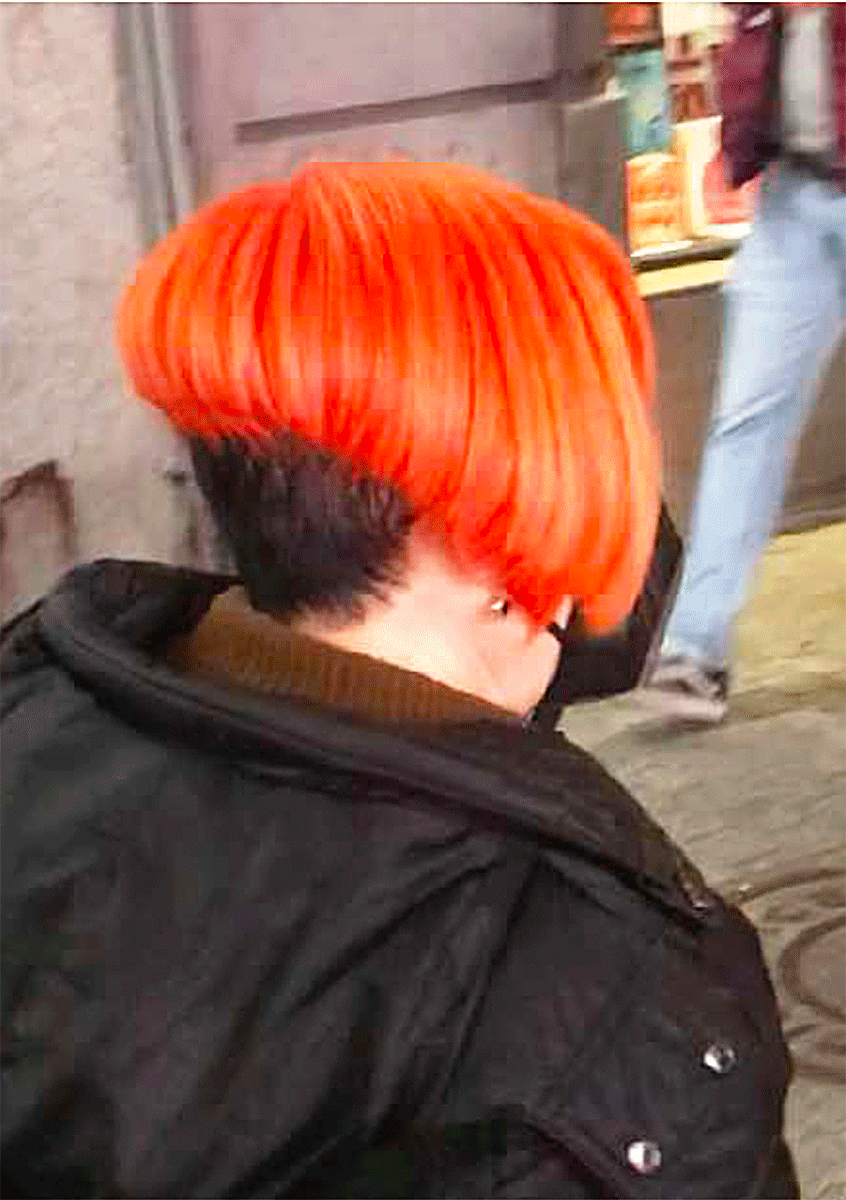
Este modo de observar no es nuevo en su trayectoria. En sus colaboraciones editoriales —incluyendo sus trabajos para Apartamento y sus retratos de figuras como Mario García Torres o Wilfredo Prieto— ya aparecía esa inclinación por lo lateral, por lo que no se ofrece inmediatamente al lente. Birds of Paradise condensa y afina esa práctica, trasladándola al espacio del libro como objeto: un compendio que se lee más como un paseo atento que como una colección de imágenes.
En tiempos donde la imagen busca constantemente validación, este libro se permite otra cosa: mirar sin urgencia, sin apropiación, sin necesidad de explicar. Quizás ahí resida su gesto más contemporáneo. No en lo que muestra, sino en cómo decide mirar.
Birds of Paradise esta diponile en apartamento.com/product/birds-of-paradise-angela-suarez-book/