
As we close out 2025 and look ahead to 2026, it becomes clear that the year coming to an end was not simply a succession of memorable looks. It was a period in which fashion reaffirmed its ability to think, breathe, and reconfigure itself without urgency. Far from being defined by a single “dominant trend,” 2025 was shaped by aesthetic coexistence, historical re-significations, and narrative pulses that dialogue equally with the past and the future.
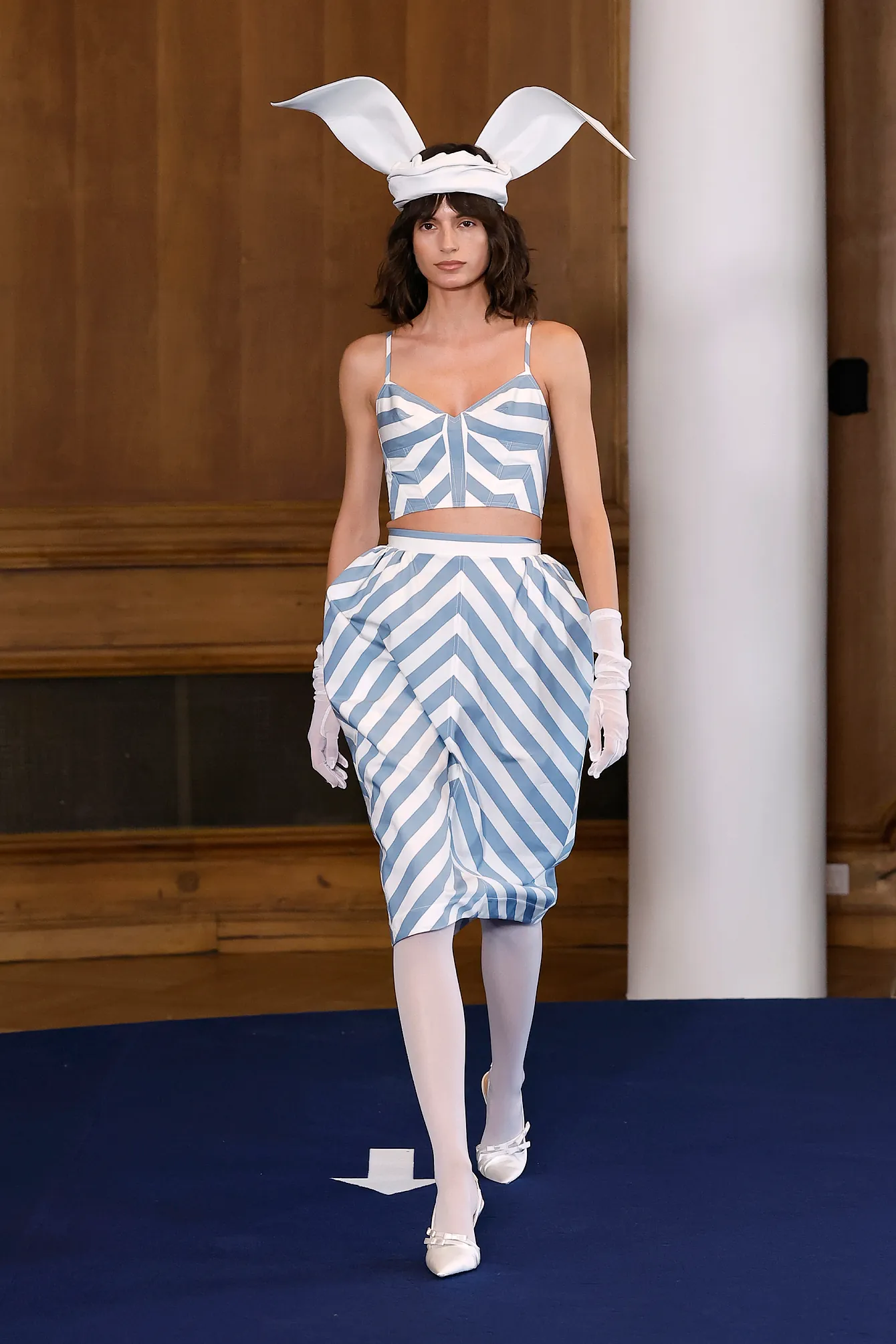
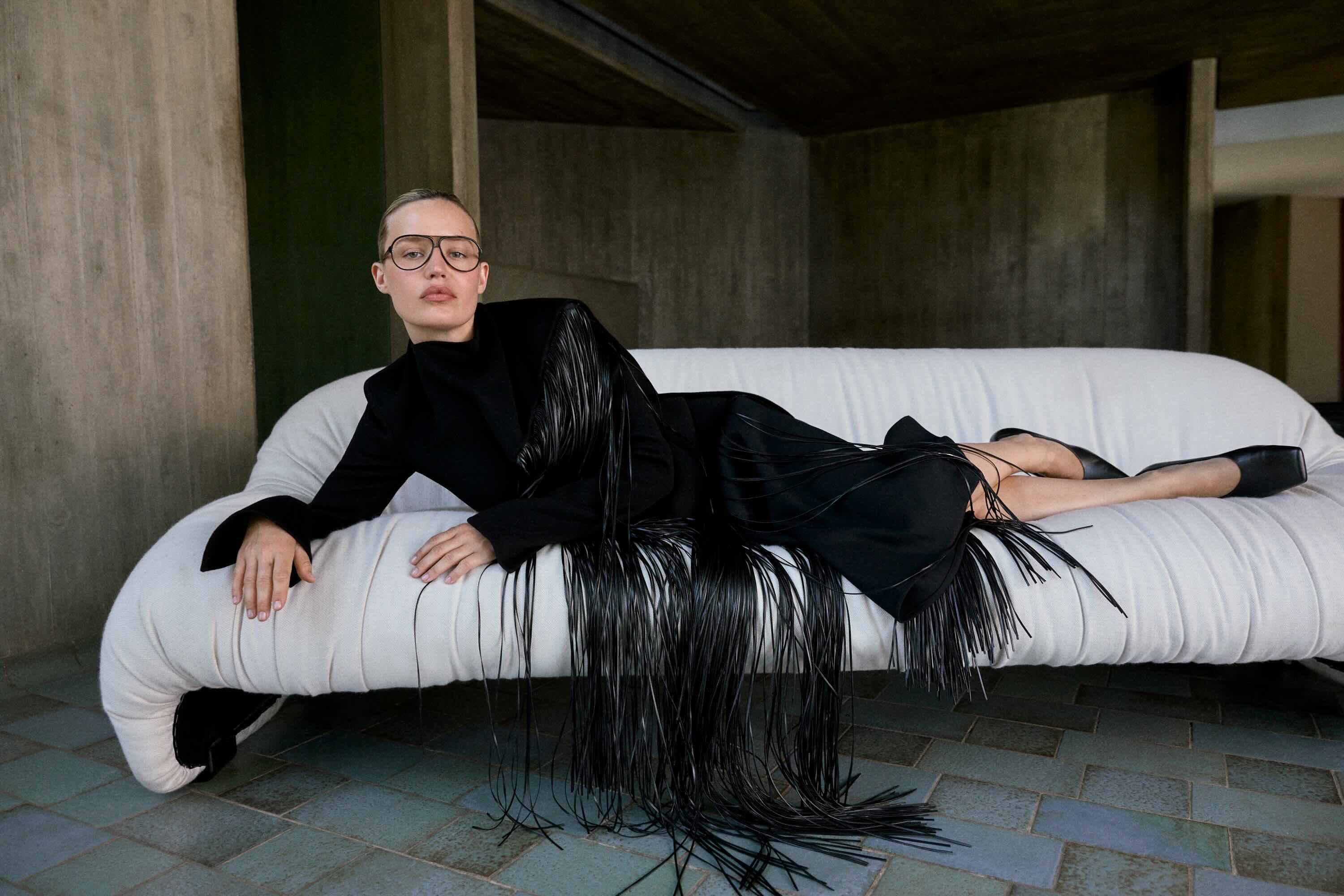
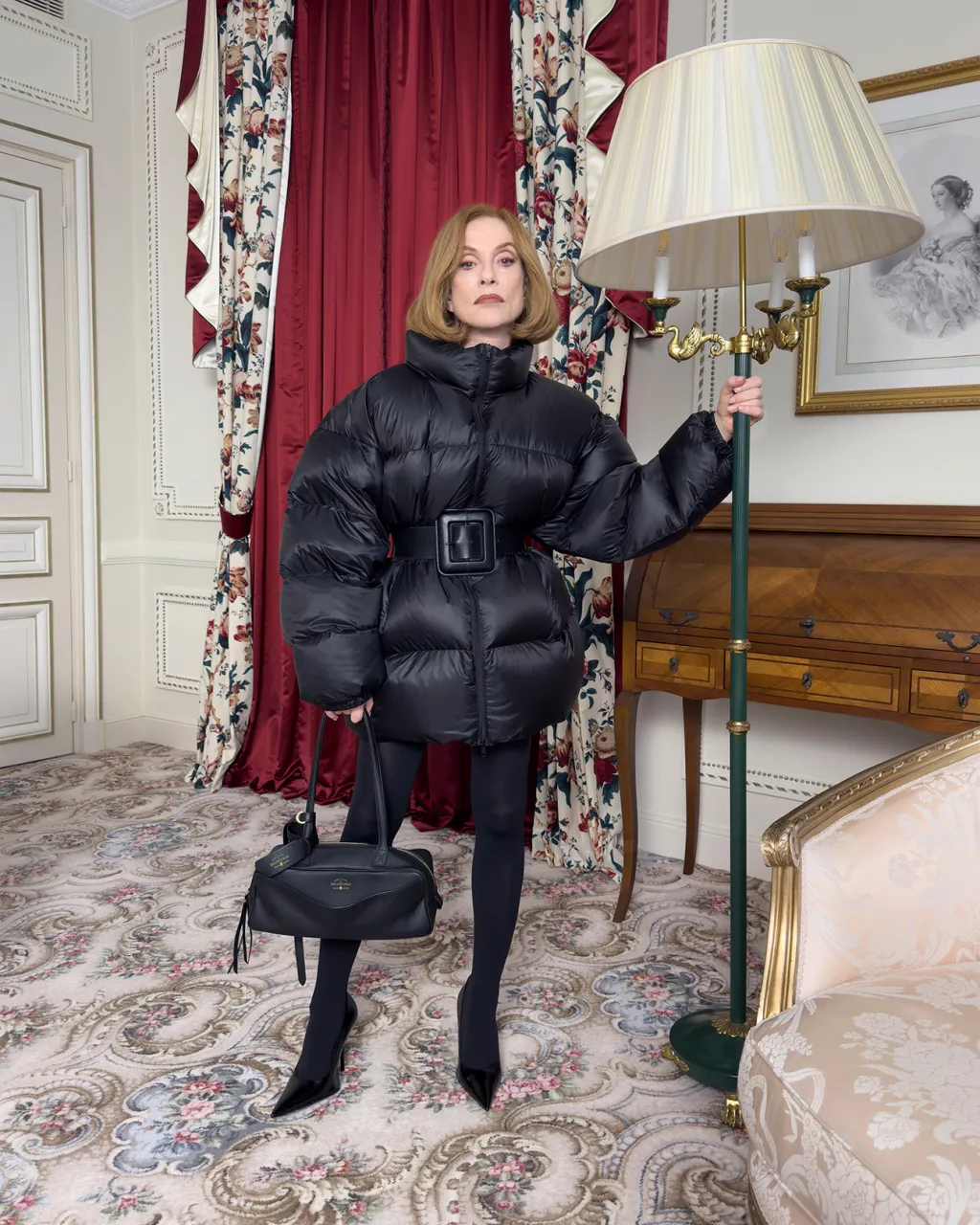
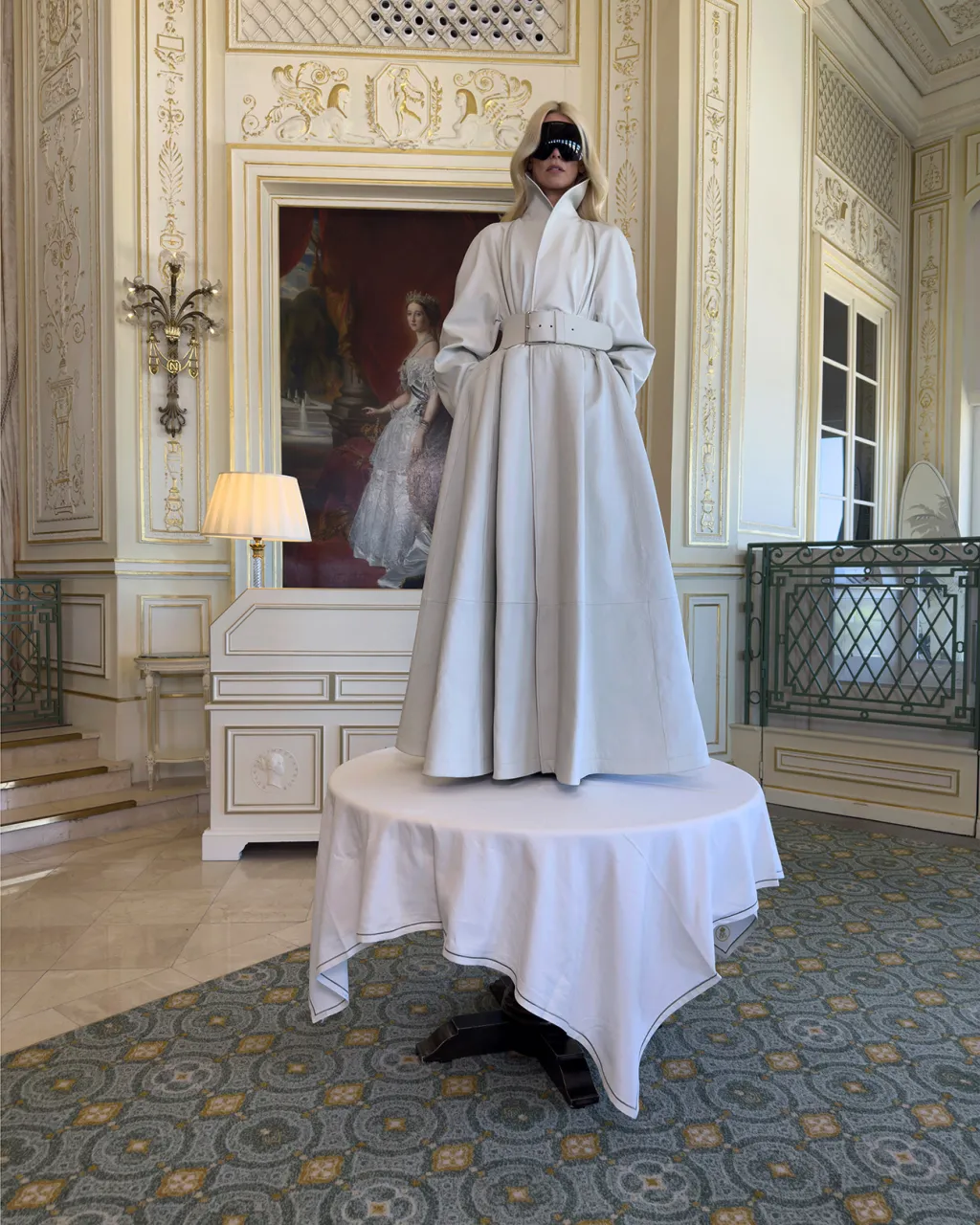
The runways reflected a balance between spectacle and reflection. Designers in moments of transitions closed chapters that had redefined entire houses, as seen in Demna's final creative phase at Balenciaga. His departure followed a series of defining moments, including the Winter 2025 The Clients campaign shot by Juergen Teller in Biarritz, before his transition to Gucci and the arrival of Pierpaolo Piccioli as the maison’s new creative director.
This moment of closure and renewal raised a compelling editorial question: how does one continue a transformative aesthetic without repeating the same formulas? To a large extent, the answer emerged through directions in which fashion becomes less about declaration and more about gesture, less about provocation and more about symbolic construction.
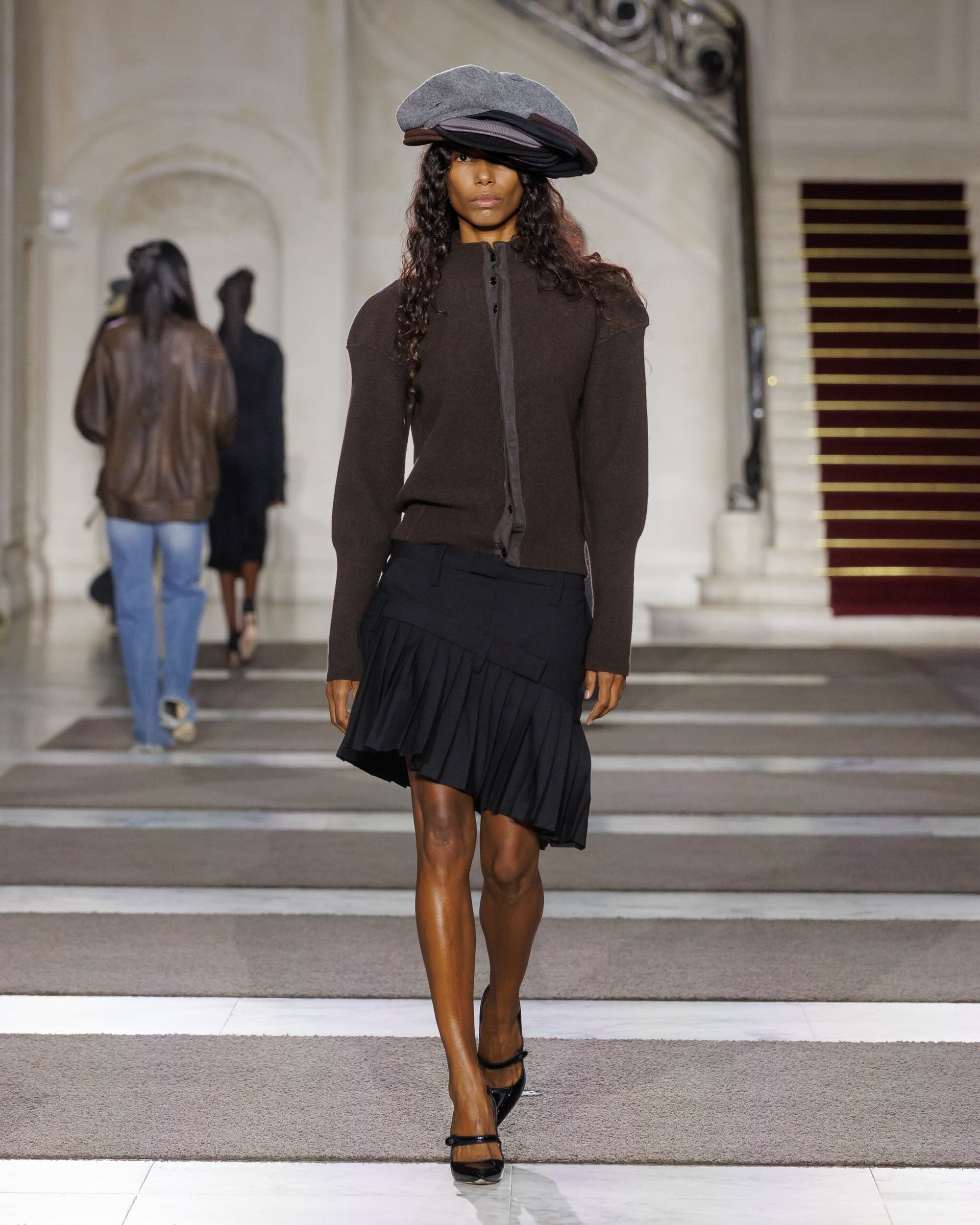
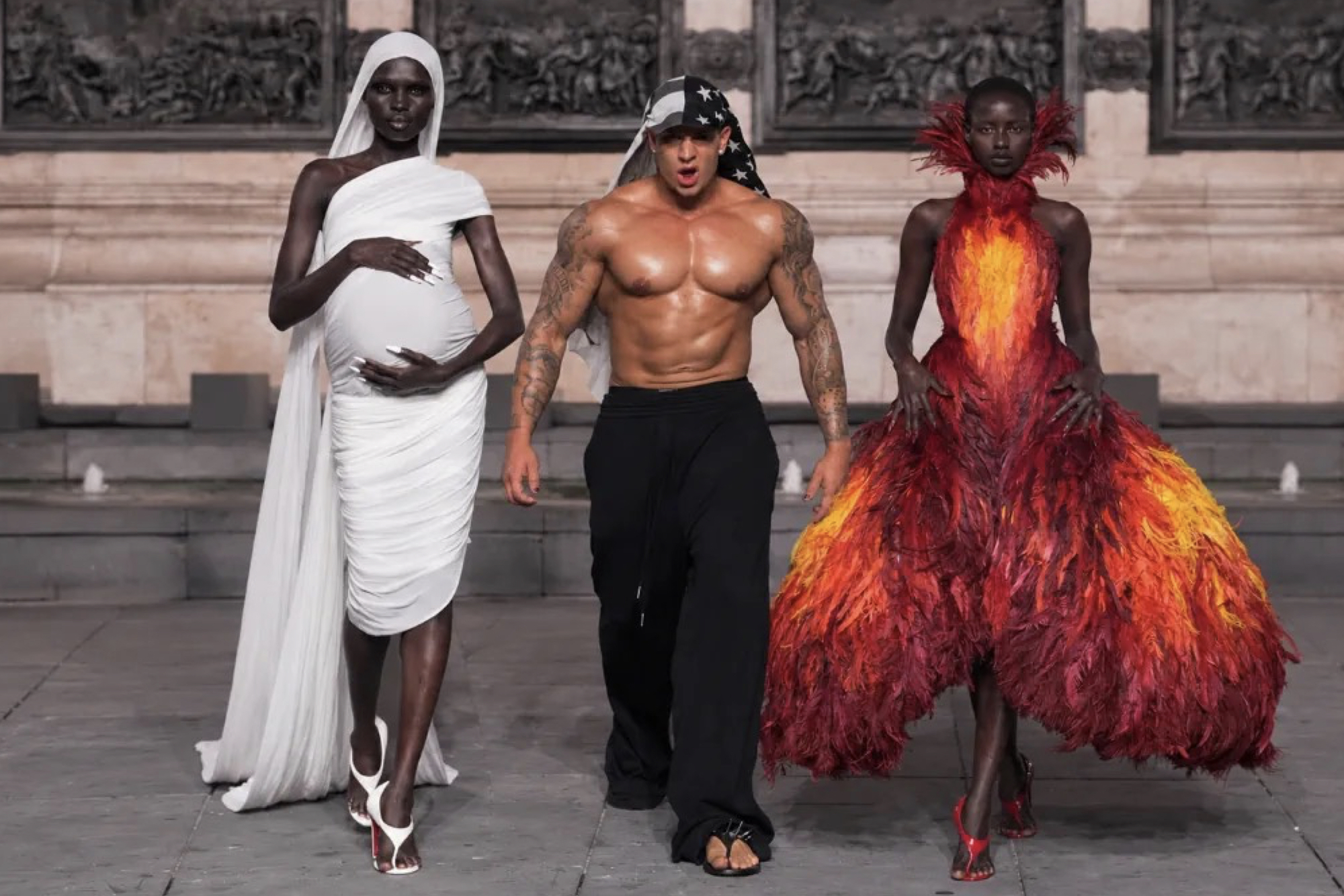
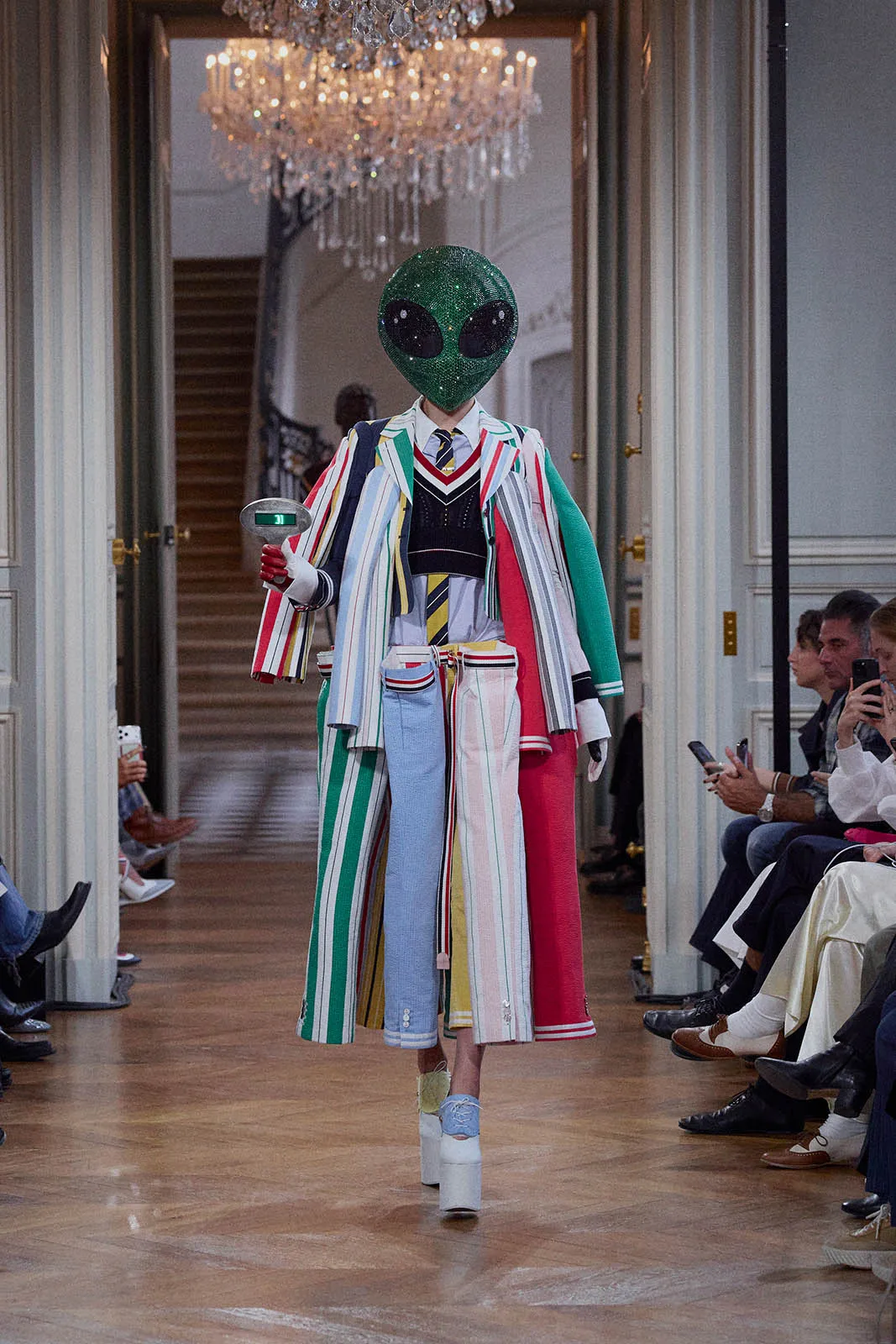
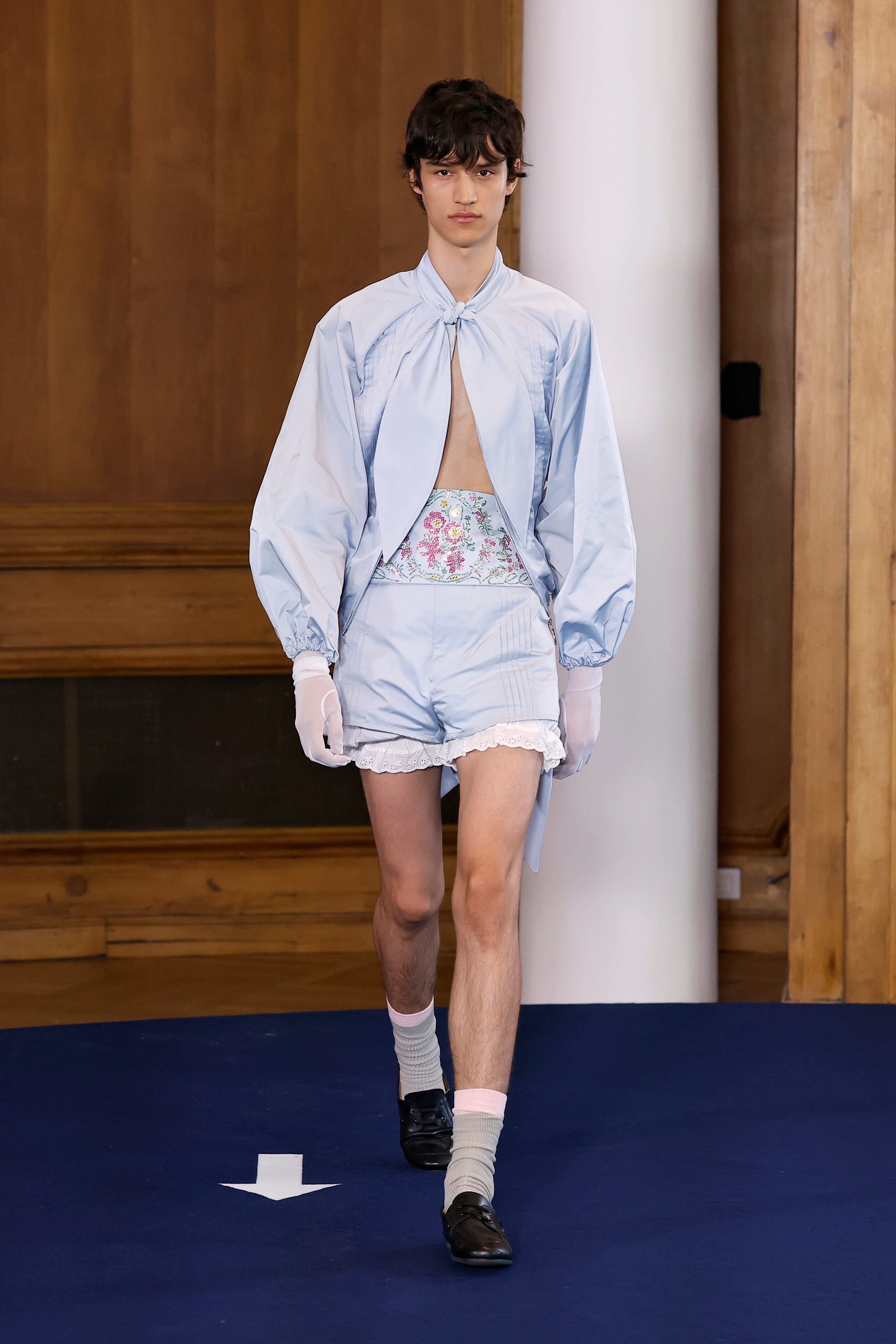
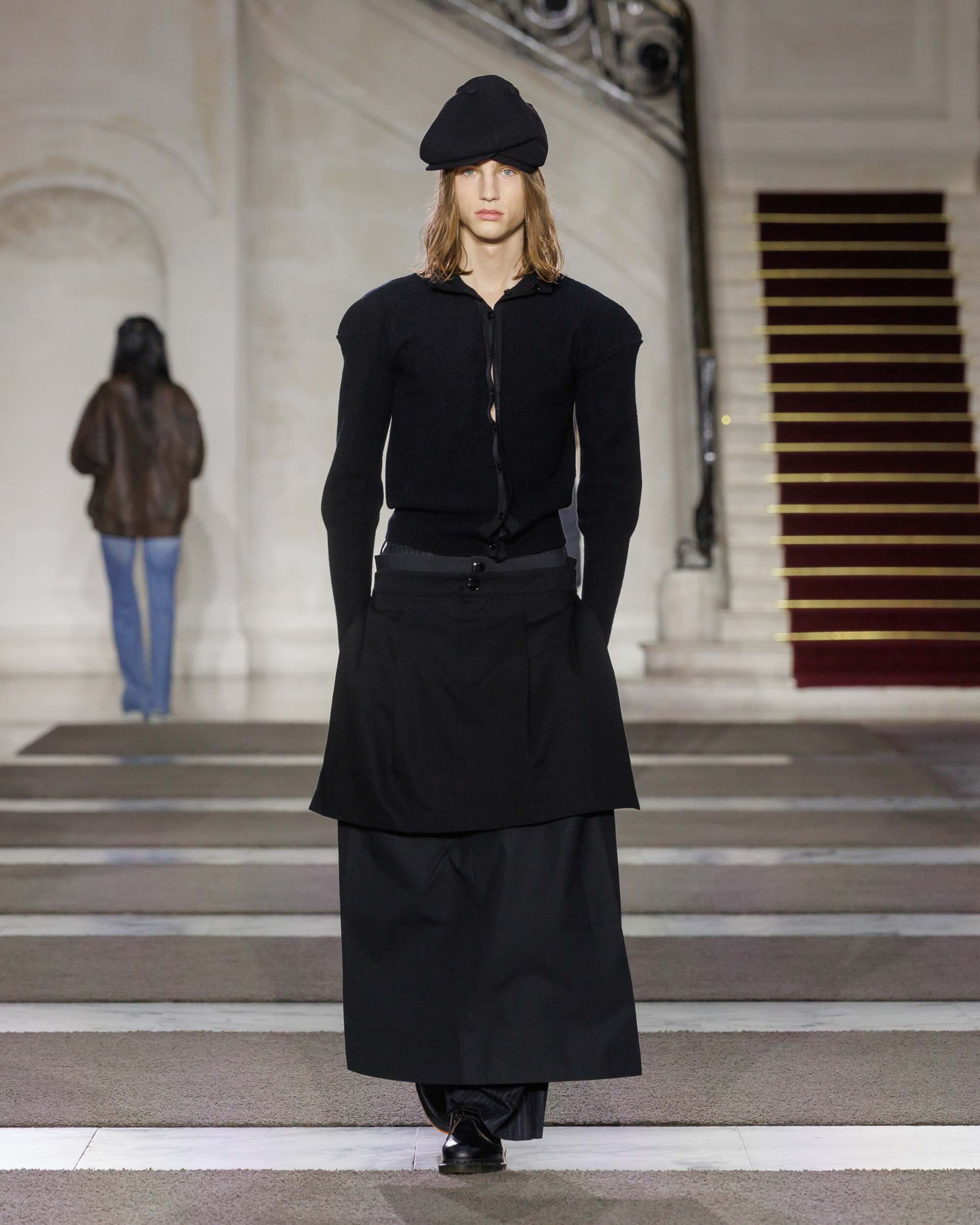
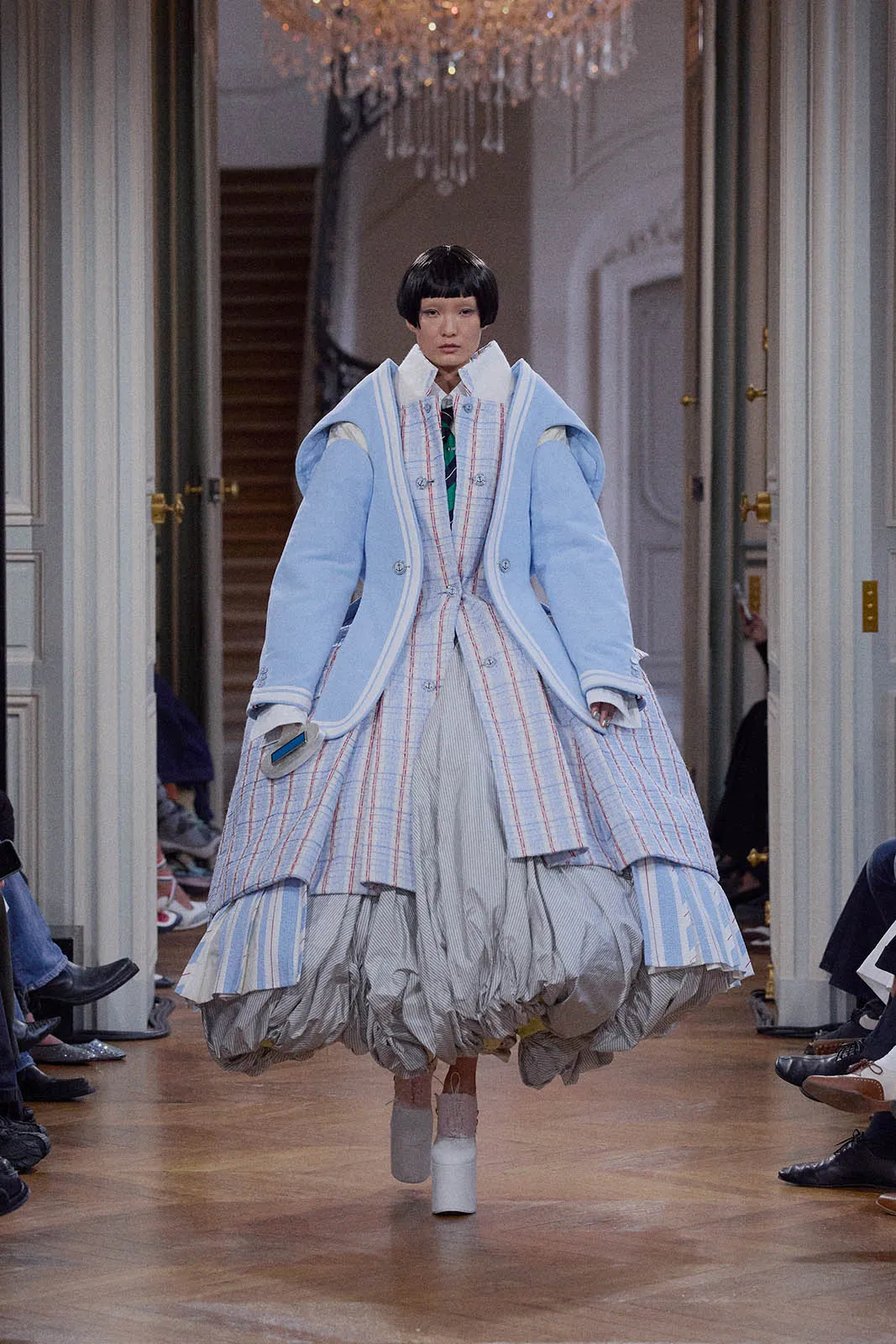
In this context, several collections from 2025 and 2026 — such as WE COME IN PEACE by Thom Browne SS26 or Torishéju’s SS26 show at Paris Fashion Week — explored the boundaries between the familiar and the unexpected through precise, narrative, and concept-driven visual codes.
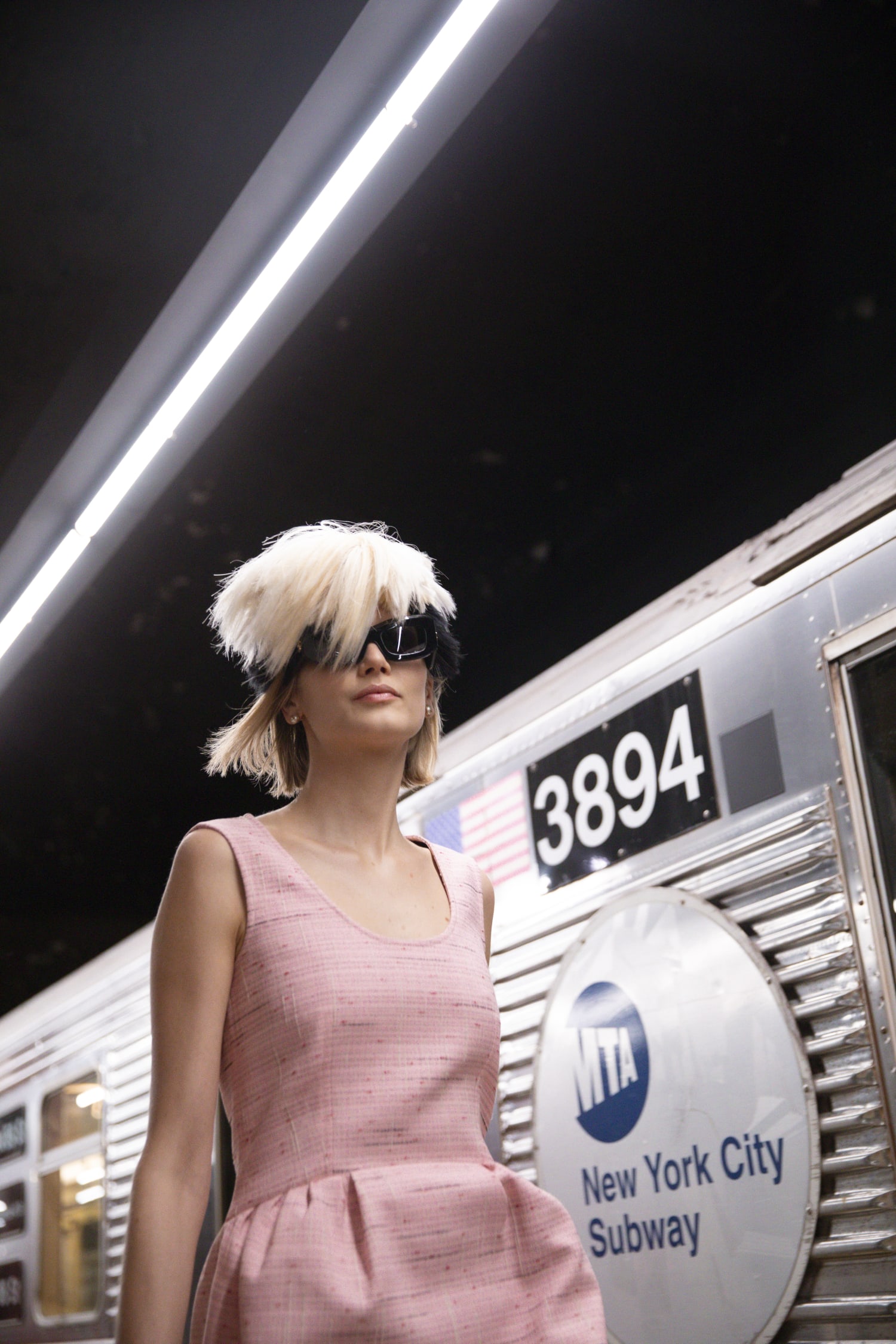
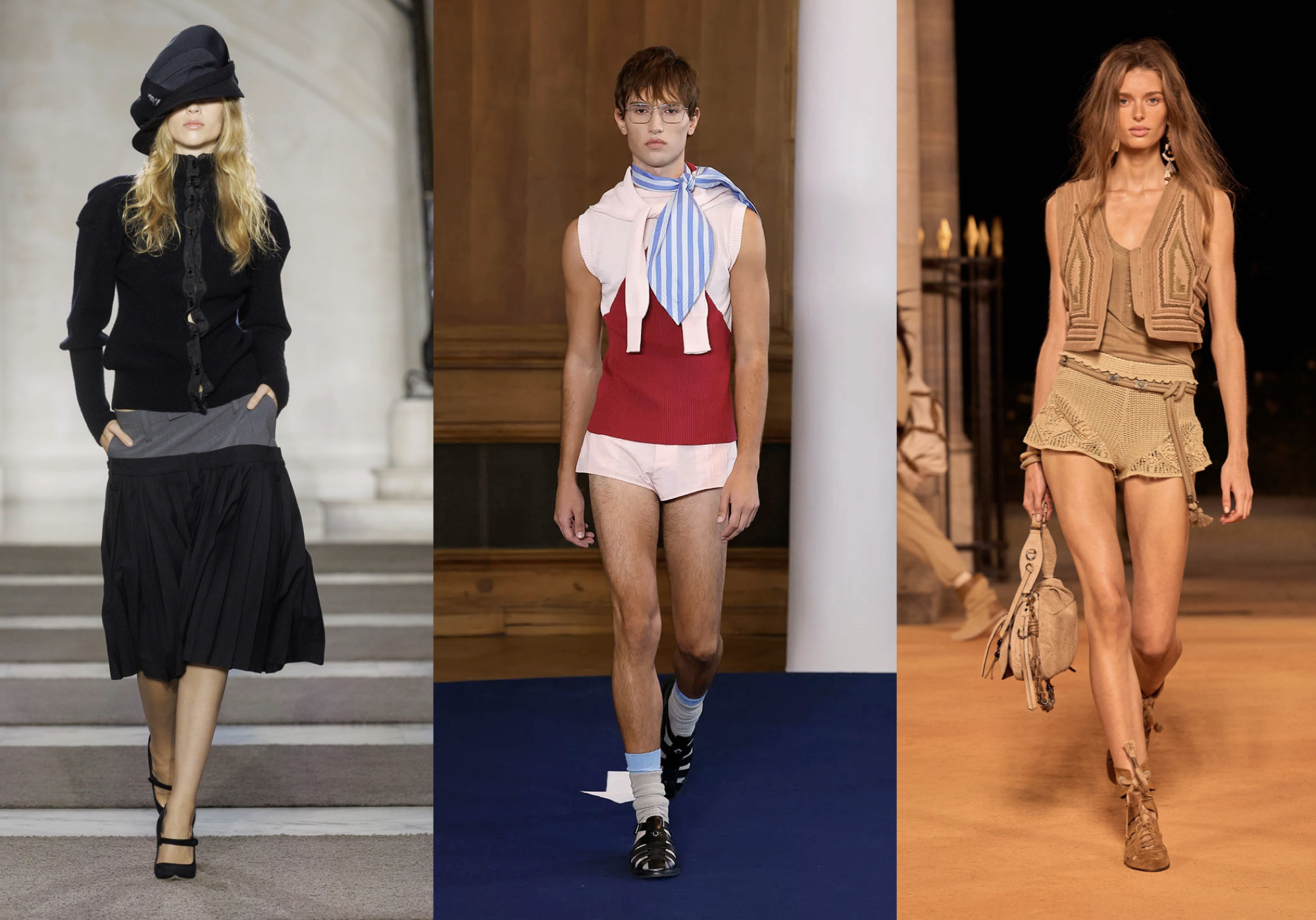
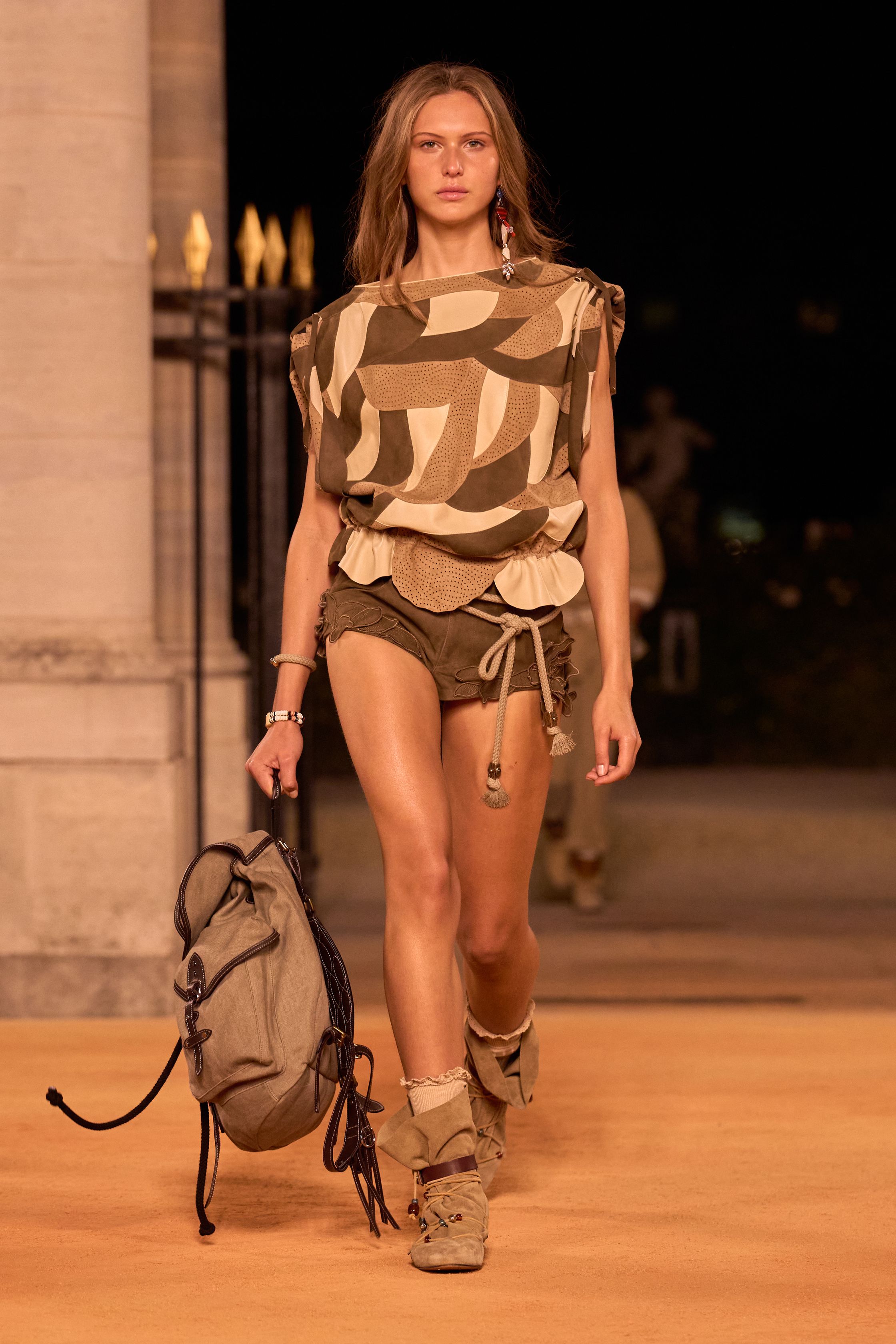
Isabel Marant revisited boho in Paris through an updated lens, understood more as attitude than archive, while Chanel stunned with a radical use of urban space by staging its show in the New York City subway. These gestures speak to a moment in which fashion turns inward, re-signifies context, and engages with multiple cultural languages.
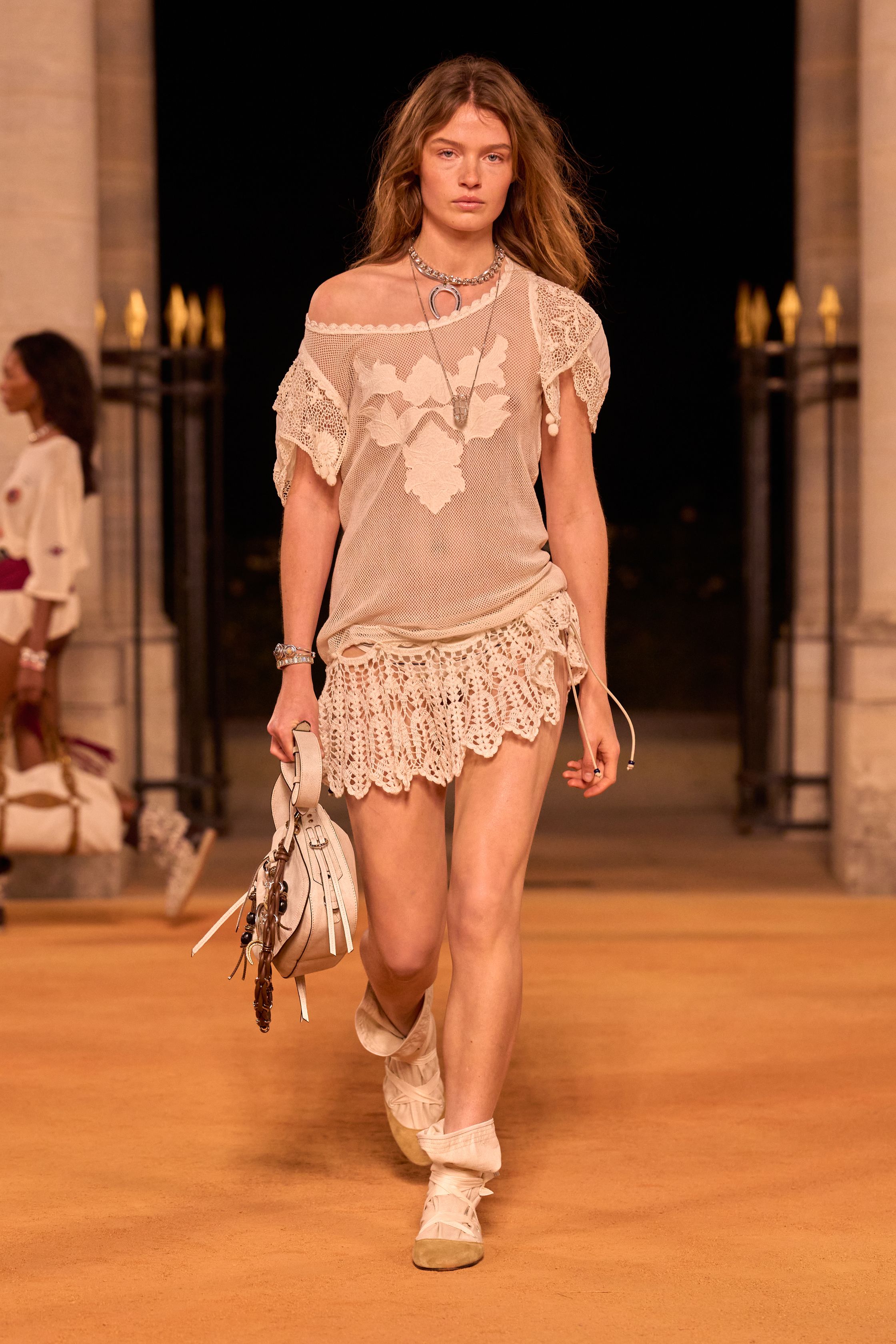
The close of 2025 thus reads as a field of experimentation where identity, cultural memory, and technology coexist alongside conceptual and deeply personal proposals. It was a year in which, rather than shouting, fashion paused to think, unfolding narratives — at times subtle, at times radical — that offer clear signals of what may take shape in 2026.
The images accompanying this reflection distill the complexity of a period that, far from being dominated by a single trend, was built through tensions, reinterpretations, and gestures that already form part of contemporary aesthetic memory.

A medida que cerramos 2025 y miramos hacia 2026, queda claro que el año que termina no fue simplemente una sucesión de looks memorables. Fue un período en el que la moda reafirmó su capacidad para pensar, respirar y reconfigurarse sin urgencia. Lejos de un único “trend dominante”, 2025 se definió por la cohabitación estética, las resignificaciones históricas y los pulsos narrativos que dialogan tanto con el pasado como con el futuro.
Las pasarelas marcaron un equilibrio entre espectáculo y reflexión. Diseñadores en momentos de transición cerraron ciclos que habían redefinido casas enteras, como la etapa final de Demna al frente de Balenciaga. Su salida estuvo precedid por una serie de gestos clave, entre ellos la campaña Winter 2025 The Clients, fotogrfiadapor Juergen Teller en Biarritz, ants de su paso a Gucci y a la llegada de Pierpaolo Piccioli a la dirección creativa de la maison.
Este gesto de cierre y apertura instaló una pregunta editorial clave: ¿cómo continuar con una estética transformadora sin repetir las mismas fórmulas? En gran parte, la respuesta apareció en direcciones donde la moda se vuelve menos declaración y más gesto, menos estridencia y más construcción simbólica.
En esa línea, varias colecciones de 2025 y 2026 —como WE COME IN PEACE de Thom Browne SS26 o el show de Torishéju SS26 en Paris Fashion Week— exploraron los límites entre lo familiar y lo inesperado a través de códigos visuales precisos, narrativos y conceptuales.
Isabel Marant retomó el boho en París desde una lógica actualizada, entendida más como actitud que como archivo, mientras que Chanel deslumbró con un uso radical del espacio urbano al presentar su show en el metro de Nueva York. Gestos que evidencian un momento en el que la moda se observa a sí misma, resignifica contextos y dialoga con múltiples lenguajes culturales.
El cierre de 2025 se percibe así como un campo de práctica donde identidad, memoria cultural y tecnología convivieron con propuestas conceptuales y profundamente personales. Fue un año en el que, más que gritar, la moda pensó y desplegó narrativas —a veces sutiles, a veces radicales— que ofrecen pistas claras sobre lo que puede tomar forma en 2026.
Las imágenes que acompañan este balance condensan la complejidad de un período que, lejos de estar dominado por un solo “trend”, se construyó a partir de tensiones, reinterpretaciones y gestos que ya forman parte de la memoria estética contemporánea.