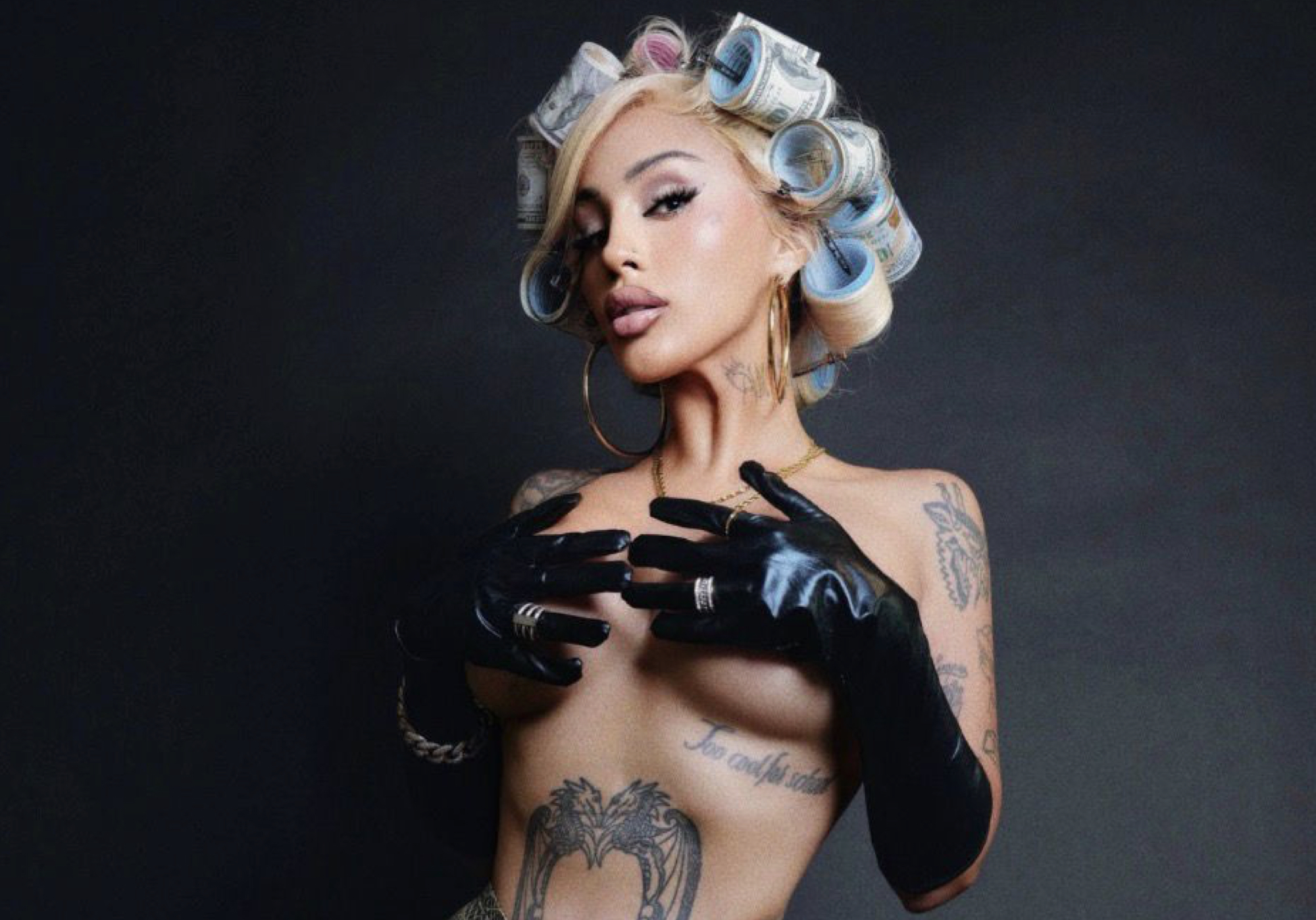


Some artists make music; others make culture. LIZZ belongs to the latter. From a scene born in the digital periphery to becoming a global reference of neoperreo, her trajectory goes beyond the artistic: it is a statement about the body, desire, and money as forms of power. In her narrative, perreo is a political act, a safe space for dissidence, and a way of building community. We spoke with her about female power, ambition, class, sexuality, love, and contradiction as identity.
Who is Lizz and who is Elisa? Do you separate your artistic self from who you are?
Over the years I realized they are not two separate people. LIZZ is the DJ, the figure everyone sees: the successful artist who fulfilled her dreams, who conquered the scene as a Latina DJ and woman, and who isn’t afraid of anything. Elisa, on the other hand, is the girl from the south of Chile who studied Art History, who grew up in a neighborhood with no money and worked relentlessly to get here. She is a thousand times more than I ever imagined I could become. I am much more than LIZZ and much more than Elisa. Sometimes I’m one, sometimes the other, sometimes both, sometimes everything or simply nothing. Every year I discover a new version of myself. For some I am LIZZ: the DJ, the slut, the inappropriate one. For others I am Elisa: the most intelligent person they’ve ever met. For others I’m trash… and I don’t care. I am a different version of myself every day, and I let myself be surprised by who I’m becoming, because just as places change, we do too.
You were foundational to neoperreo. At what point did you realize you were creating your own language?
When we created NEOPERREO — a subgenre of reggaetón — together with Tomasa del Real, we didn’t really know what we were doing. But I did realize that millions of people around the world, at the same time, were searching for new concepts, identities, and ideas, just like we were. It was born from boredom and creativity. Without fully intending to, NEOPERREO emerged through experimentation: we mixed sounds, images, parties, everything we loved. That constant search for identity ended up creating something much bigger than a subgenre. It became a way of dressing, doing makeup, expressing yourself. Tribal designs became a tattoo style, then merch, then sound — and also a safe space for everyone. People who felt they didn’t belong anywhere — outsiders, dissidents, freaks — found a space that wasn’t physical but digital: a web of connections across SoundCloud, Facebook, Fotolog, Flickr, and other platforms. Later I understood we weren’t trying to fit in. We were trying to un-fit from the world. To build a subculture. Today it’s a movement, a sound, a trend. It’s us — the freaks.
Nightlife appears constantly in your work: parties, clubs, bodies. What has it given you, and what has it taken from you?
The night has taken life, vitality, and health from me. I’ll probably die earlier than everyone else (lol, hopefully not). But at the same time, my work is my most stable relationship. It’s my child, my mother, my father — everything I never had. It’s my home. Thanks to the money I’ve earned — which I consider a blessing — I’ve been able to help my family and give jobs to people society didn’t value: talented people, friends from dissident communities, creatives who can’t find space because art in Chile is not a priority. If I have to die a hundred times and climb to the top wearing Pleasers, bleeding and exhausted, I’ll do it for myself and my people. The night is dark, but it’s also reflection. Going to a party is an act of resistance. Under dictatorship, social gatherings were forbidden because they implied thought and debate. Today a rave is resistance: connection, community, identity, cultural and political exchange. Nightlife goes beyond getting drunk. It’s a space where we can be ourselves and keep writing our story.
You’ve lived and performed in many places. Which scenes shaped you the most?
The UK scene marked me deeply. I currently work at Rinse FM in London — they are my family. The first time I felt I could truly be an artist was there, when I won a scholarship to study in Oxford. Coming from Hualpén, in southern Chile, where I couldn’t speak or express opinions because of a macho family environment, it was the first time I felt I could do whatever I wanted with my life, even without money. Los Angeles was also key. That’s where we started NEOPERREO parties in the U.S., and it became our second home. The audience began to understand perreo in a more abstract way, crossing it with electronic, techno, hardstyle, Latin Club, experimental reggaetón. I also love Berlin and Spain, where I currently host my party La Chismoteka in Madrid (SALA ART), Barcelona (RAZZMATAZZ), and Valencia (ROTO CLUB). The goal isn’t just to preach perreo; it’s to keep creating safe spaces rooted in community and family, where people feel free to be whoever they want — regardless of ethnicity, class, sexual orientation, language, or whether they “understand” the music. What matters is creating culture and fostering freedom of expression. The stranger, more uncomfortable and more unique, the better. I prefer something that captivates and scares me over something ordinary.
.jpeg)
Who are you when no one is watching?
I’m a little girl watching cartoons, smoking weed, eating junk food, spending time with my boyfriend, talking nonsense, imagining life. I think we’re all children when no one sees us — children in adult bodies trying to understand this horribly beautiful game called life.
What is your relationship with your image today?
I think it’s the first time in my life that it feels healthy. For many years I was very harsh with my body and myself. I hated having a big ass or curves. I felt ashamed of my Latina body because that’s what society teaches you — to aspire to an impossible stereotype. At home they told me I was fat, that I shouldn’t eat, that I had to weigh 45 kilos — outdated, fatphobic generational comments. I’m happy to belong to a generation where those things matter less. I live my body, my sexuality, my sensuality, and my beauty from my own perspective. I love exploiting my sexuality, wearing little clothing, having people stare at me in the street while my ass bounces, having videos taken of me in clubs while I dance reggaetón because it bounces even more. Simple as that. Everything I do is about sex and my body or my image, because to me sex is power. All my creativity and love for what I do comes from there. Making money is sex energy for me. Selling an idea, doing advertising, the clothes I wear, my image, my face, my art — it all comes from that. I feel like a Venus. My body, my eroticism — that’s feminine power, from where I live, explore, and channel everything I create.
Tell us about the new track with Marc3la. How did it start?
I’ve known Marcela for years. We’re two girls from Concepción, which already says a lot — from the end of the world near Antarctica. We met in school, had many mutual friends. She dreamed of working in fashion; I went into art and music. Eventually our careers kept intersecting — editorials, magazines, Fashion Week, events, concerts. She’s basically family. When she asked me to make a song together I said OF COURSE YES. She’s also worked with Pablo Chill-E, Julianno Sosa, Mala Rodríguez, among others. I said yes immediately because she’s like my sister, and I was surprised by her talent — I had never seen that side of her. The song is romantic, which feels right because she’s in love and so am I. The funniest part is that I speak terrible French and she had to explain several times how to pronounce one line for the chorus (lol).
In what situations do you feel most vulnerable?
In love. That’s it. Everything else I don’t care about. I’m not afraid of anything, but in love I’m no longer brave. It’s the only place where I feel my world could collapse. I guess we all have that one thing that makes us feel small and defenseless — for me it’s love. I think many people have a very different image of me: a strong, fierce woman who walks into a room and everyone stares, someone who has everything under control. And yes, I am that person. But the only thing I don’t control is my heart. That’s where I fall apart. I am eternally in love with love. DJ LIZZ — Elisa Espinoza De Vera — loves love and lives for it. Everything I do is out of love for the people I love, for my work, for art. Without love I am no one. Without it I have no desire, no reason to live.
In 2020 you wrote “Esa niña quiere.” Five years later, what does that girl want now?
She wants love, sex, money, and perreo. But above all, she wants to keep doing the impossible.
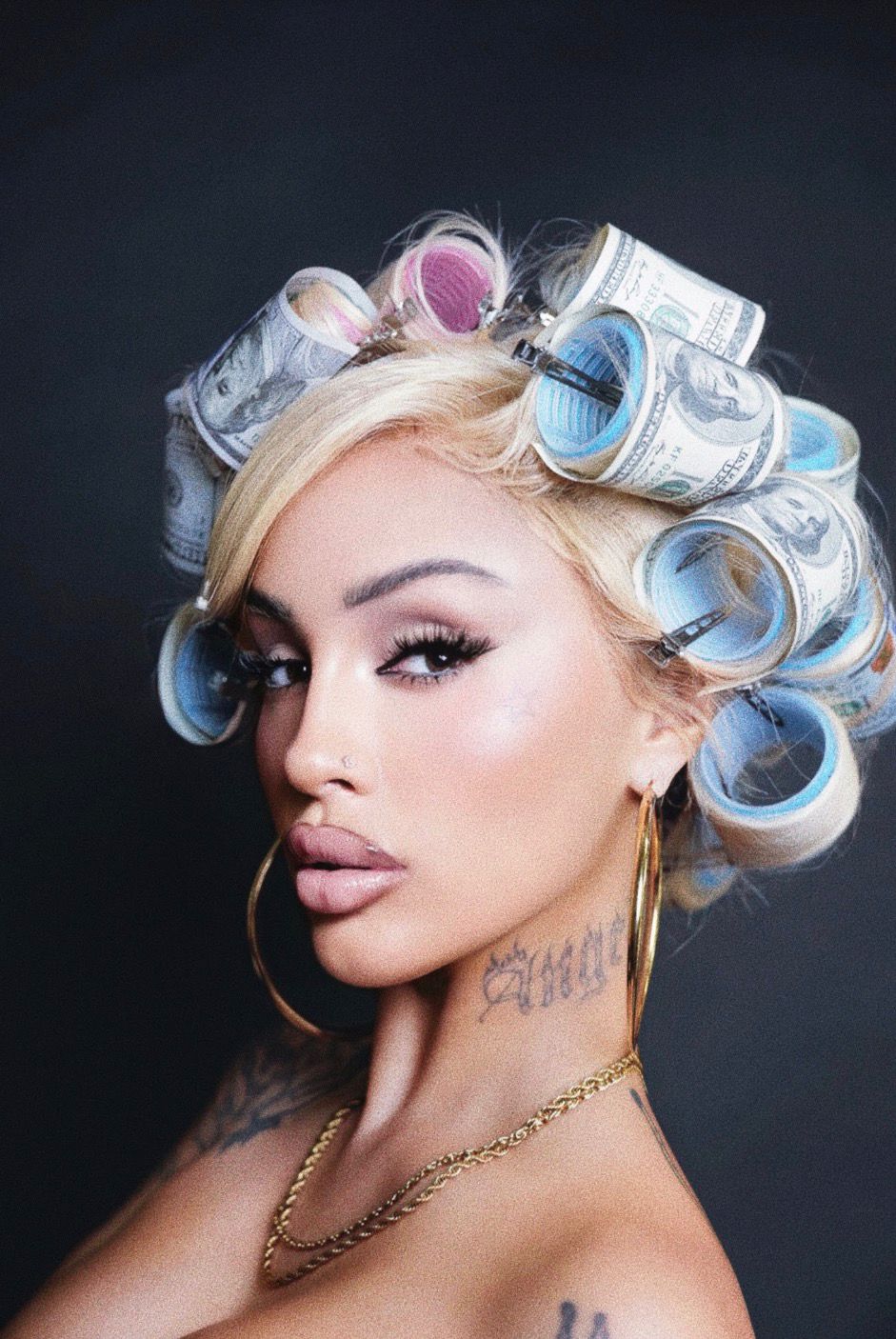
Hay artistas que producen música y otras que producen cultura. LIZZ pertenece a la segunda categoría. Desde una escena nacida en la periferia digital hasta convertirse en referente global del neoperreo, su recorrido supera lo meramente artístico: es una declaración sobre el cuerpo, el deseo y el dinero como formas de poder. En su narrativa, el perreo es un acto político, un espacio seguro para disidencias y una forma de construir comunidad. Hablamos con ella sobre poder femenino, ambición, clase, sexualidad, amor y la contradicción como identidad.
¿Quién es Lizz y quién es Elisa? ¿Te separas de tu yo artístico?
Con los años entendí que no son dos personas separadas. LIZZ es la DJ, la figura que todes ven: la artista exitosa que cumplió sus sueños, que conquistó la escena siendo DJ latina y mujer, y que no le tiene miedo a nada. Elisa, en cambio, es la chica del sur de Chile que estudió Historia del Arte, que viene de un barrio sin un peso y trabajó incansablemente para llegar hasta acá. Es mil veces más de lo que algún día pensé que podía lograr. Soy mucho más que LIZZ y mucho más que Elisa. A veces soy una, a veces la otra, a veces ambas, a veces todo o simplemente nada. Cada año voy conociendo una nueva versión de mí. Para algunos soy LIZZ: la DJ, la puta, la desubicada. Para otros soy Elisa: la persona más inteligente que han conocido. Para otros soy basura… y me da lo mismo. Soy una versión distinta cada día y me dejo impresionar por la persona en la que me voy convirtiendo, porque así como los lugares cambian, nosotros también.
Fuiste parte fundacional del neoperreo. ¿En qué momento te diste cuenta de que estabas creando un lenguaje propio?
Cuando creamos el NEOPERREO —subgénero del reggaetón— junto a Tomasa del Real, no sabíamos realmente lo que estábamos haciendo. Pero sí me di cuenta que millones de personas en el mundo, al mismo tiempo, estaban buscando nuevos conceptos, identidades e ideas, como nosotras. Nació desde el ocio y la creatividad. Sin querer queriendo, el NEOPERREO surgió de la experimentación: mezclamos sonidos, imágenes, fiestas, todo lo que nos gustaba. Esa búsqueda incesante de identidad terminó creando algo que fue mucho más que un subgénero. Se volvió una forma de vestir, maquillarse, expresarse. Los tribales pasaron a ser un estilo de tatuaje, luego merch, luego sonido, y también un espacio seguro para todas, todes y todos. Gente que sentía que no encajaba en ningún lugar —alternativos, disidencias, frikis— encontró un espacio que no era físico, sino digital: una telaraña de conexiones en SoundCloud, Facebook, Fotolog, Flickr y otras redes. Después entendí que no estábamos buscando encajar en algo, sino desencajar del mundo. Crear una subcultura. Hoy es un movimiento, un sonido, una tendencia. Somos nosotrxs, lxs frikis.
La noche aparece mucho en tu trabajo: fiestas, clubs, cuerpos. ¿Qué te da y qué te quita?
La noche me ha quitado vida, vitalidad y salud. Probablemente voy a morir antes que el resto (lol, espero que no). Pero al mismo tiempo mi trabajo es mi relación más estable. Es mi hijo, mi madre, mi padre, es todo lo que nunca tuve. Es mi hogar. Gracias al dinero que he ganado —que considero una bendición— he podido ayudar a mi familia y darle trabajo a personas que la sociedad no consideraba, gente talentosa, amigues de las disidencias, creativxs que no encuentran espacio porque el arte en Chile no es prioridad. Si tengo que morir cien veces y llegar a la cima con los Pleaser puestos, sangrando y cansada, lo voy a hacer por mí y por mis compañerxs. La noche es oscura, pero también es reflexión. Ir a una fiesta es un acto de resistencia. En dictadura no podían haber encuentros sociales porque implicaban pensamiento y debate. Hoy una rave es resistencia: es conexión, comunidad, identidad, intercambio cultural y político. La noche va más allá de emborracharse. Es un espacio donde podemos ser nosotrxs mismxs y seguir escribiendo nuestra historia.
Viviste y tocaste en muchos lugares del mundo. ¿Qué escenas te marcaron?
La escena de Inglaterra me marcó profundamente. Trabajo actualmente en Rinse FM en Londres, son mi familia. La primera vez que sentí que podía ser artista fue ahí, cuando gané una beca para estudiar en Oxford. Viniendo de Hualpén, en el sur de Chile, donde no podía opinar ni hablar por un contexto familiar machista, fue la primera vez que sentí que podía hacer lo que quisiera con mi vida, aunque no tuviera dinero. Los Ángeles también fue clave. Allí empezamos las fiestas de NEOPERREO en Estados Unidos y se volvió nuestra segunda casa. El público empezó a entender el perreo desde un lugar más abstracto, cruzado con electrónica, techno, hardstyle, Latin Club, reggaetón experimental. También me encanta Berlín y España, donde actualmente hago mi fiesta La Chismoteka en Madrid (SALA ART), Barcelona (RAZZMATAZZ) y Valencia (ROTO CLUB). El objetivo no es solo predicar el perreo, es seguir creando espacios seguros en comunidad y familia, donde la gente se sienta libre de ser quien quiera, sin importar etnia, clase social, orientación sexual, si hablan español o no, si entienden la música o no, ya que lo único que importa es crear cultura y fomentar la libertad de expresión siendo tú mismx. sino crear espacios seguros donde la gente sea libre de ser quien quiera ser. Mientras más raro, incómodo y único, mejor. Prefiero algo que me cautive y me asuste antes que algo cotidiano.
.jpeg)
¿Quién sos cuando nadie te está mirando?
Soy una niña viendo caricaturas, fumando marihuana, comiendo comida chatarra, pasando tiempo con mi novio, hablando estupideces, imaginando la vida. Creo que todos somos niños cuando nadie nos ve: niños en cuerpos adultos jugando a entender este juego horriblemente hermoso que es la vida.
¿Cómo es tu relación con tu imagen hoy?
Creo que es la primera vez en mi vida que ha estado bien. Durante muchos años fui muy dura con mi cuerpo y conmigo misma, me molestaba tener el culo muy grande o tener curvas, me molestaba y avergonzaba mi cuerpo latino, ya que finalmente eso es lo que se encarga la sociedad de hacer, imponer un estereotipo de mujer imposible de lograr para muchas. En mi casa me decían que estaba gorda, que no tenía que comer, que tenía que pesar 45 kilos; comentarios anticuados de generaciones pasadas gordofóbicas. Estoy feliz de pertenecer a una generación donde esas cosas ya
no importan. Yo vivo mi cuerpo, mi sexualidad, mi sensualidad y mi belleza desde mi vereda, me gusta explotar mi sexualidad, usar poca ropa, que la gente me mire en la calle mientras me rebota el culo y que me hagan videos en el club mientras bailo reggaeton porque ahí me rebota el culo aún más.. así de simple. Todo lo que hago tiene que ver con sexo y mi cuerpo o mi imagen básicamente, porque para mí el sexo es poder y toda mi creatividad y amor por lo que hago viene de ahí. Hacer dinero para mi es sex energy, vender una idea, hacer publicidad, la ropa que utilizo, mi imagen, mi cara, mi arte.. todo viene desde ahí. Me siento como una Venus, mi cuerpo, mi erotismo, todo eso es poder femenino, desde donde yo vivo, exploro y canalizo mi imagen y todo lo que hago.
Cuéntanos sobre el nuevo track con Marc3la ¿Cómo empezó?
A Marcela la conozco de hace mucho, somos dos chicas de Concepción y eso ya dice todo, desde el fin del mundo cerca de la Antártica. Nos conocimos en la escuela, teníamos muchos amigos en común y ella tenía el sueño de dedicarse a la moda, yo me fui por el arte, la música, y al final nuestras carreras empezaron a juntarse una y otra vez por editoriales, revistas, Fashion Week, eventos, conciertos, y básicamente es mi familia. Cuando me dijo que hiciéramos una canción le dije CLARO QUE YES. Ella también estuvo haciendo música con Pablo Chill-E, Julianno Sosa, Mala Rodríguez, entre otrxs. Le dije inmediatamente que sí, porque es como mi hermana y me sorprendió su talento, ya que nunca había visto esa faceta de ella. La canción es romántica y viene superbien porque ella está muy enamorada y yo también. Lo más interesante es que yo hablo pésimo francés y me tuvo que explicar varias veces cómo pronunciar una frase para el coro (lol)
¿En qué situaciones sentís que sos más vulnerable?
En el amor. Es lo único. Todo lo demás me da lo mismo. No le tengo miedo a nada, pero en el amor ya no soy valiente. Es la única situación donde siento que mi mundo se podría acabar. Supongo que todos tenemos ese “algo” que nos hace sentir pequeñxs e indenfensxs y para mí es en el amor. Siento que mucha gente tiene una imagen de mí muy distinta, una mujer fuerte, cabrona que camina o entra a un lugar y que todo el mundo la queda mirando y que no le importa nada, porque que tiene todo bajo control. Y sí, soy esa persona, pero lo único que no tengo bajo control son mis sentimientos, mi corazón, porque ahí me desarmo. Soy una eterna enamorada del amor. DJ LIZZ - Elisa Espinoza De Vera - es alguien que ama el amor y vive por él. Todo lo que hago es por amor a quienes amo, a mi trabajo y al arte. Sin amor no soy nadie, sin el no tengo ganas ni razón de vivir.
En 2020 escribiste “Esa niña quiere”. Cinco años después, ¿qué quiere esa niña hoy?
Quiere amor, sexo, dinero y perreo. Pero, sobre todo, quiere seguir haciendo lo imposible.
.jpeg)
PHOTOGRAPHY: ROCIO AGUIRRE @rocioaguirrev
POST: RODLAB @rodlabstudios
HAIR & MAKE-UP: MUGGER @muggerrr
STYLING: CATALINA FERNÁNDEZ @catafernandez2k
CASTING DIRECTOR: MARCELA MEIGNAN @marcelamayorgameignan