
Gagosian Paris’s new exhibition brings filmmaker Wes Anderson into dialogue with the universe of American artist Joseph Cornell, master of the shadow box and of an imagination built from found objects. It is from that intersection—between two ways of ordering the world—that the central question emerges:
What does it mean to reconstruct a studio that is no longer there?
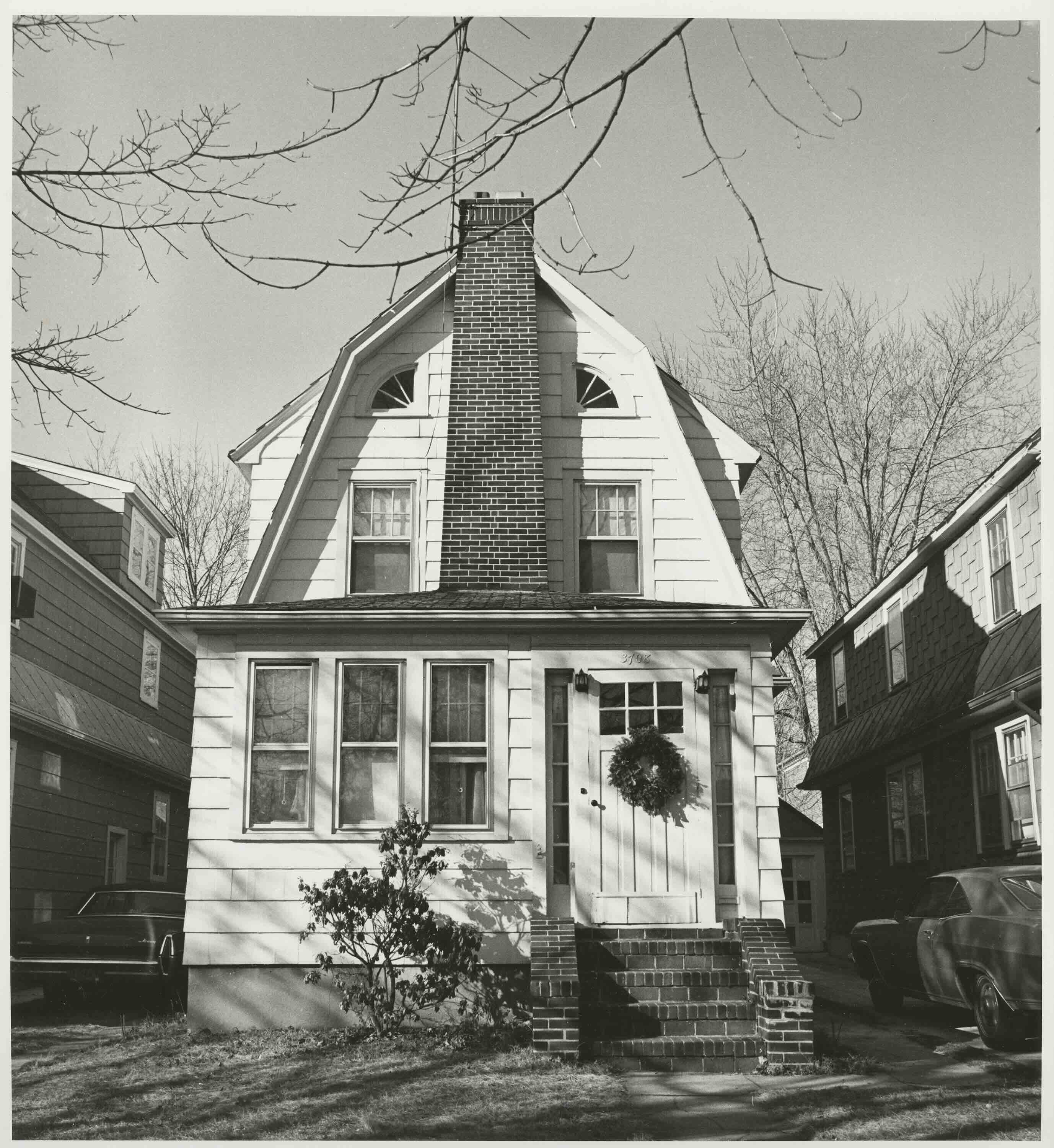
Some studios survive in photographs or memories; others—rarer—exist only in the imagination. Cornell’s belongs to that latter realm: a basement in Queens transformed into a mental geography rather than a physical space.

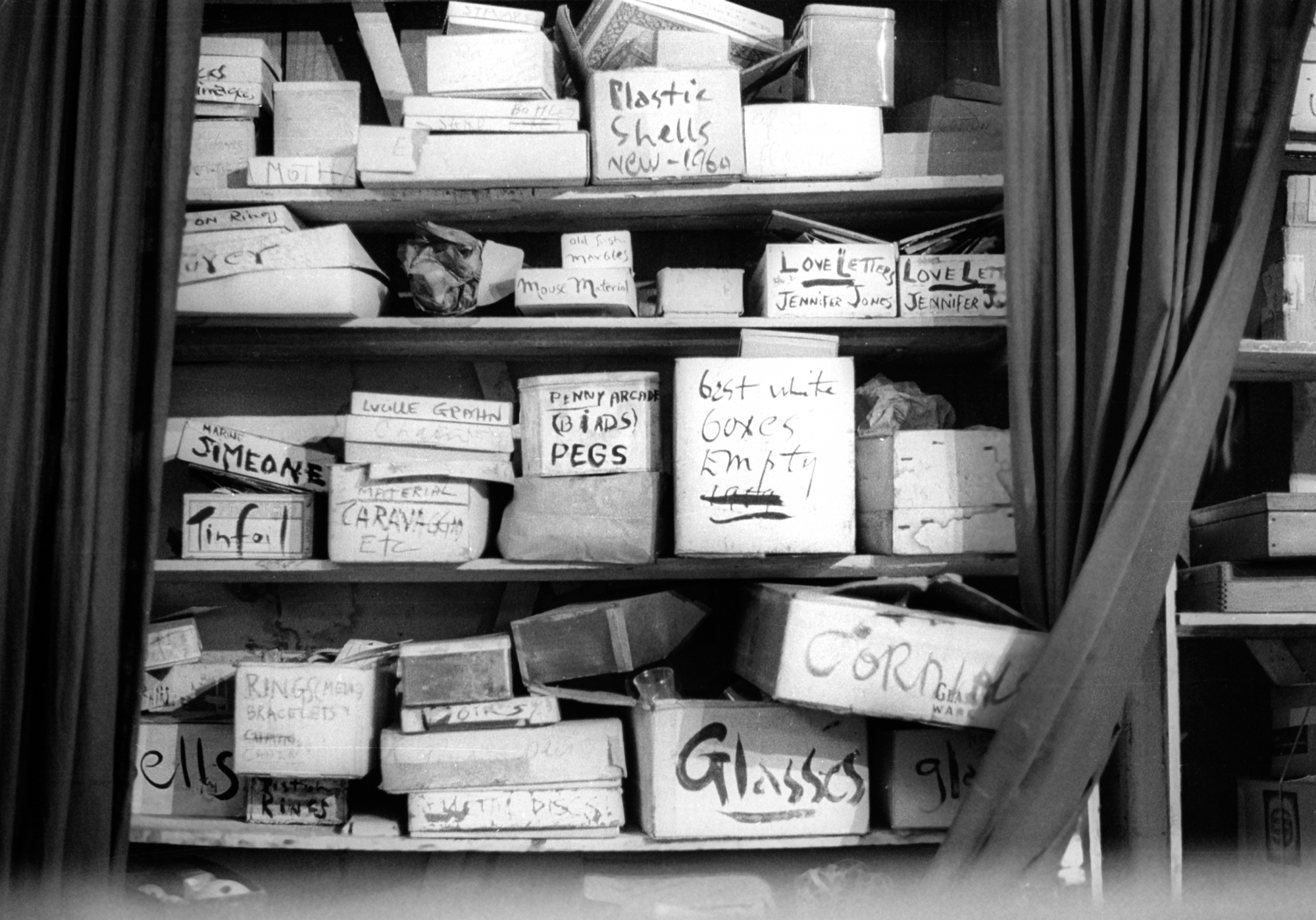
Wes Anderson and curator Jasper Sharp avoid nostalgic replica. What they propose at Gagosian Paris is something else: a scenographic thought. A life-size box where more than three hundred objects from Cornell’s “spare parts department” reveal their internal logic without explaining it. Anderson does not illustrate the artist; he reorganizes his universe so that the gaze can be reactivated.

In that shift, the absence of the original studio ceases to be a void and becomes material. The distance between Queens and Paris does not subtract but generates a renewed reading: the affinity between two ways of building worlds out of fragments.
“The House on Utopia Parkway: Joseph Cornell’s Studio Re-Created by Wes Anderson” opens December 16, 2025 at Gagosian Paris (9 rue de Castiglione).
La nueva muestra de Gagosian París reúne al cineasta Wes Anderson con el universo del artista estadounidense Joseph Cornell, maestro de las shadow boxes y de un imaginario construido a partir de objetos encontrados. Es desde ese cruce —entre dos formas de ordenar el mundo— que se despliega la pregunta central:
¿Qué significa reconstruir un estudio que ya no está?
Algunos estudios sobreviven en fotos o recuerdos; otros —los menos— solo existen en la imaginación. El de Joseph Cornell pertenece a esa última zona: un sótano en Queens convertido en geografía mental más que en espacio físico.
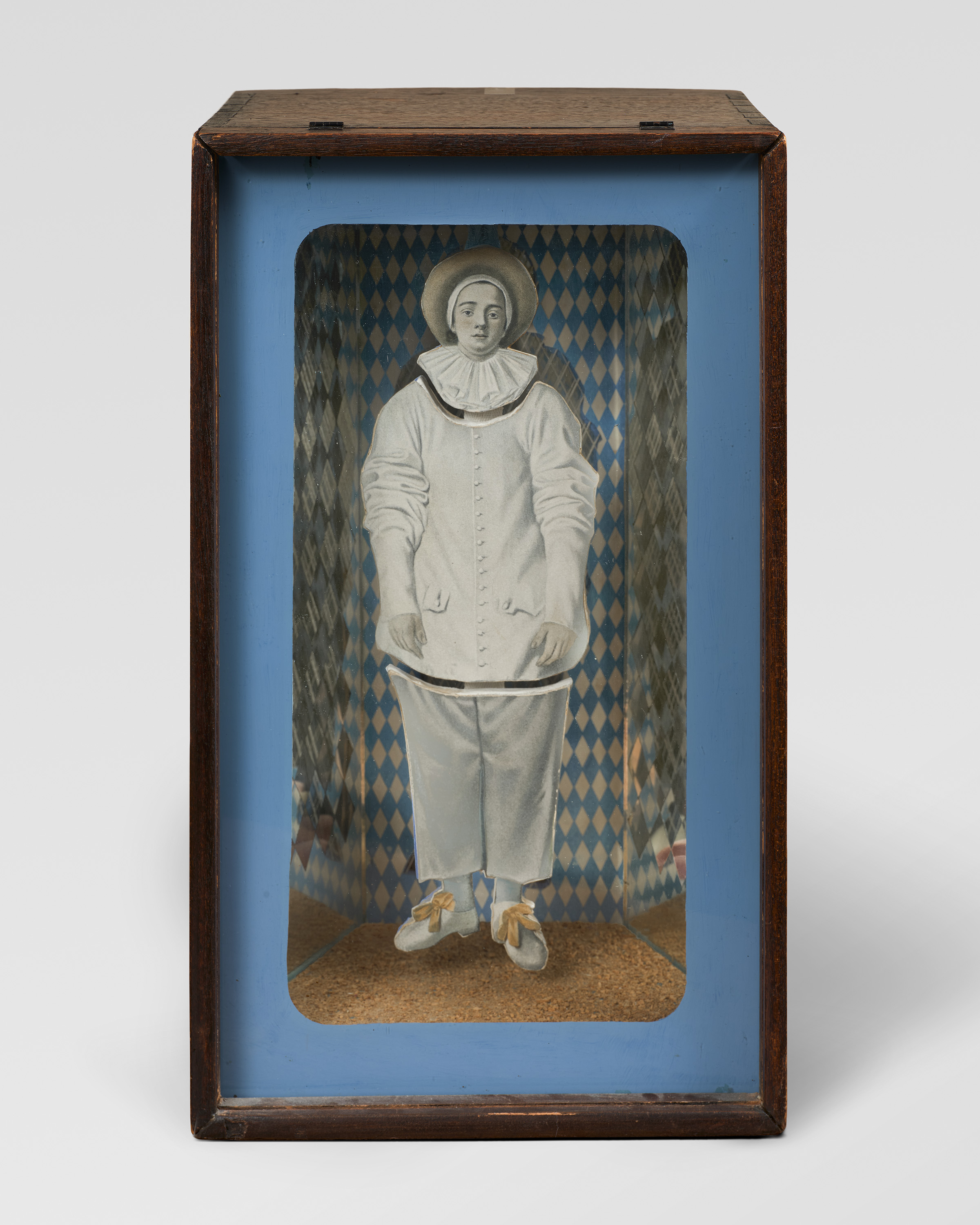
Wes Anderson y el curador Jasper Sharp evitan la réplica nostálgica. Lo que proponen en Gagosian París es otra cosa: un pensamiento escenográfico. Una caja a escala real donde más de trescientos objetos del “departamento de repuestos” de Cornell revelan su lógica interna sin explicarla. Anderson no ilustra al artista; reorganiza su universo para que la mirada vuelva a activarse.

En ese movimiento, la ausencia del estudio original deja de ser un vacío y se convierte en materia. La distancia entre Queens y París no resta, sino que produce una lectura renovada: la afinidad entre dos modos de construir mundos a partir de fragmentos.
“The House on Utopia Parkway: Joseph Cornell’s Studio Re-Created by Wes Anderson” abre el 16 de diciembre de 2025 en Gagosian París (9 rue de Castiglione).