
By Marcela Meignan
A woven surface has two lives on a screen. At a distance, it becomes a pattern: something the eye can register almost instantly. Move closer and the pattern breaks into crossings, intervals and changes of tension. The object begins to ask a different kind of attention. What looked like decoration becomes evidence of decisions.
That shift is a useful way into The Room, the LOEWE FOUNDATION’s online platform for artists nominated for its Craft Prize. The prize creates a moment of recognition; the archive offers somewhere to return after that moment has passed. Looking through it means exchanging the question of who won for a more patient one: how does this thing hold together?
After the deadline, before the announcement
Entries for the tenth LOEWE FOUNDATION Craft Prize closed on 15 October 2026. The foundation says the award and an exhibition of shortlisted work will take place in Milan in spring 2027. This is an interval, rather than a new call for applications. It leaves room to look beyond the next result.
A prize compresses many practices into a shortlist. An archive can reopen them. Its value lies in the possibility of moving sideways: from one artist to another, from a textile to a work in paper, from a name encountered in a headline to a body of work that cannot be understood through a single image.
The textile as a way of reading
On Saar Scheerlings’s artist page, works from the Talisman Sculpture series are classified as textiles. Titles including The Column and The White One V sit alongside multiple untitled pieces. That simple act of naming makes an interesting demand on the viewer: to consider textile as a medium capable of occupying space, rather than automatically imagining a flat surface or a garment.
For a fashion reader, the distinction matters. We are trained to look for the silhouette first, then the detail that confirms a season or a house. Looking at a textile object allows another sequence. Start with the surface. Follow where an edge turns. Ask whether repetition produces rigidity or softness. A material can carry structure before it carries a recognisable style.
These are questions for looking, not a substitute for technical documentation. A photograph cannot tell us exactly how an object was made unless the accompanying information supplies that knowledge. The impression of weight is not weight itself; visible texture is not the experience of touch.
What the screen gives, what it withholds
A digital catalogue makes comparison easy. Works that would be separated by distance can be placed beside one another in the mind. An artist’s name can become a route into unfamiliar practices. The Room’s filters, including material categories, country or region and gallery, also make clear that an archive is organised: it does not simply contain things, it gives us ways to find them.
Every route privileges something. Search by material and an unexpected relationship may appear; search by geography and another reading becomes possible. Neither category is the whole work. The useful viewer is the one willing to change the question.
The screen also removes resistance. It cannot reproduce the effort of walking around an object, the change in scale as we approach it, or the way a surface responds to shifting light. The most revealing digital encounter may therefore be the one that leaves us aware of what we have yet to see.
Patronage is part of the frame
This platform belongs to a cultural foundation connected to LOEWE. Its relationship to a fashion house is part of the context through which the work becomes visible. Supporting artists and building a cultural language around a house can happen within the same institution.
For REGIA, that is a reason to keep both the maker and the frame in view. An object should not become merely an illustration of a luxury brand’s commitment to craft. Nor should the presence of a brand prevent us from taking the object seriously. The better encounter begins when we follow the artist beyond the award, and allow a material to interrupt our usual speed of looking.
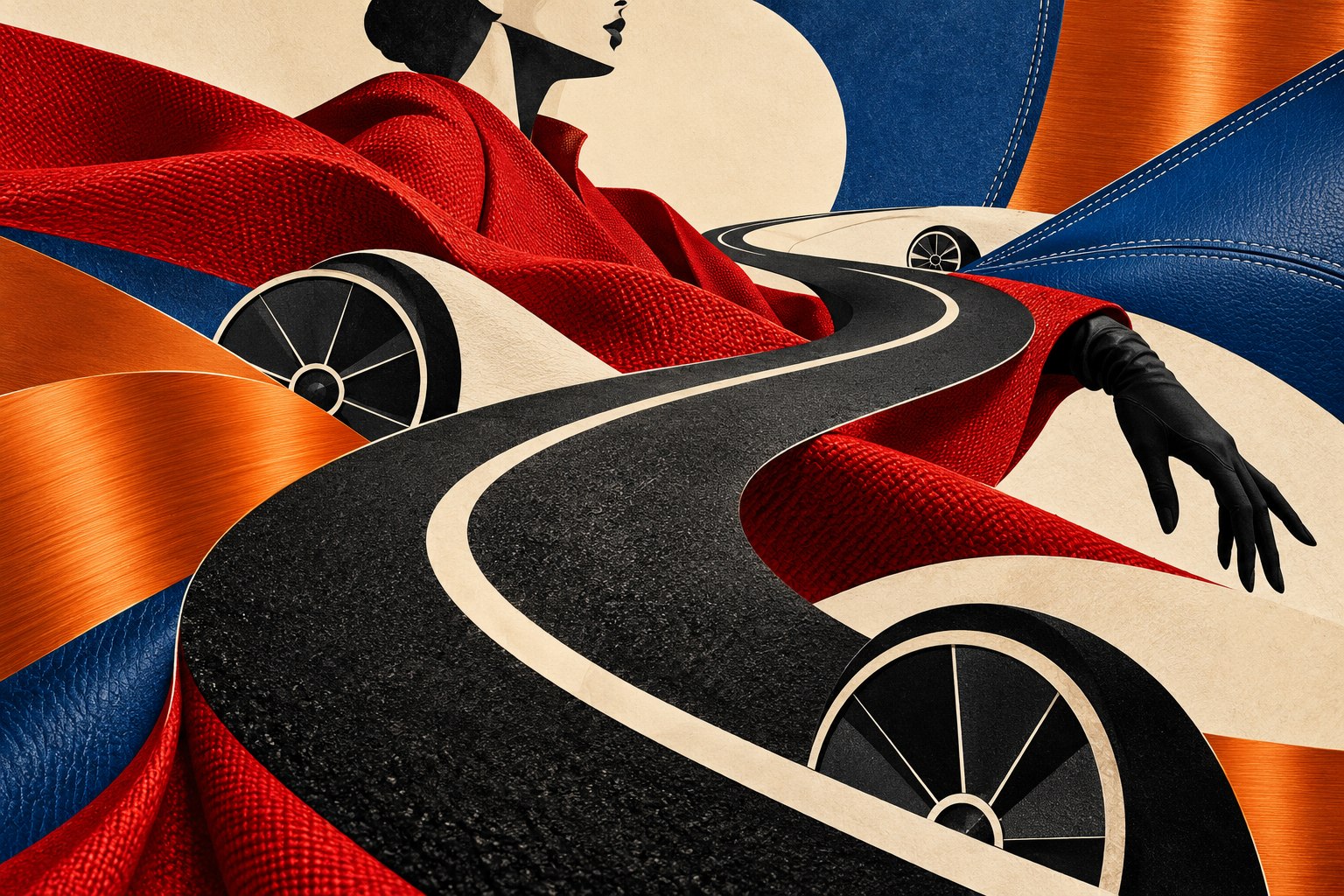
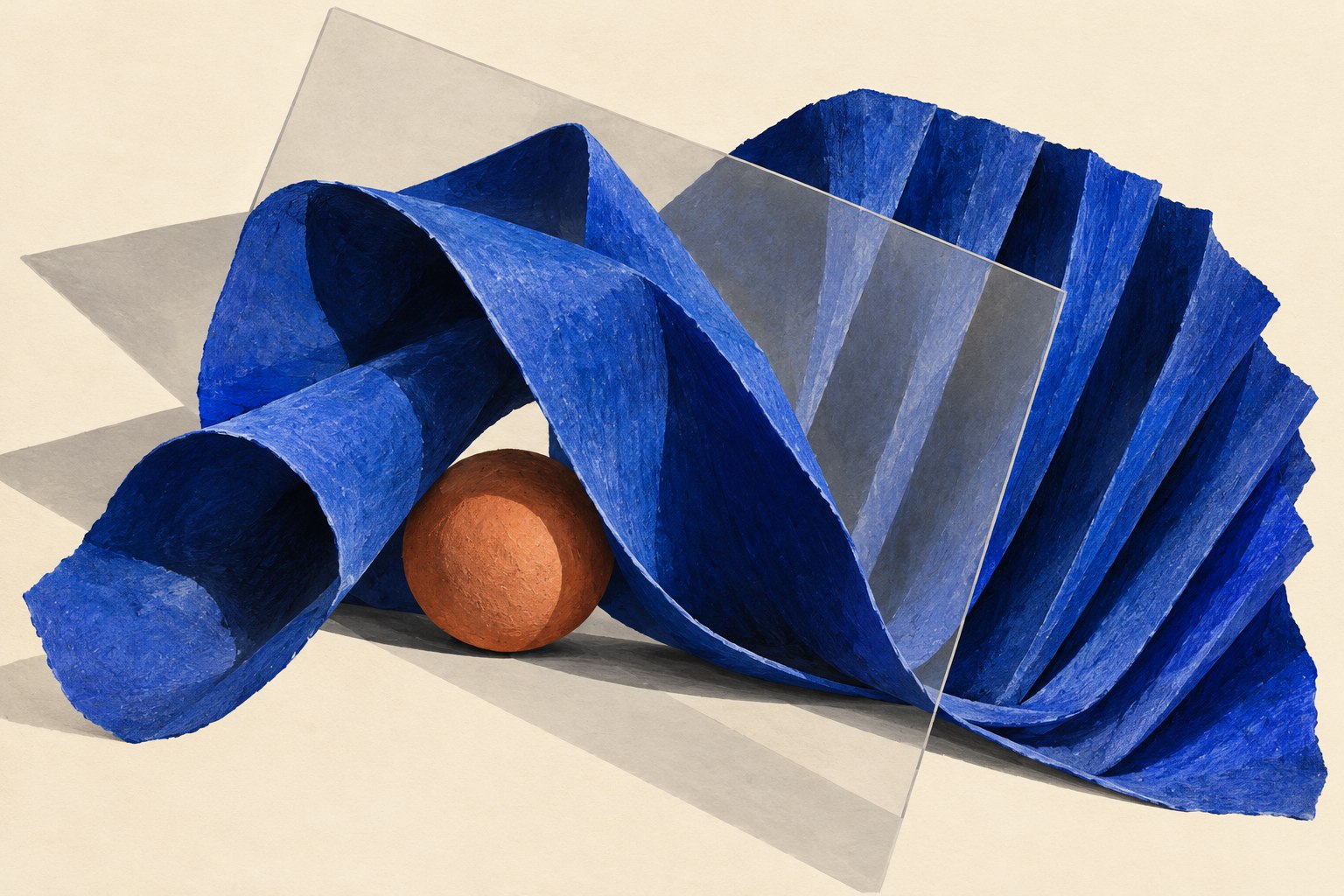
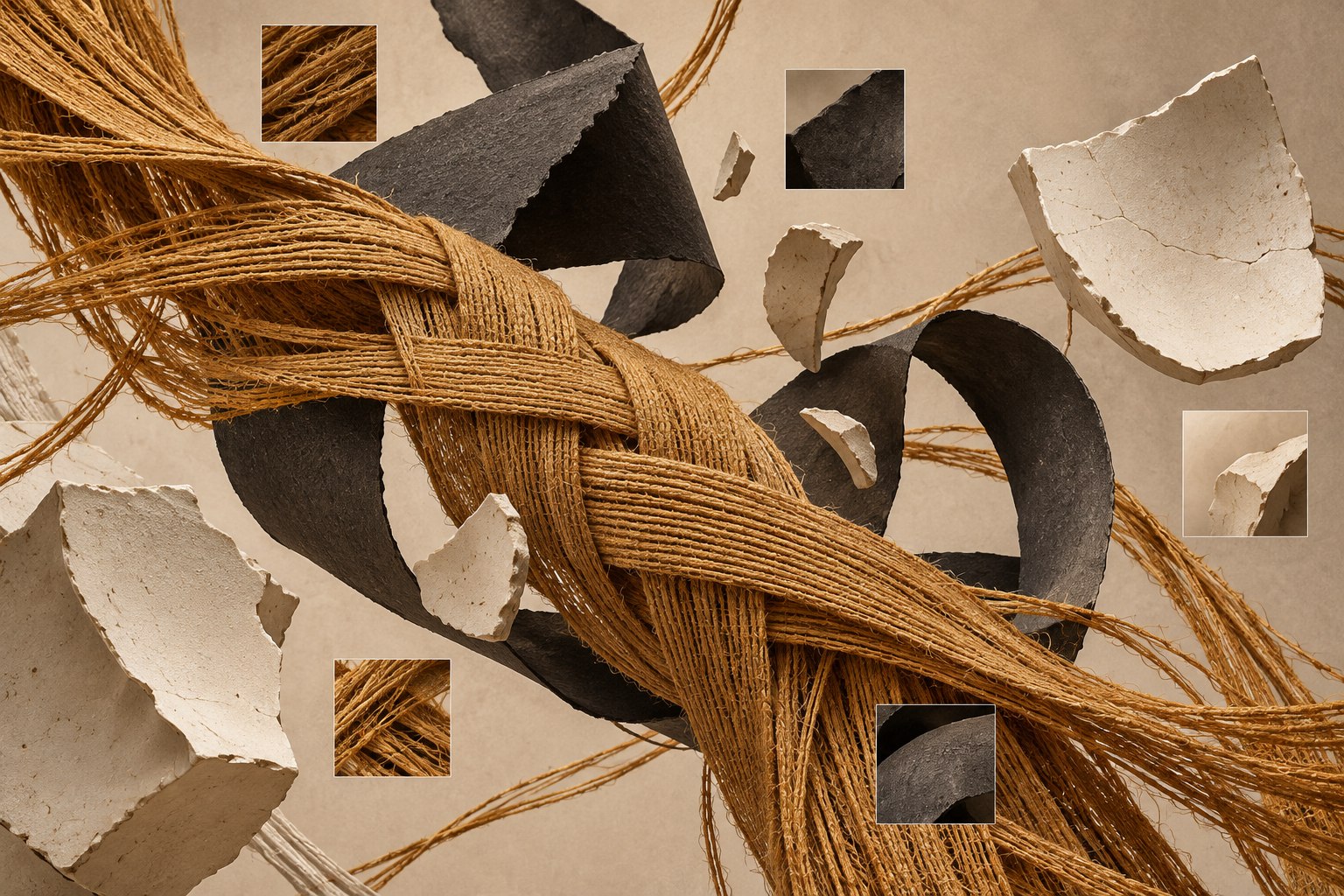
Visual: original REGIA conceptual illustration, created with AI assistance. Invented abstract materials; it does not reproduce a LOEWE product, an artist’s work or an exhibition installation.
Sources & links
- LOEWE FOUNDATION — The Room: platform, artists and catalogue filters.
- LOEWE FOUNDATION Craft Prize 2027 — deadline, tenth edition and spring 2027 plans.
- Saar Scheerlings — artist page and Talisman Sculpture works.
- LOEWE — official house website.
Based on the official online resources consulted on 30 October 2026. The readings of display, material and patronage are editorial analysis; no interview or visit is implied.