
There is something strange about the pleasure of looking at someone who doesn't know they're being watched. Perhaps it has less to do with what we see than with the feeling of having gained access to something that isn't ours. An involuntary gesture, a distracted body, an expression that hasn't yet become a pose. The promise of intimacy without witnesses, even when someone is standing behind the camera.
Looking is one of desire's most discreet forms. It requires no contact, no reciprocity. We can linger over a face, trace the contours of a body, invent an entire story from a moment about which we know almost nothing. The gaze moves closer while keeping its distance. It offers a peculiar kind of intimacy, one that asks nothing of us in return.
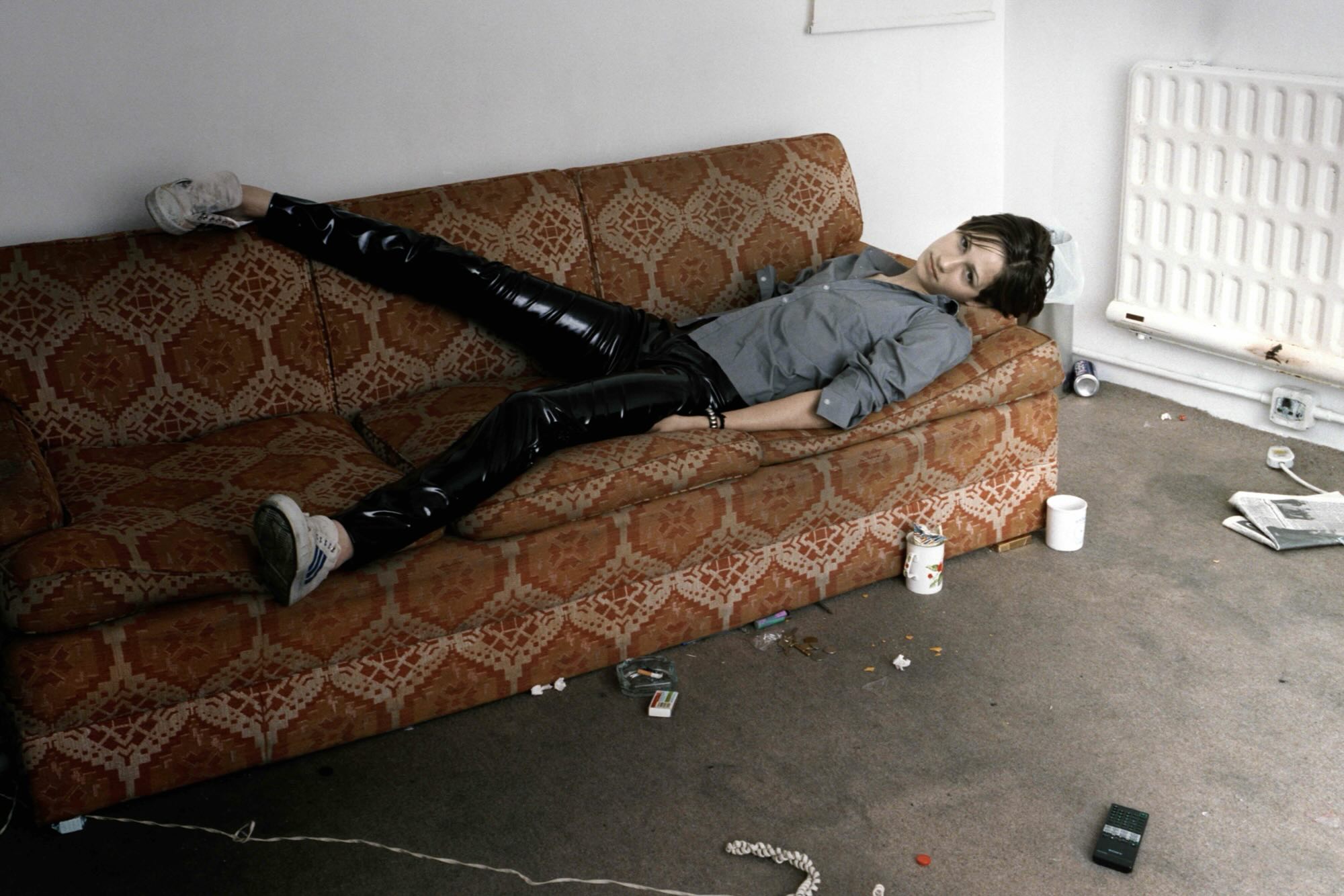
Fashion photography has long understood this contradiction. For decades, it constructed images designed to seduce through perfection: controlled bodies, carefully composed settings, gestures that seemed to exist solely to be looked at. Then another kind of image began to challenge that visual language. Skin no longer appeared immaculate; interiors felt almost uncomfortably real; bodies looked tired, distracted, vulnerable. The camera seemed to arrive before the pose, catching something that had not yet learned how to represent itself.
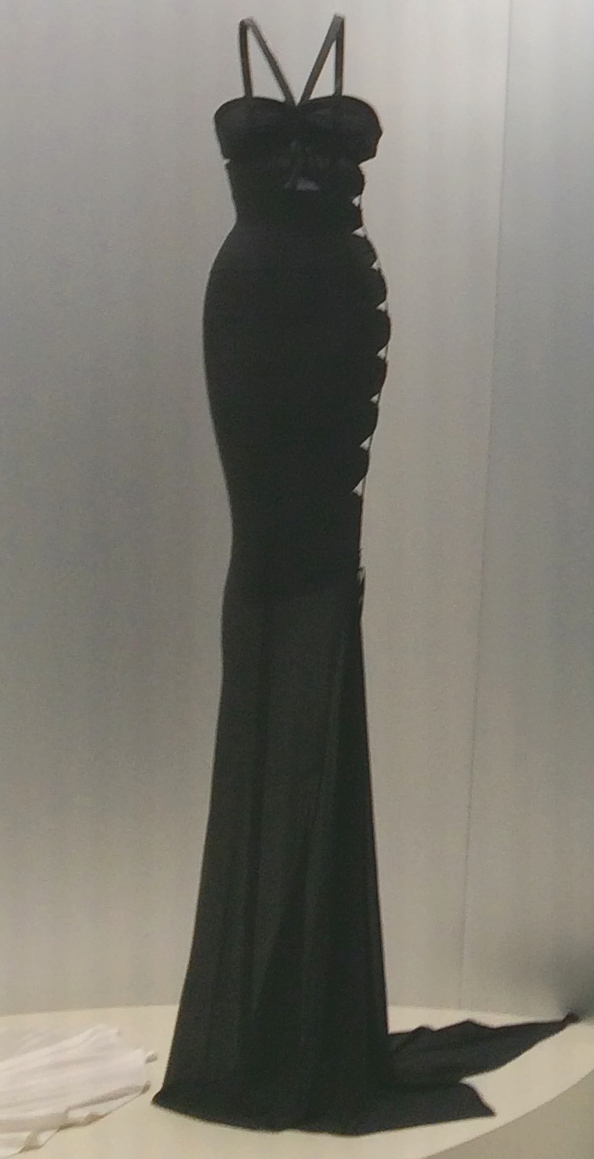
The 90s: Art and Fashion, the exhibition at Tate Britain curated by Edward Enninful, brings together elements of this transformation. Photographs by Corinne Day, Juergen Teller and David Sims appear alongside paintings, sculptures, fashion, film and works by artists including Sarah Lucas, Steve McQueen and Chris Ofili. The exhibition revisits a decade in which the boundaries between art, fashion and popular culture became increasingly porous. Clothing was no longer simply an object of desire. It became a language through which to explore the body, identity, artifice and the limits of what was considered acceptable.
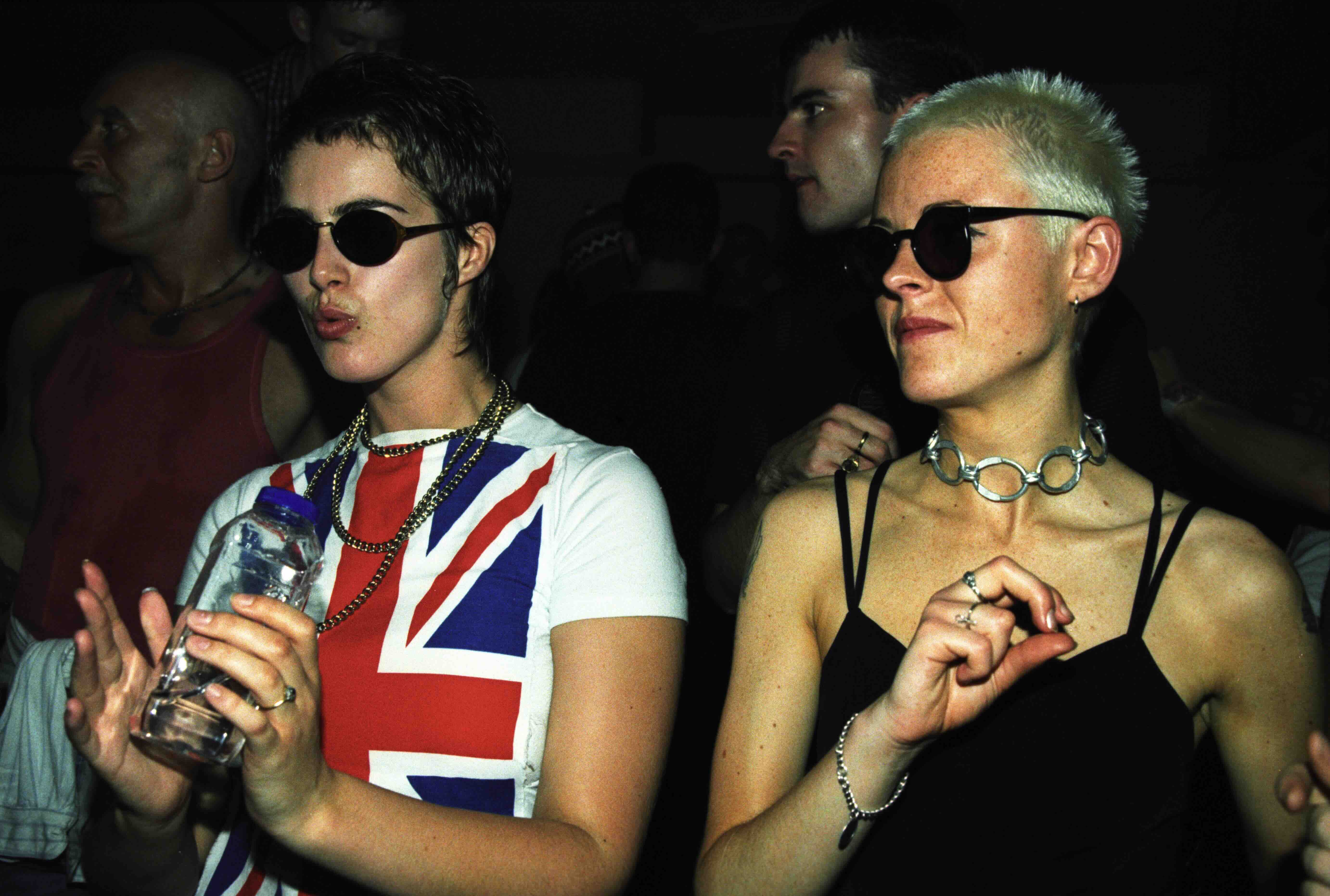
But perhaps what endures in those images is not merely their aesthetic. It is their uncertainty. We cannot always tell whether we are looking at an intimate scene or a carefully constructed version of intimacy; whether someone is revealing themselves or has, for a moment, stopped performing. Spontaneity can be as sophisticated a form of staging as any other. Imperfection, too, can become a style. An image that appears to escape convention may eventually come to define the conventions of an entirely new era.
The question, then, is not whether those photographs were more authentic than the images we produce today. That would be too easy a comparison. Authenticity has never been something we could reliably identify in an image's grain, its blur or its apparent lack of artifice. What we recognise as truth may simply be an aesthetic we have learned to read as truthful.
What matters is our relationship to what we look at. A photograph can make us feel that we know someone when we have no real possibility of knowing them at all. It can turn another person's vulnerability into spectacle, intimacy into a commodity, distance into a form of possession. We do not need to touch what we desire. Sometimes, being able to look again is enough.
And yet looking is not necessarily an act of domination. It can also be a form of attention: lingering over a face, noticing what falls outside the centre of the frame, remaining with something without demanding an immediate explanation. Perhaps the difference lies not in the image itself, but in the position from which we look at it. Are we searching for confirmation of what we already believe, or are we willing to encounter something we cannot entirely decipher?
There is another, quieter shift that makes this question feel particularly contemporary. We have grown accustomed to observing our own lives from the outside. We do not simply experience something; we register how it looks, how it might be narrated, what image it will leave behind. The self becomes protagonist, spectator and editor all at once. Even in private, an imaginary gaze can intervene, accompanied by the awareness of how we might appear if someone were watching.
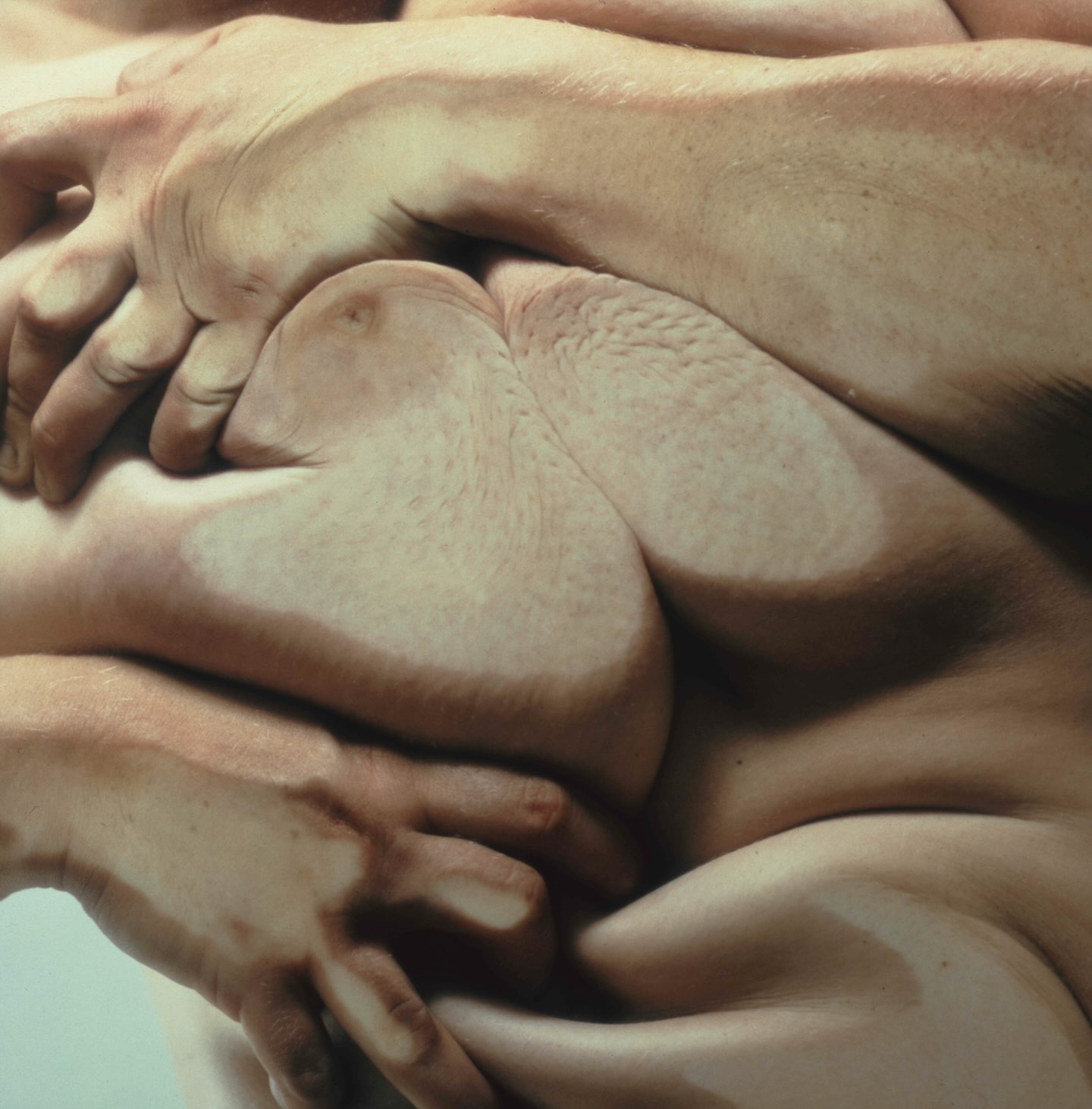
Perhaps this is why images that seem to ask nothing of us remain so seductive. They promise a world before constant self-surveillance, a scene in which we might briefly forget our own representation. But that promise is also an illusion. Those photographs were made to be seen, selected, published and desired. Their apparent carelessness does not place them outside the spectacle. If anything, it reveals how convincingly the spectacle can learn to look like something else.
Fashion understood long ago that we do not desire only what presents itself as perfect. We are also drawn to what seems to slip away, what refuses to give itself entirely, what retains an inaccessible part. An averted gaze, an ambiguous gesture, a presence that seems to exceed the frame. Perhaps the appeal of an image lies not in what it reveals, but in what it makes us imagine remains beyond it.
Every image establishes a distance between the person looking and the thing being looked at. It can attempt to erase that distance, simulate absolute closeness or turn the distance itself into part of its seduction. But it never disappears completely. The person in the photograph continues to exist beyond it, beyond our reach, indifferent to the stories we invent about them.
Perhaps that is where the real pleasure of looking resides: not in the fantasy of possessing what we see, but in the moment an image awakens desire without satisfying it. In the possibility of moving closer to something and discovering that, even after looking for a long time, it remains a mystery.

THE PLEASURE OF LOOKING
Sobre el deseo de mirar y la intimidad convertida en imagen.
Hay algo extraño en el placer de mirar a alguien que no sabe que está siendo observado. No necesariamente por lo que vemos, sino por la sensación de haber accedido a algo que no nos pertenece. Un gesto involuntario, un cuerpo distraído, una expresión que todavía no se ha convertido en pose. La promesa de una intimidad sin testigos, incluso cuando hay alguien detrás de la cámara.
Mirar es una de las formas más discretas del deseo. No exige contacto, no requiere reciprocidad.
Podemos detenernos frente a un rostro, recorrer un cuerpo, inventar una historia a partir de un instante del que desconocemos casi todo. La mirada se acerca, pero permanece a salvo. Tiene la capacidad de producir intimidad sin tener que asumir las consecuencias de la cercanía.
La fotografía de moda ha sabido explotar esta contradicción. Durante décadas, construyó imágenes destinadas a seducir mediante la perfección: cuerpos controlados, escenarios calculados, gestos que parecían existir únicamente para ser contemplados. Pero hubo un momento en que otra clase de imagen comenzó a disputar ese lenguaje. La piel dejó de ser una superficie impecable; los interiores se volvieron demasiado reales; los cuerpos aparecieron cansados, distraídos, vulnerables. La fotografía parecía haber llegado antes que la pose, capturando algo que todavía no había aprendido a representarse a sí mismo.
La exposición The 90s: Art and Fashion, en Tate Britain, reúne parte de esa transformación. Curada por Edward Enninful, presenta fotografías de Corinne Day, Juergen Teller y otros nombres que contribuyeron a cambiar el lenguaje visual de la moda, junto con obras de artistas como Sarah Lucas, Steve McQueen y Damien Hirst. La muestra propone una lectura de una década en la que las fronteras entre arte, moda y cultura popular se volvieron cada vez más porosas. La ropa dejó de funcionar únicamente como objeto de deseo: se convirtió también en un lenguaje para hablar del cuerpo, la identidad, el artificio y los límites de lo aceptable.

Pero quizás lo que sobrevive de aquellas imágenes no sea solamente su estética. Es la incertidumbre que producen. No siempre sabemos si estamos frente a una escena íntima o a una intimidad cuidadosamente construida; si alguien se está mostrando o si, por un instante, ha dejado de hacerlo. La espontaneidad puede ser una puesta en escena tan sofisticada como cualquier otra. Lo imperfecto también puede convertirse en estilo. Y una imagen que parece escapar de las convenciones puede terminar definiendo las convenciones de una nueva época.
La cuestión, entonces, no es si aquellas fotografías eran más auténticas que las imágenes que producimos hoy. Esa comparación sería demasiado fácil. La autenticidad nunca fue una propiedad visible, algo que pudiera reconocerse con certeza en la textura de una imagen, en el desenfoque o en la ausencia aparente de artificio. A veces, lo que interpretamos como verdad es simplemente una estética que aprendimos a reconocer como tal.
Lo interesante es otra cosa: la relación que establecemos con aquello que miramos. Una fotografía puede hacernos sentir que conocemos a alguien sin que exista ninguna posibilidad real de conocerlo. Puede convertir la vulnerabilidad ajena en espectáculo, la intimidad en mercancía y la distancia en una forma de posesión. No necesitamos tocar aquello que deseamos; a veces alcanza con poder volver a mirarlo.
Y, sin embargo, mirar no es necesariamente un acto de dominio. También puede ser una forma de atención. Detenerse en un rostro, observar lo que no ocupa el centro de la imagen, permanecer frente a algo sin exigirle una explicación inmediata. La diferencia quizás no esté en la imagen misma, sino en la posición desde la que la miramos: si buscamos confirmar una idea que ya teníamos o si estamos dispuestos a encontrarnos con algo que no podemos terminar de descifrar.

Hay otra transformación, más silenciosa, que vuelve esta cuestión especialmente contemporánea. Nos hemos acostumbrado a observar nuestra propia existencia desde afuera. No solo vivimos una experiencia: también registramos cómo se ve, cómo podría ser contada, qué imagen dejará de nosotros. El yo se convierte simultáneamente en protagonista, espectador y editor. Incluso en la intimidad puede aparecer una mirada imaginaria, una conciencia de cómo seríamos vistos si alguien pudiera observarnos.
Tal vez por eso las imágenes que parecen no pedir nada a cambio resultan tan seductoras. Prometen un mundo anterior a la vigilancia constante, una escena en la que todavía sería posible olvidar por un momento la propia representación. Pero esa promesa también es una ilusión: aquellas fotografías fueron hechas para ser vistas, seleccionadas, publicadas y deseadas. Su aparente descuido no las vuelve ajenas al espectáculo. En todo caso, demuestra hasta qué punto el espectáculo puede aprender a parecer otra cosa.
Lo que la moda entendió hace tiempo es que no deseamos únicamente aquello que se nos presenta como perfecto. También deseamos lo que parece escaparse, lo que no se entrega por completo, aquello que conserva una zona inaccesible. Una mirada que no se sostiene, un gesto ambiguo, una presencia que parece exceder el encuadre. Quizás el atractivo de una imagen no resida en lo que revela, sino en lo que nos hace imaginar que permanece fuera de ella.
Al final, toda imagen establece una distancia entre quien mira y aquello que es mirado. Puede intentar borrarla, simular una cercanía absoluta o convertirla en parte de su seducción. Pero nunca desaparece del todo. La persona fotografiada sigue existiendo más allá de la fotografía, fuera de nuestro alcance, indiferente a las historias que inventamos sobre ella.
Y quizás ahí resida el verdadero placer de mirar: no en la fantasía de poseer lo que vemos, sino en el instante en que una imagen despierta nuestro deseo sin llegar a satisfacerlo. La posibilidad de acercarnos a algo y descubrir que, incluso después de haberlo mirado durante mucho tiempo, sigue siendo un misterio.

Cover image: Corinne Day, Rose lying on orange sofa 56 Brewer St Soho London, 1992 © Corinne Day Estate. Courtesy of the Corinne Day Estate.