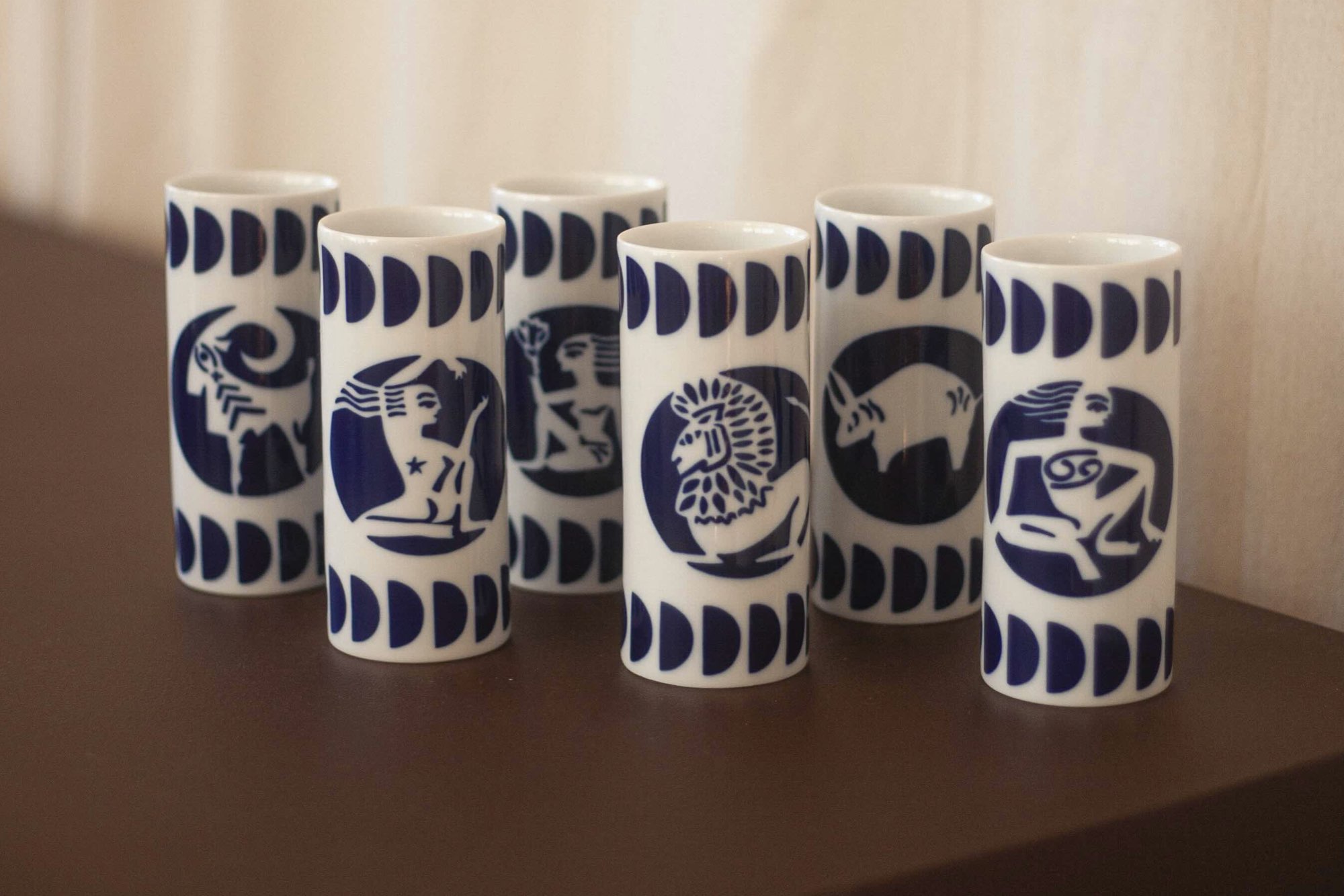

In a present saturated with images and digital experiences, VISO Project proposes the opposite: to touch, to feel, to keep. Founded by Francesco Sourigues and David Vivirido, the project emerges from an editorial background and expands into collectible design, where each object not only serves a function but builds a lasting emotional bond.
Some trajectories seem to change direction, but in reality they deepen the same underlying obsession. In the case of VISO Project, the shift from editorial, fashion, and consulting into object design was not a rupture, but an almost inevitable continuation. At their New York showroom in DUMBO, Regia was welcomed by the founders to discuss this evolution.

“It was a natural transition,” they explain. For years, their work focused on printed publications, a format that already implied an intimate relationship with the physical — with paper, with materiality. But it was in Barcelona, around 2016, where this interest expanded: the opening of a concept store marked the beginning of a broader exploration into objects, art, and decoration.
That moment also revealed a gap. There was a lack of pieces that combined singularity, aesthetic coherence, and true craftsmanship. From there came VISO’s first capsule: a porcelain plate, a mohair blanket, and an abstract tapestry.
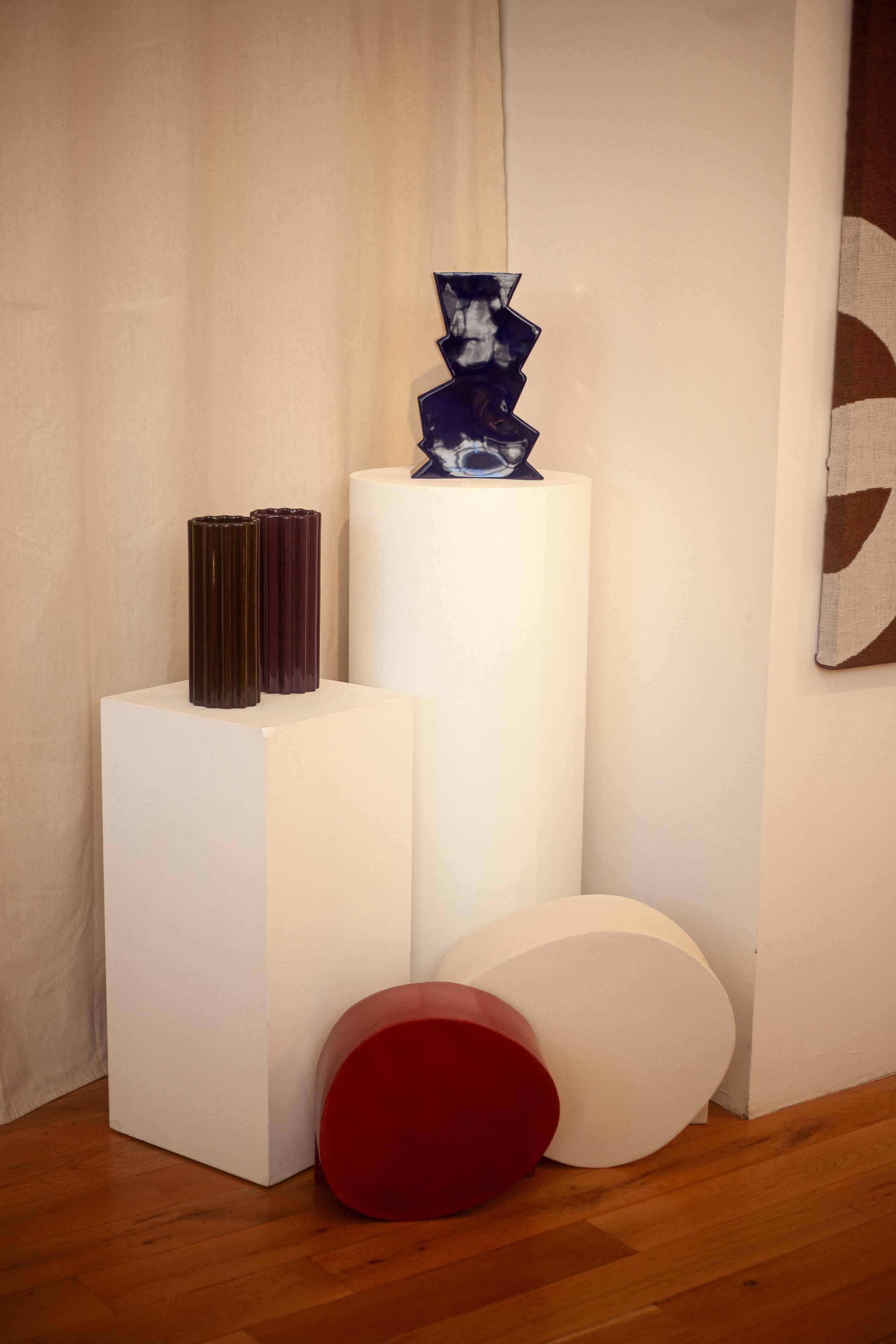
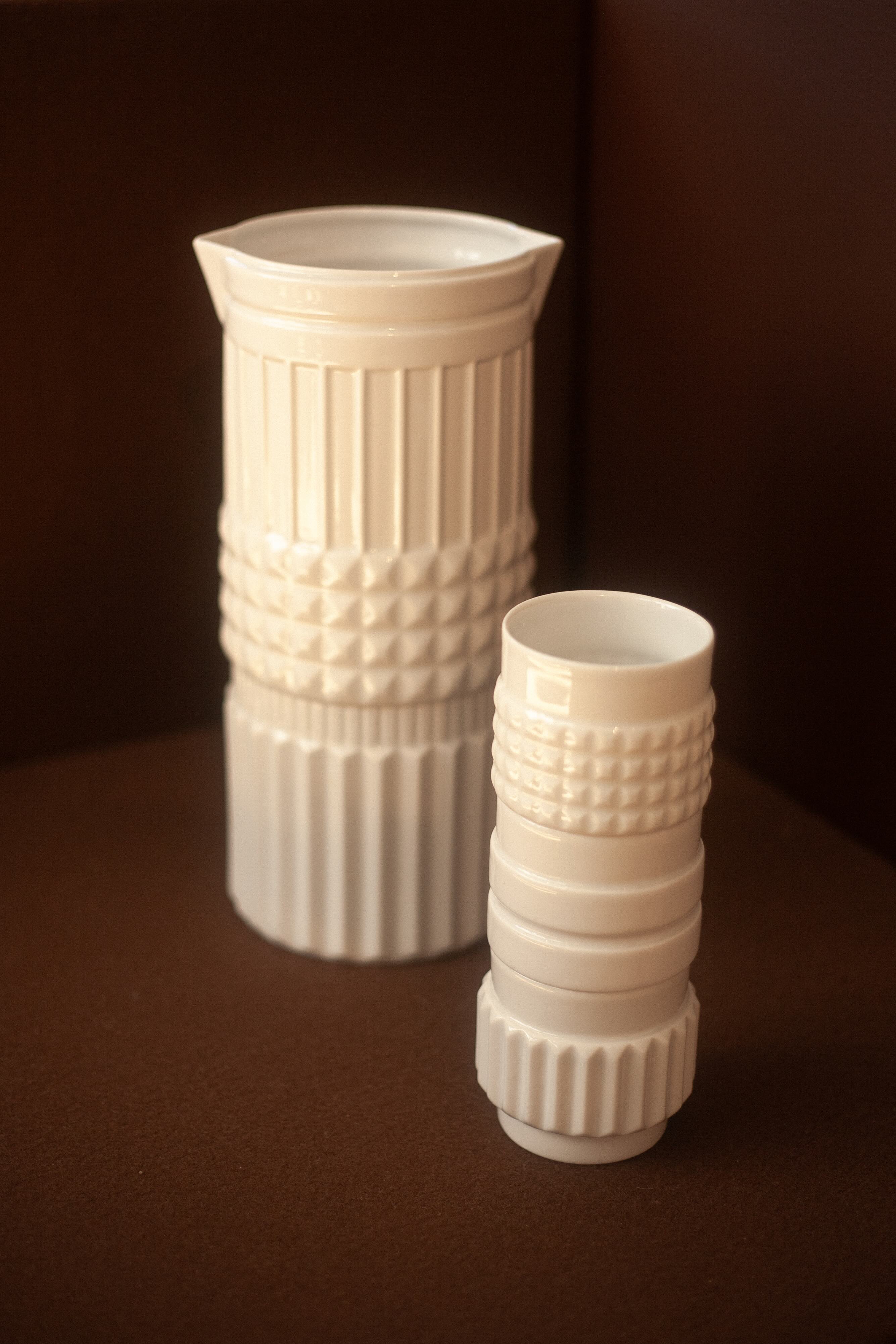
At VISO, tactility is not a detail — it is the core. Textiles, glass, porcelain, surfaces. In an increasingly dematerialized world, their pieces act as anchors. “Objects offer us a connection to something tangible and lasting,” they say. And this idea resonates more than ever: in contrast to saturation, a new sensitivity is emerging — one that values quality over quantity, the unique over the mass-produced.
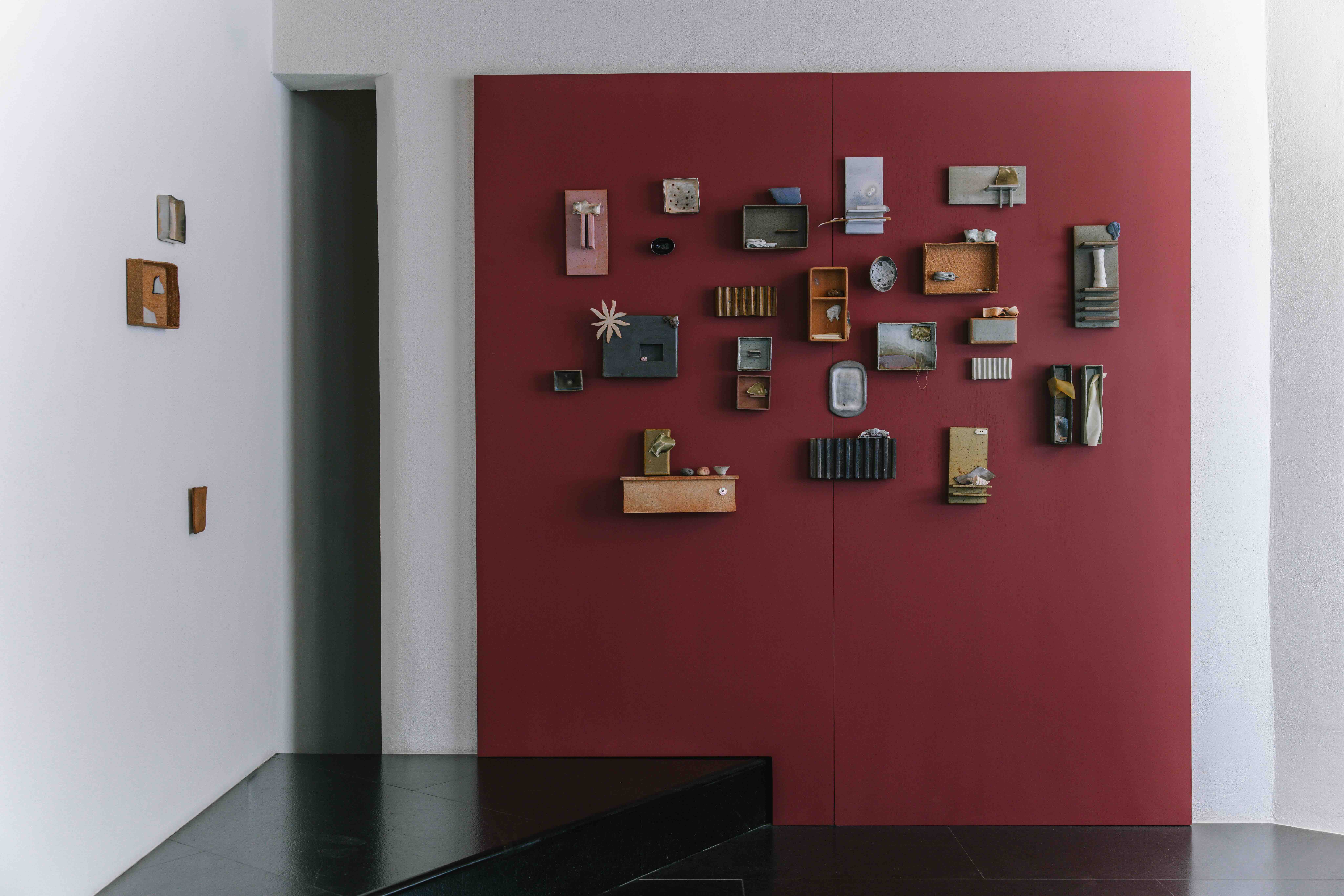
Yet this singularity is not built in isolation, but through collaboration. VISO works with artisans from different parts of the world, recovering techniques and finishes at risk of disappearing. The key lies in dialogue: integrating traditional knowledge with a contemporary perspective without erasing its origin.
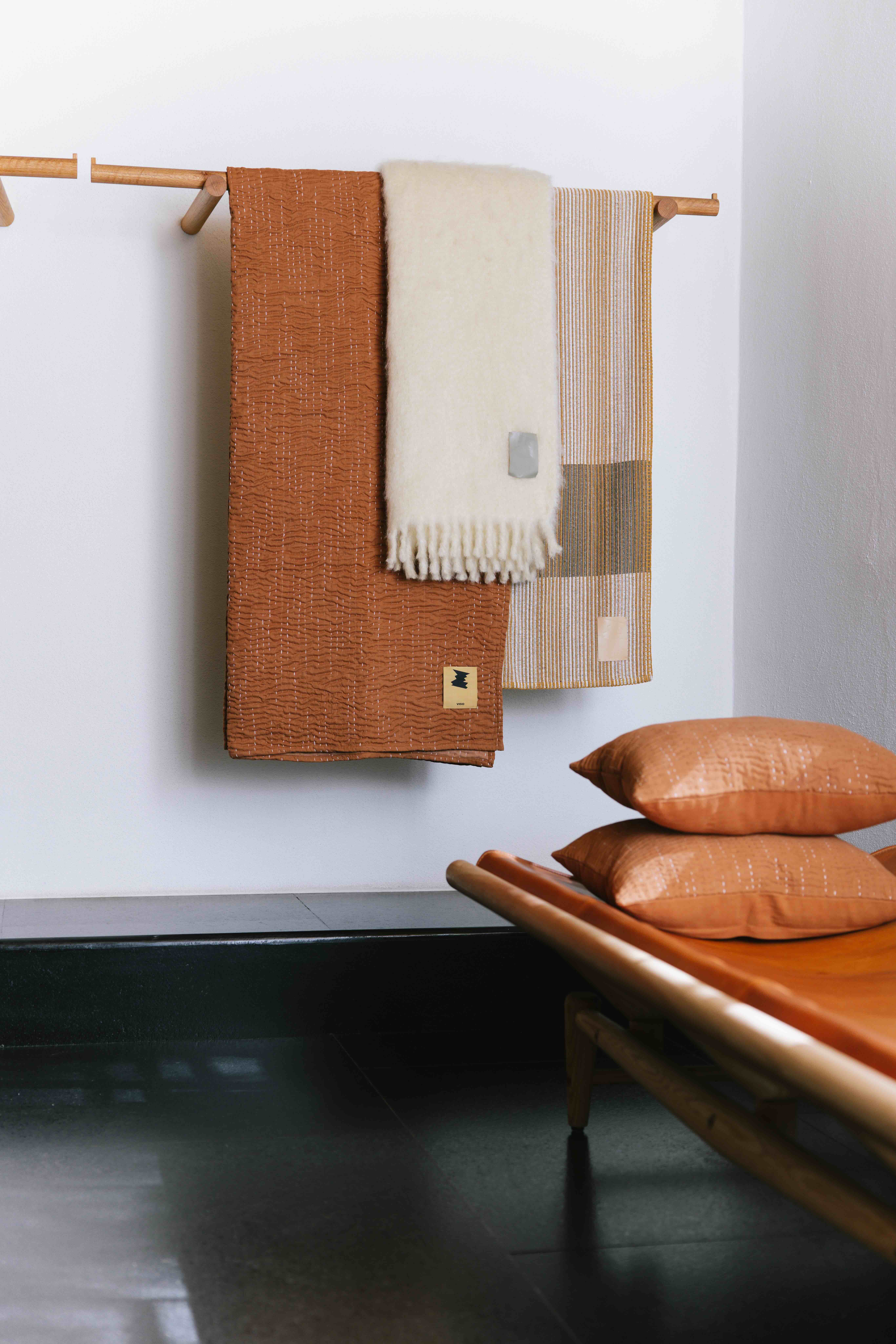
This raises an interesting tension: how do you reconcile exclusivity with the inherently communal nature of craftsmanship? The answer lies in the process. Rather than imposing a vision, VISO builds alongside artisans, creating objects that respect both technique and the history behind each piece.
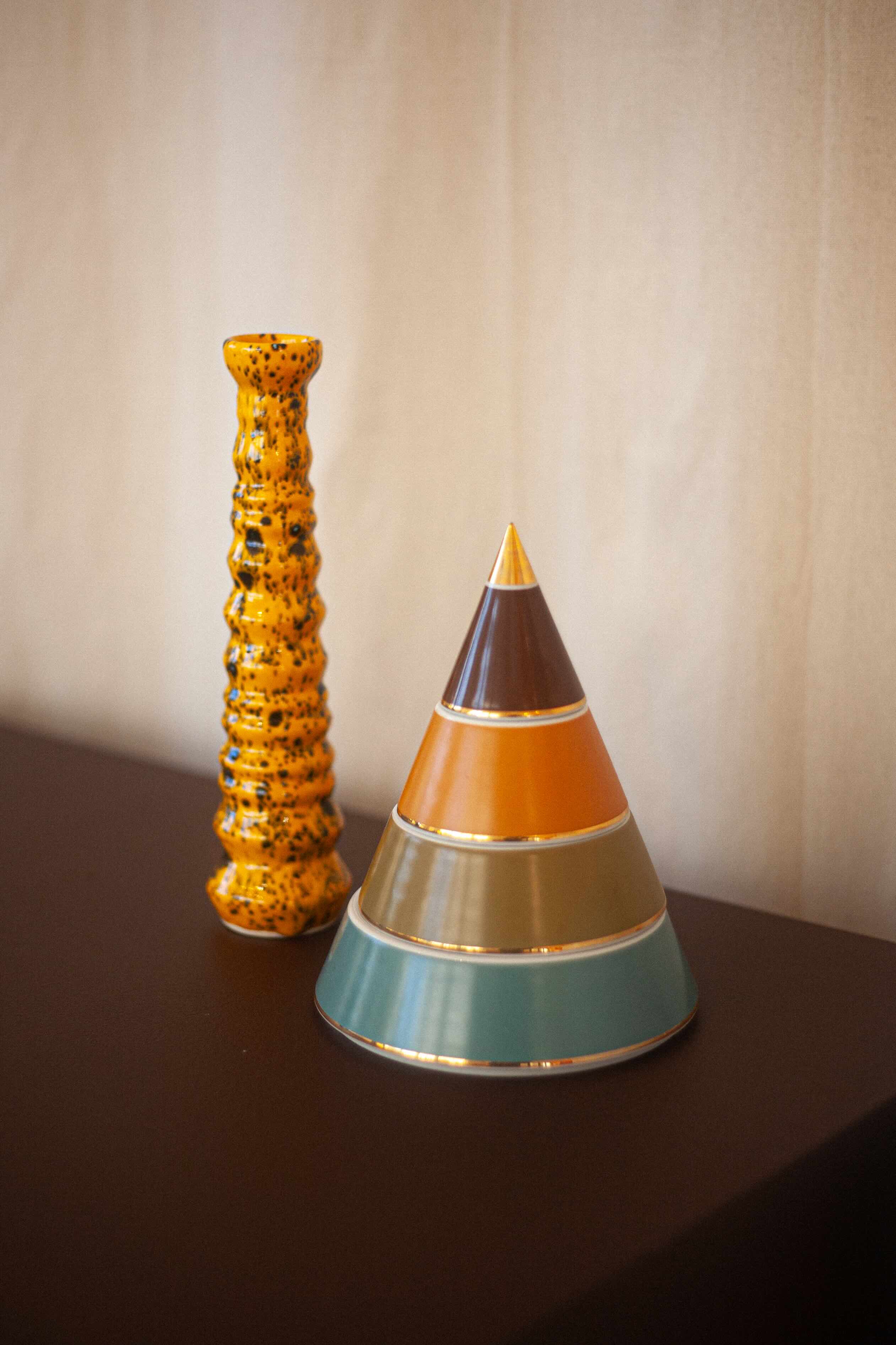
Intervening in tradition also means not romanticizing it. It requires understanding its limits, its timing, its material conditions. “The challenge is finding balance,” they explain — avoiding both idealization and disconnection. Even in pricing: far from marketing strategies, each object reflects the real cost of its development. An “honest price” that speaks to the true value of the work.
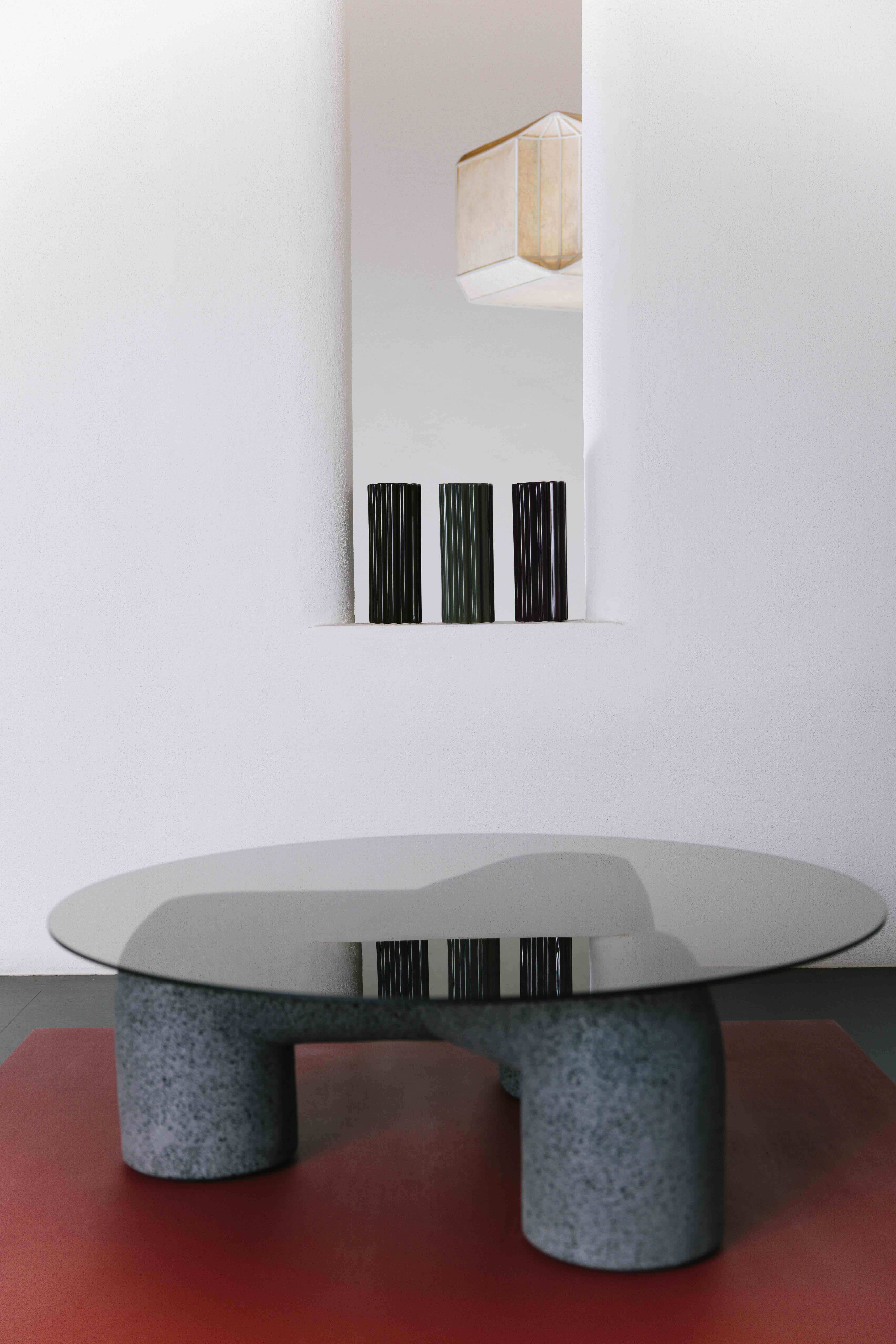
In this sense, VISO also redefines sustainability. It’s not only about materials or processes, but about emotional longevity. In a world where “it feels like we already have everything,” the only objects worth creating are those that build a connection — objects to keep, to pass on, to live with.
Because perhaps now more than ever, what is truly radical is not to produce more — but to produce something worth keeping.
VISO Project: cuando el objeto vuelve a tener alma
En un presente saturado de imágenes y experiencias digitales, VISO Project propone lo contrario: volver a tocar, a sentir, a conservar. Fundado por David Vivirido y Francesco Sourigues, el proyecto nace del universo editorial pero se expande hacia el diseño coleccionable, donde cada objeto no solo cumple una función, sino que construye un vínculo emocional duradero.
Hay trayectorias que parecen cambiar de rumbo, pero en realidad solo profundizan una misma obsesión. En el caso de VISO Project, el paso del mundo editorial, la moda y la consultoría hacia el diseño de objetos no fue una ruptura, sino una continuidad casi inevitable. En su showroom de Nueva York, en DUMBO, Regia fue recibida por sus fundadores para conversar sobre este recorrido.
“Fue una transición natural”, explican. Durante años, su trabajo estuvo centrado en publicaciones impresas, un formato que ya implicaba una relación íntima con lo físico, con el papel, con la materialidad. Pero fue en Barcelona, alrededor de 2016, donde ese interés se expandió: la apertura de un concept store marcó el inicio de una exploración más amplia en torno al objeto, el arte y la decoración.
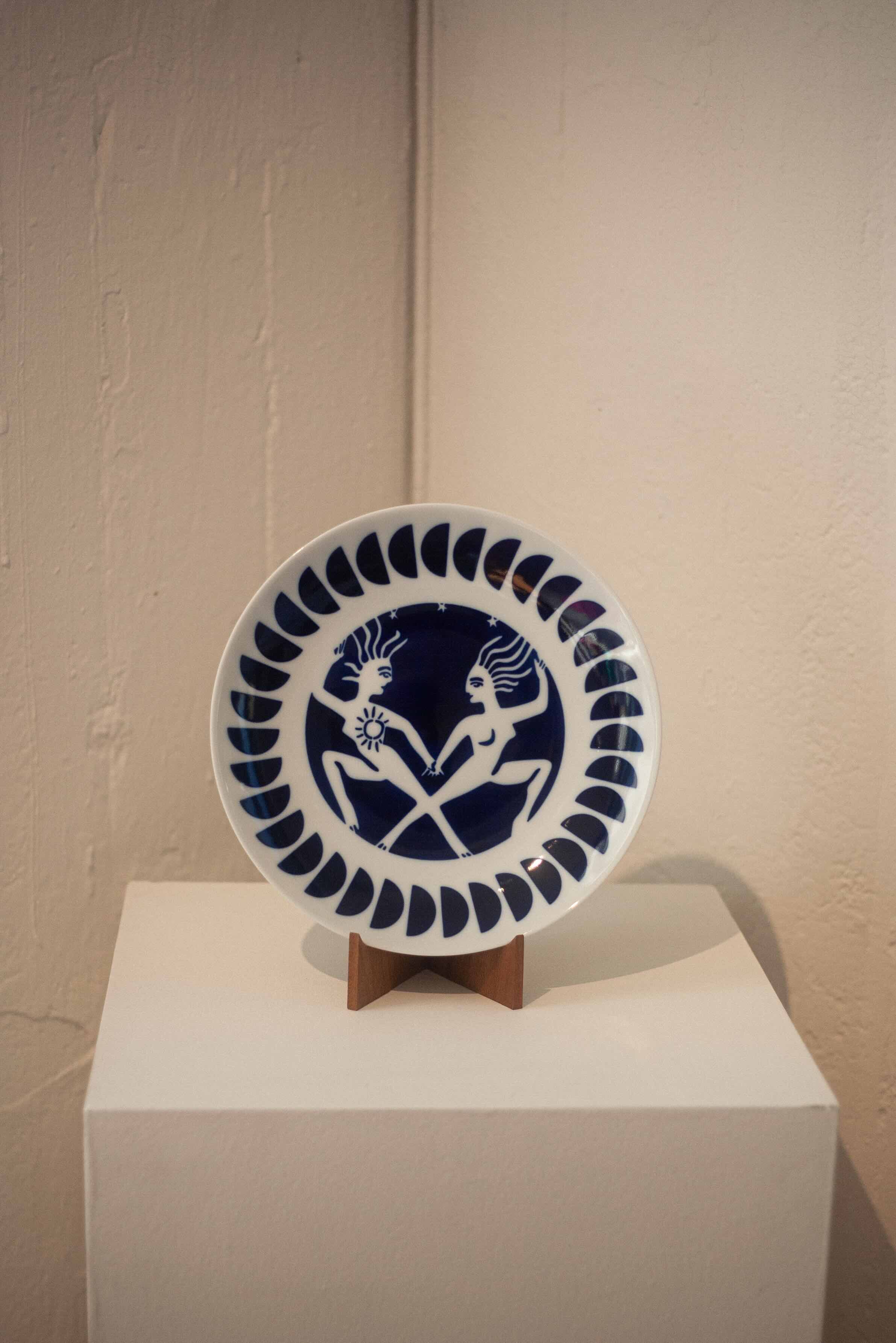
Ese momento también reveló un vacío. Faltaban piezas que combinaran singularidad, coherencia estética y verdadero trabajo artesanal. Así surgió la primera cápsula de VISO: un plato de porcelana, una manta de mohair y un tapiz abstracto.
En VISO, lo táctil no es un detalle: es el núcleo. Textiles, vidrio, porcelana, superficies. En un mundo cada vez más desmaterializado, sus piezas funcionan como anclas. “Los objetos nos ofrecen conexión con algo tangible y duradero”, dicen. Y esa idea parece resonar cada vez más: frente a la saturación, aparece una nueva sensibilidad que privilegia la calidad sobre la cantidad, lo único sobre lo masivo.
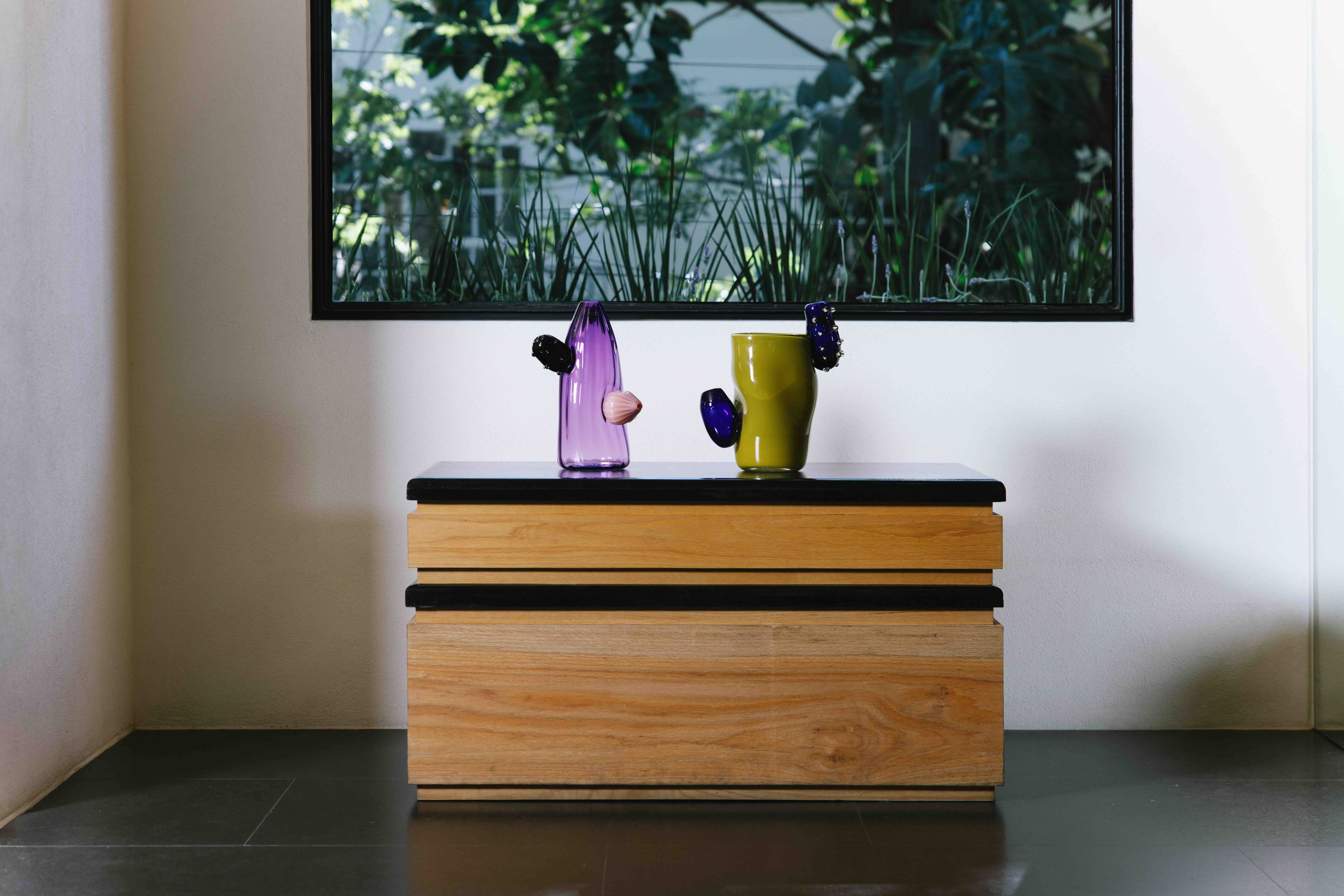
Pero esa singularidad no se construye desde el aislamiento, sino desde la colaboración. VISO trabaja con artesanos de distintas partes del mundo, recuperando técnicas y acabados en riesgo de desaparecer. La clave está en el diálogo: integrar saberes tradicionales con una mirada contemporánea sin borrar su origen.
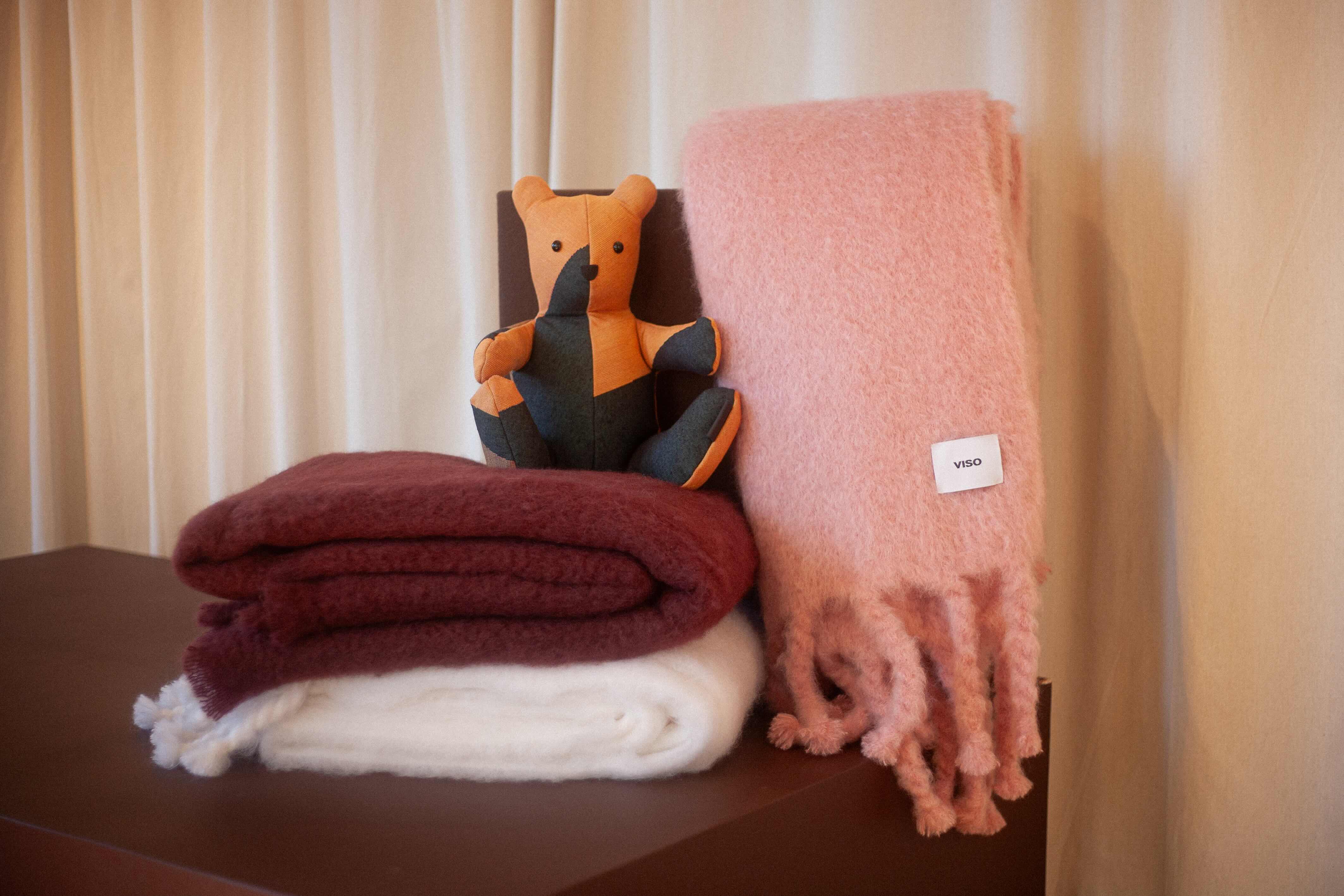
Esto plantea una tensión interesante: ¿cómo sostener la idea de exclusividad sin desvirtuar el espíritu comunitario de la artesanía? La respuesta está en el proceso. Más que imponer una visión, VISO construye junto a los artesanos, generando objetos que respetan tanto la técnica como la historia detrás de cada pieza.
Intervenir la tradición tampoco es romantizarla. Implica entender sus límites, sus tiempos, sus condiciones materiales. “El reto es encontrar equilibrio”, explican. Evitar tanto la idealización como la desconexión. Incluso en el precio: lejos de estrategias de marketing, cada objeto responde al costo real de su desarrollo. Un “precio honesto” que refleja el verdadero valor del trabajo.
En ese sentido, VISO también redefine la idea de sostenibilidad. No se trata solo de materiales o procesos, sino de duración emocional. En un mundo donde “parece que ya lo tenemos todo”, solo tiene sentido crear aquello que genera vínculo. Objetos que se conservan, que se heredan, que acompañan.
Porque quizás, hoy más que nunca, lo verdaderamente radical no es producir más. Es producir algo que merezca quedarse.
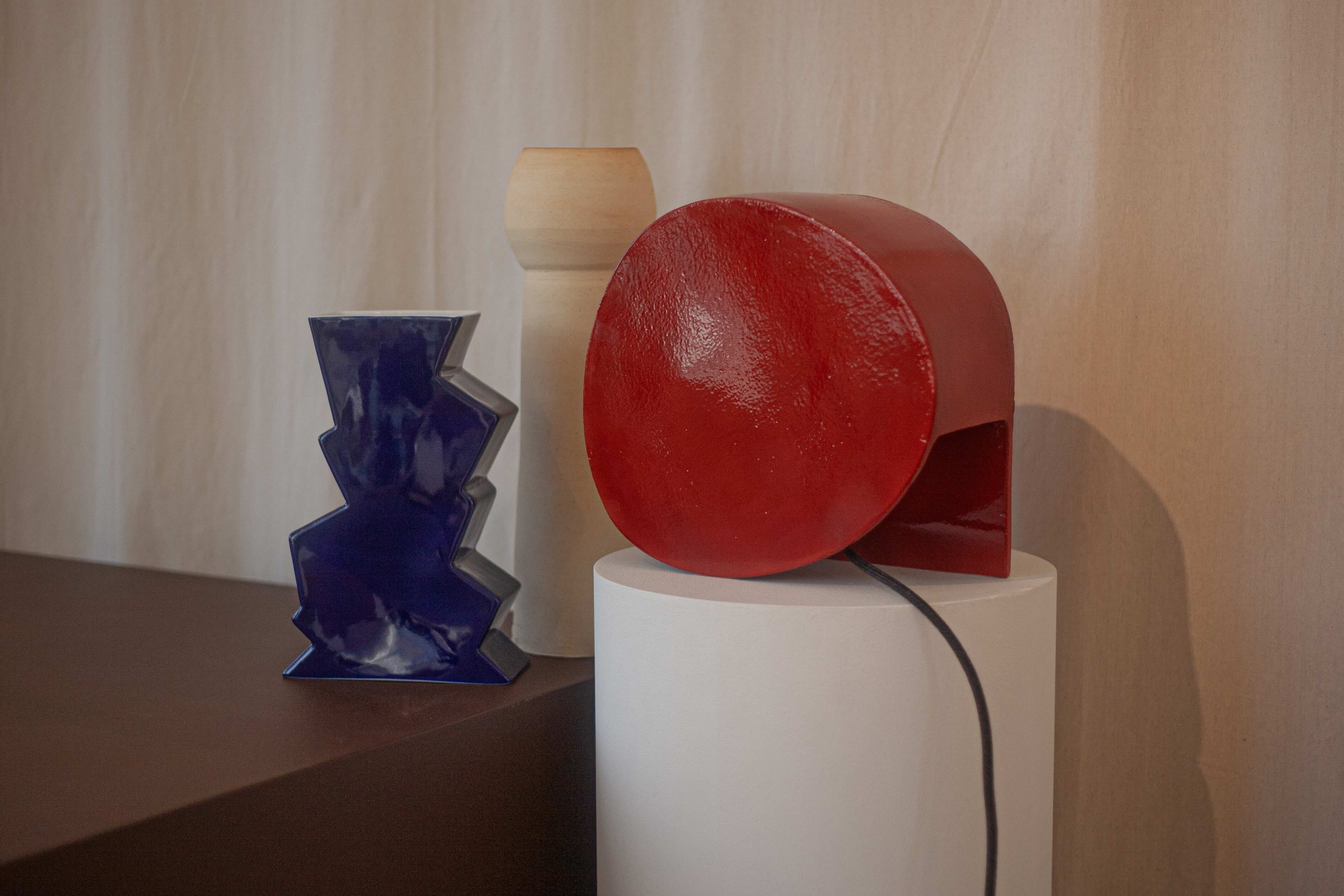
Photos Dumbo Showroom: Giulia Ricciotti
Photos Zona Maco + portrait: Courtesy of VISO